
 Drink





Suzhou
High-speed train, about 30 minutes · about 30 min
A town of scholars and poets, known for its classical gardens and so many canals that it is called the Venice of the East. It is also a hi-tech manufacturing centre.
The story of the city
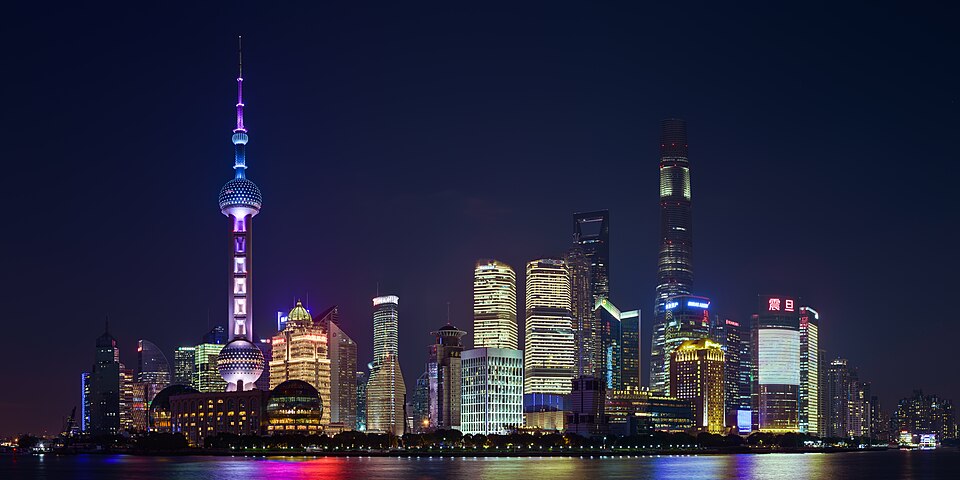
Shanghai is China's main finance city and one of the five largest cities on Earth. The Huangpu River cuts it in two: Puxi on the west bank, with the old foreign banks of the Bund, and Pudong on the east, a skyscraper-filled financial district that has been growing since about 1990.
Suzhou and Hangzhou are each under an hour from Shanghai by fast train, so both work as a day trip from the city.
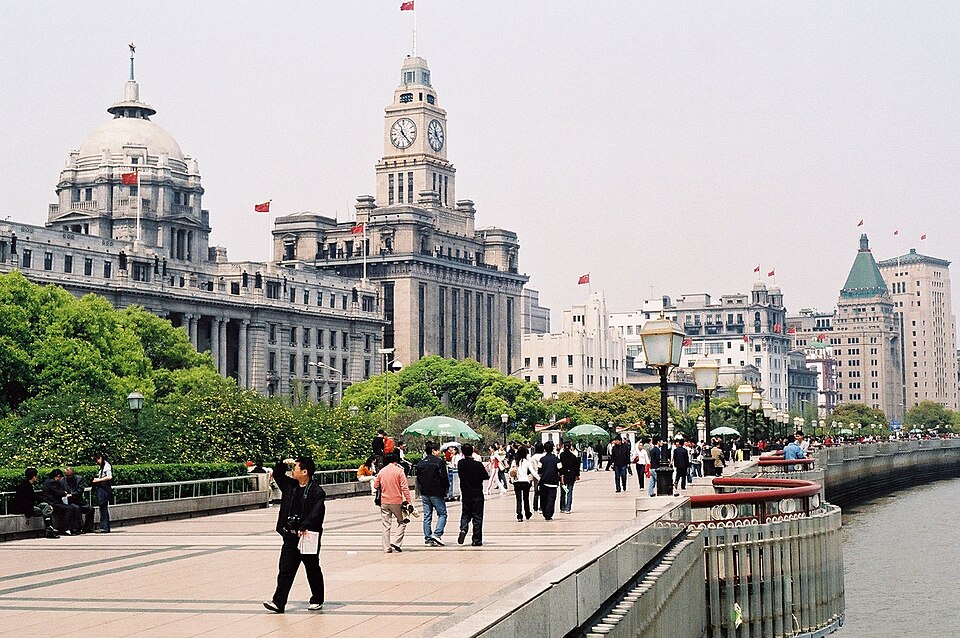 SightThe BundA row of banks, consulates and trading houses faces the river, with the HSBC Building in neoclassical style and the Art Deco Sassoon House, today inside the Peace Hotel, among them. Look across the water as well: the Pudong skyline opposite has gone up since about 1990.4.8(157.2K)
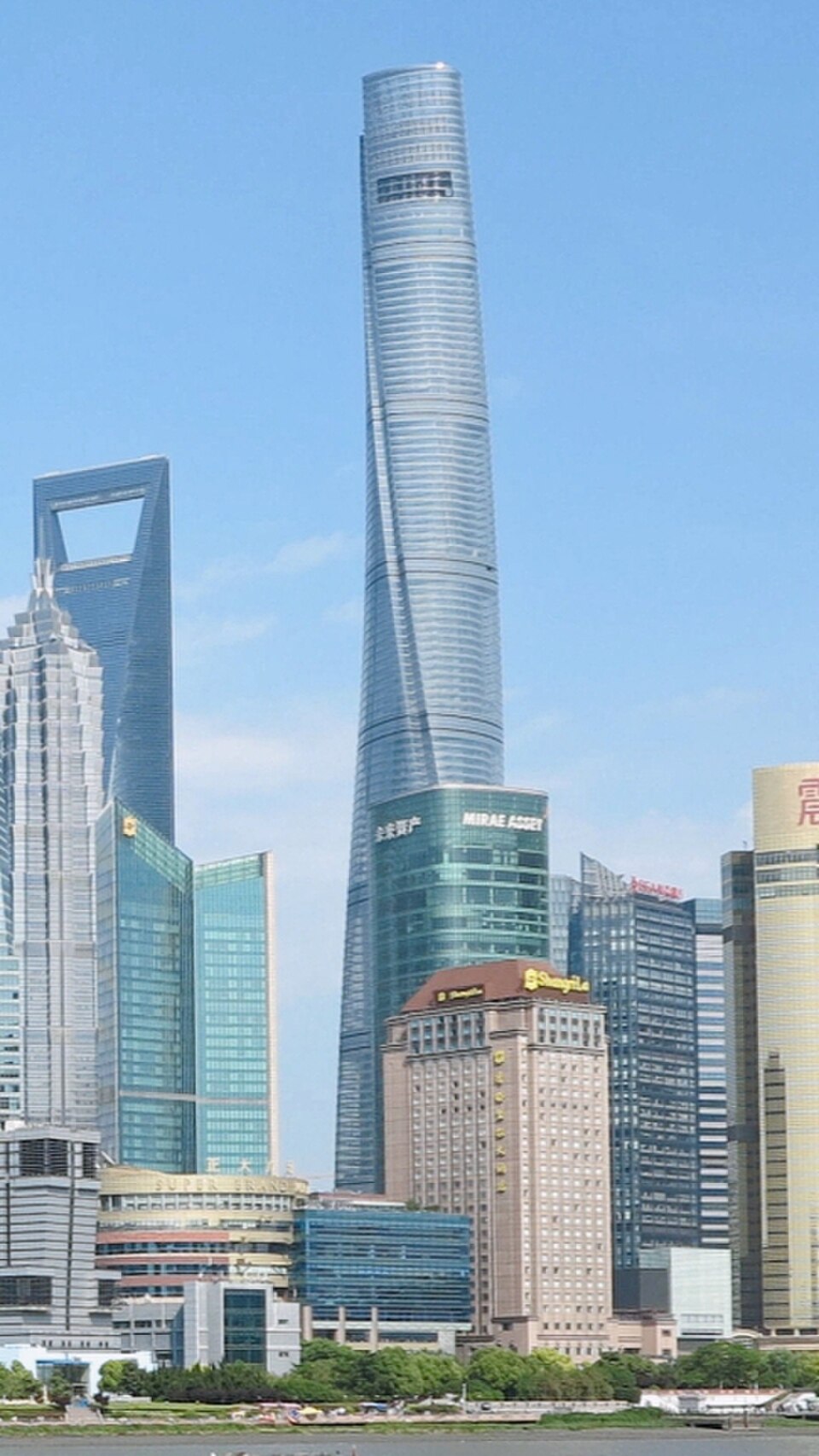 SightShanghai TowerAt 632 metres and 128 floors it is the tallest building in China, finished in 2015 and built as nine twisted sections stacked on top of each other. The Oriental Pearl Tower, 468 metres, stands nearby at the northern tip of Lujiazui. Footbridges connect much of the district on foot.4.6(3.4K)
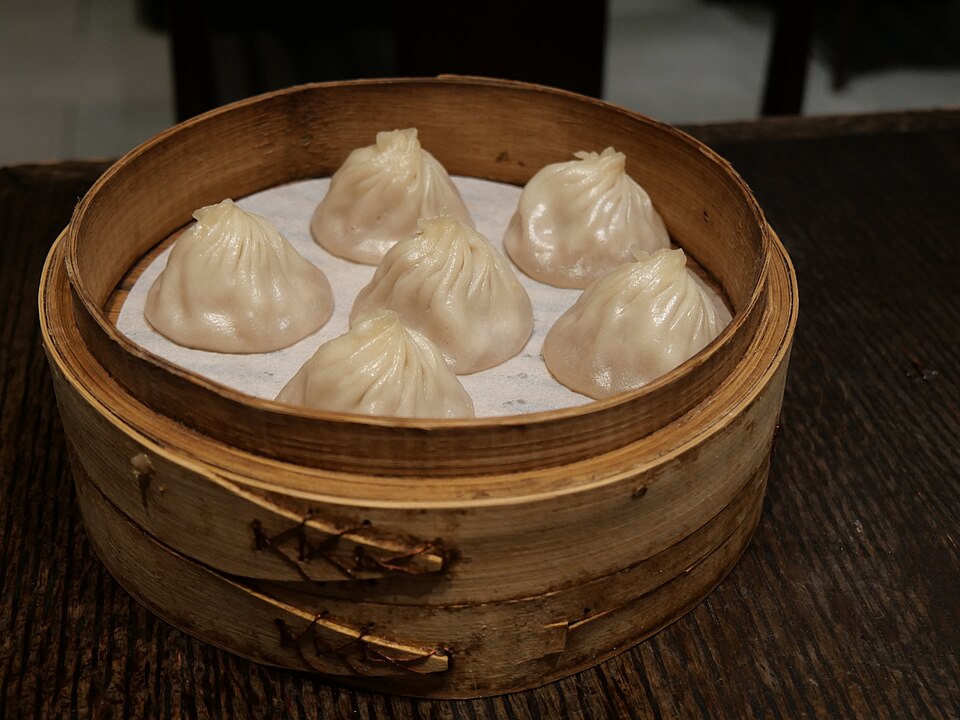 FoodXiaolongbaoSmall steamed buns with a thin skin, a dab of pork (sometimes crab) and hot broth inside. Bite a small hole first, sip the soup, then dip the bun in dark vinegar. Let them cool a little: the broth is boiling.
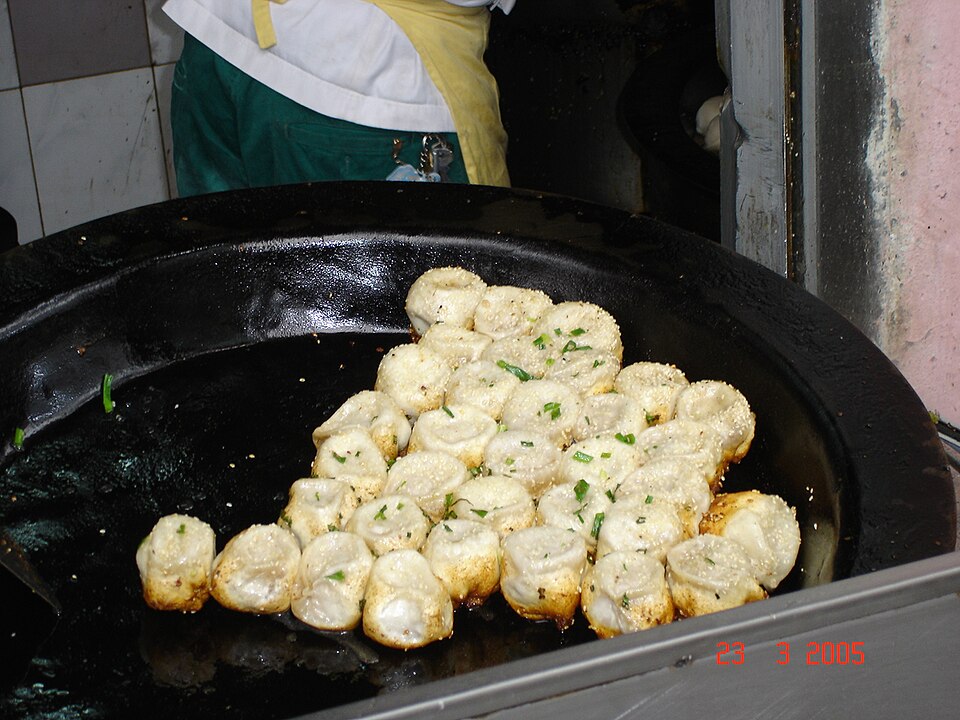 FoodShengjianThe pan-fried cousin of xiaolongbao: a bigger bun on raised dough, with a crisp brown base and soup inside. Shanghai people eat it for breakfast. It squirts as easily as its steamed relative, so bite carefully.
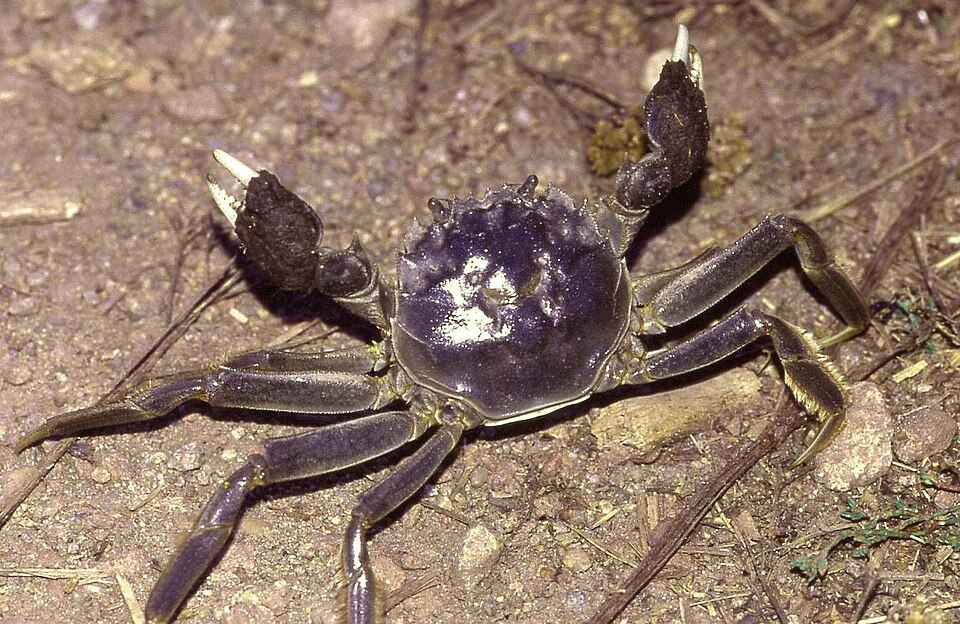 FoodHairy crabA small freshwater crab whose roe goes into noodles, tofu, meatballs and even the soup dumplings. The season runs from October to December. Pair it with Shaoxing wine.
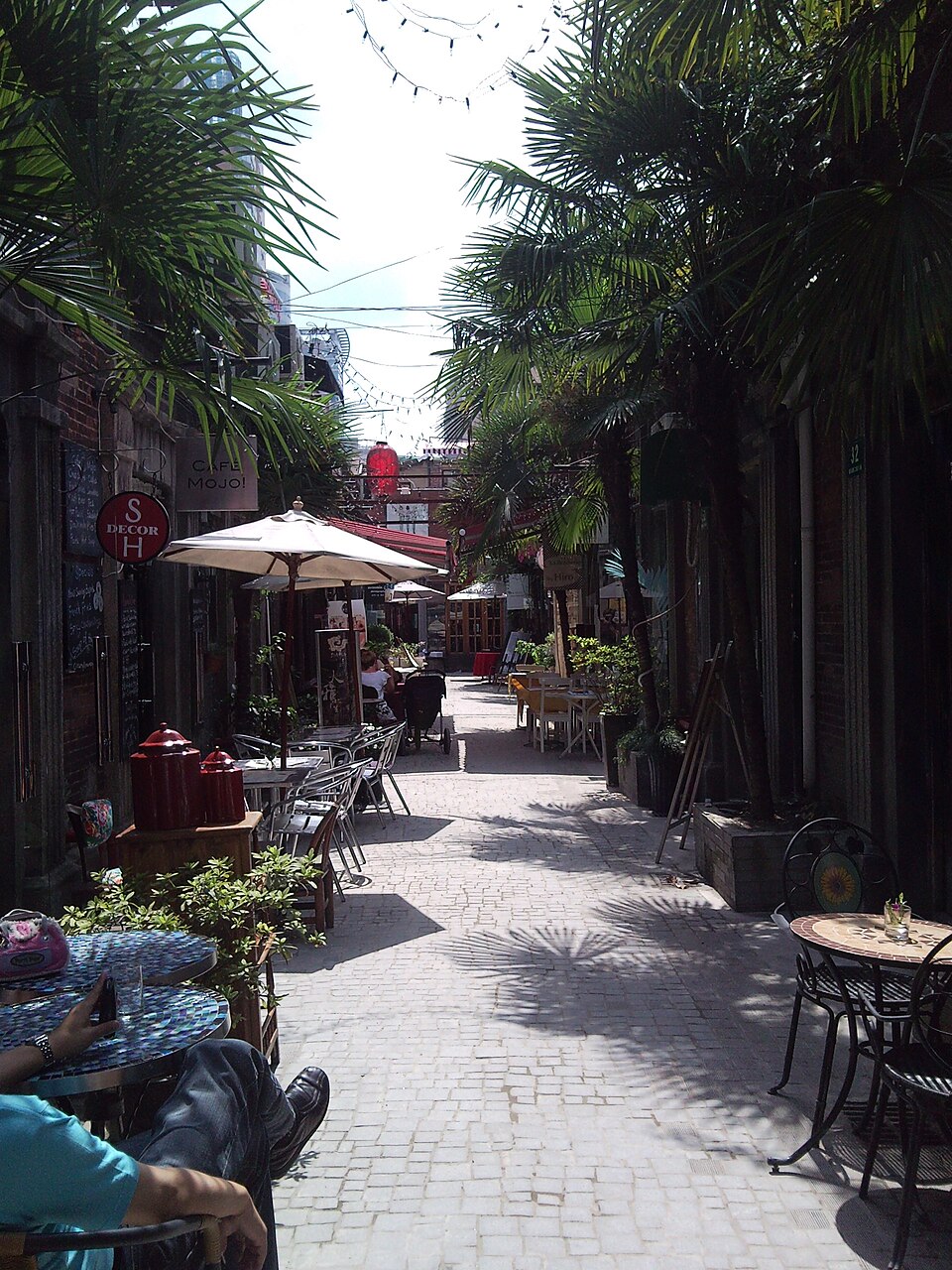 SightShikumen and TianzifangShikumen houses are grey brick, two or three storeys high, with a heavy wooden door set in a stone arch. Tianzifang is a redeveloped area of them, given over to arts, crafts and boutiques, while Xintiandi leans toward brand names and entertainment.4.3(2.1K)
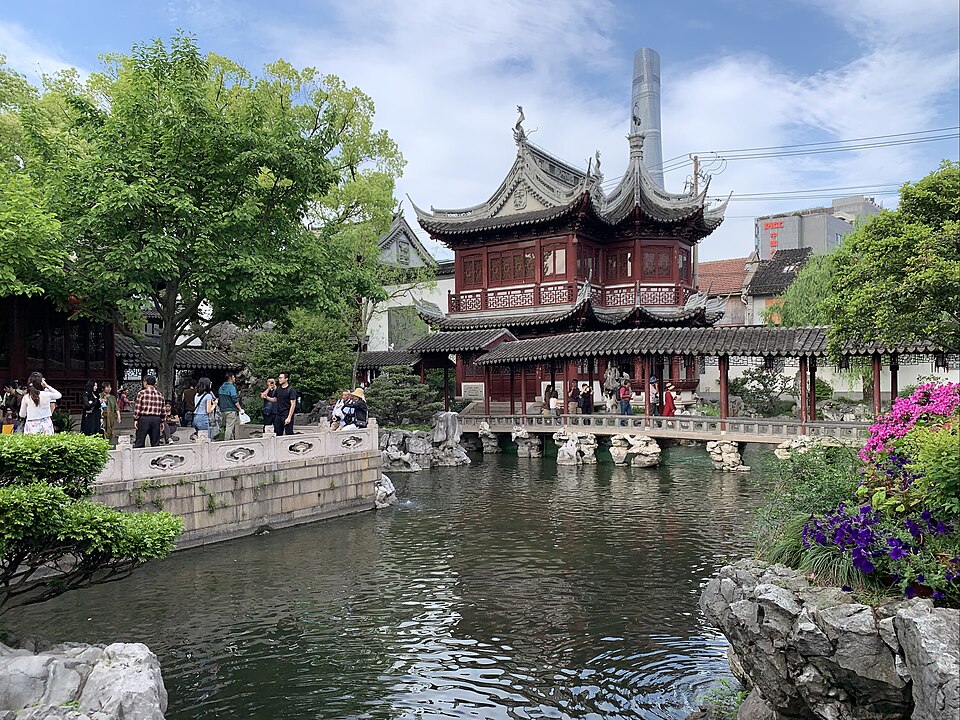 SightYu GardenA Jiangnan-style garden at the centre of the old Chinese city, which goes back about a thousand years. It survives amid heavy redevelopment in what is now a major tourist area, so expect crowds.4.7(57.1K)
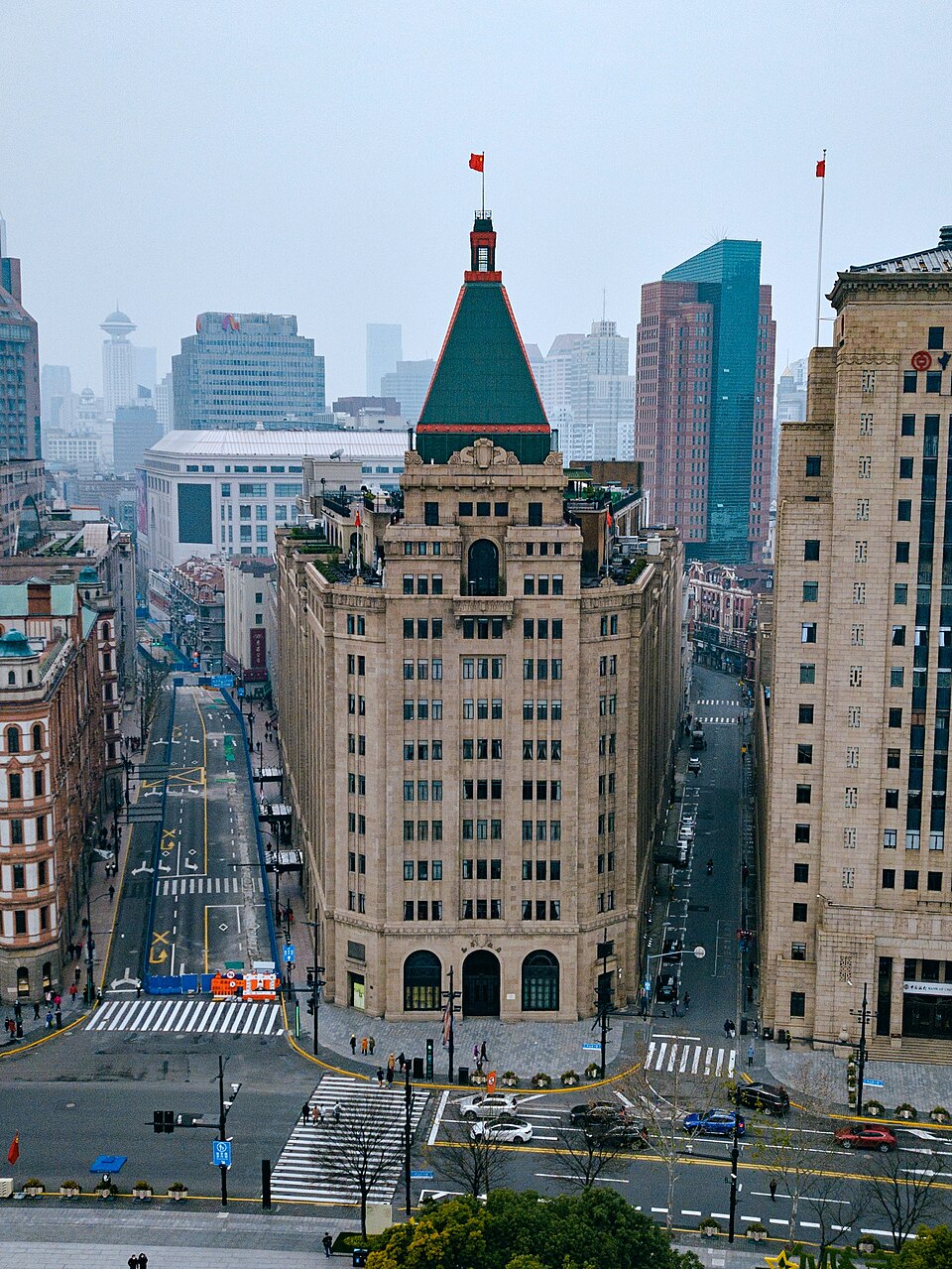 SightArt Deco buildingsA building boom in the 1920s and 1930s left Shanghai with one of the largest Art Deco collections anywhere. The Hungarian-Slovak architect László Hudec designed the Park Hotel and the Grand Theatre. Clement Palmer and Arthur Turner did the Peace Hotel and Broadway Mansions.
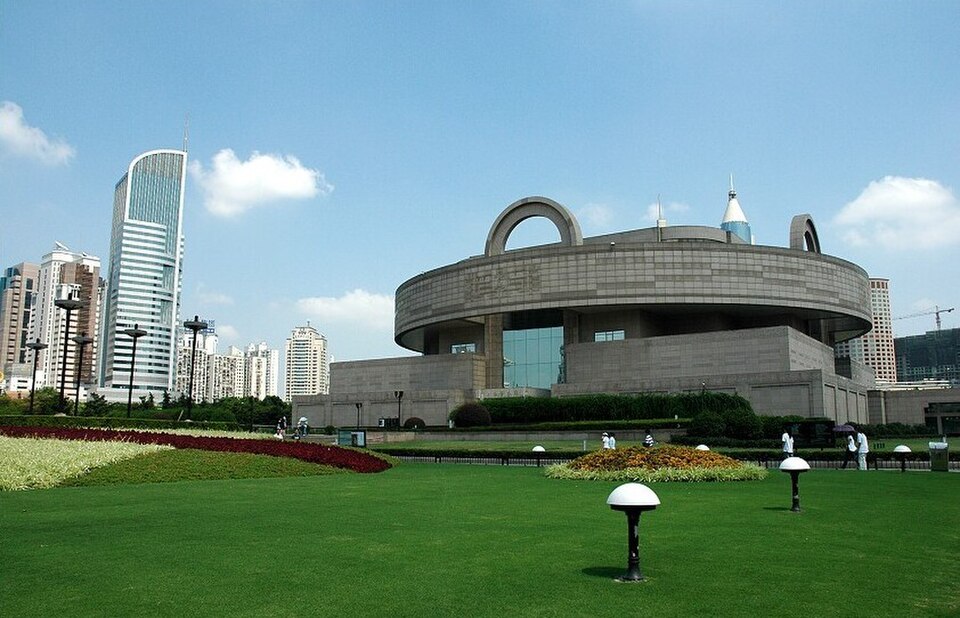 SightShanghai MuseumIts ancient Chinese bronzes are the biggest draw, and its historical artefacts rank among the best anywhere. It sits on People's Square, with the Urban Planning Museum on the opposite side.4.3(1.3K)
Fishermen here once made a fish tool called the hù, and the word became the city's one-letter nickname. The big early port was Qinglong, founded in 746. By 1074 a market town stood on the site of the present city, and a wall went up in 1554 to keep out pirates. A City God Temple followed in 1602, an honour usually kept for prefectural capitals, which scholars read as a sign that the town already mattered.
Two Qing decisions made it a port: in 1684 the Kangxi Emperor lifted a ban on ocean-going ships, and in 1732 the Qianlong Emperor gave Shanghai the customs office for Jiangsu's foreign trade. Even so, Hangzhou, Suzhou and Nanjing remained the important cities of the region. That changed with the First Opium War. The Treaty of Nanking in 1842 made Shanghai one of five treaty ports.
Britain, France and the United States set up their own districts outside the walled Chinese town. In 1863 the British and American settlements merged into the International Settlement, while the French kept a concession of their own to the south and southwest. Eight nations held concessions at one point or another. You can still read that map: People's Park was once a racecourse at the edge of the British area.
The 1920s and 1930s were the peak. The Old City walls came down in 1912 because they blocked growth, and the Chinese Communist Party held its founding in the French Concession in July 1921. In 1927 Shanghai became a municipality with its own Chinese mayor, and by 1932 it was the fifth-largest city in the world, with 70,000 foreigners. Nearly 20,000 White Russians arrived, then about 30,000 Jewish refugees from Europe in the 1930s. The same years also belonged to the triads, who largely ruled the streets.
War ended it. Japanese forces attacked in January 1932 and left Zhabei in ruins. After the Battle of Shanghai in 1937 they occupied everything outside the foreign concessions, and took those too in December 1941. Jewish refugees were confined to a ghetto in Hongkou, where one synagogue is now a museum. The concessions were gone after the war, and the People's Liberation Army marched in and took the city in May 1949. Most foreign firms moved to Hong Kong, but Shanghai stayed an industrial centre.
In 1990 Deng Xiaoping let Shanghai begin economic reforms, and Pudong was opened to foreign capital. Within twenty years the east bank went from a mostly rural area to a district with more skyscrapers than New York. That is Lujiazui, and it is why finance offices that once sat on the Bund now sit across the river. In 2022 a lockdown from 5 April to 1 June left food short across the city.
The local language is Shanghainese, a Wu dialect that Mandarin speakers cannot follow. Mandarin has gradually taken over: many migrants from elsewhere in China use it to talk to each other, and fluency among young speakers has weakened. Campaigns to keep Shanghainese alive have started inside the city. The city has a saying that it is heaven for the rich and hell for the poor, and rents rank with the highest anywhere.
Local cooking leans sweet. Sugar, especially with soy sauce, is an important ingredient, and pork is the default meat. Breakfast has its own canon, nicknamed the four heavenly kings: a flatbread, a fried dough stick, a rice roll wrapped around the dough stick, and soy milk. Even borscht has a local version, which drops the beetroot and uses tomato paste.
Three local stage forms are worth knowing. Huju, or Shanghai opera, tells stories of the daily lives of ordinary people, unlike grand classical Chinese opera. Pingtan is narrative singing that came from Suzhou, and many locals listen to it in teahouses over tea. Yue opera is the most popular opera style in Shanghai, and as of 2012 the Shanghai Yue Opera House was one of the city's well-known troupes. The Grand Theatre and Oriental Art Center are among the notable theatres.
China's first fiction feature, Orphan Rescues Grandfather, was made here in 1923, and Shanghai stayed the centre of Chinese filmmaking into the 1930s. Many of its filmmakers and actors went into exile during the war and after the Communist revolution, and helped build Hong Kong's film industry. Two art venues sit in converted industrial buildings: M50 is a former factory with dozens of studios, and the Power Station of Art is a former power plant. In 2019 the Centre Pompidou opened its first Chinese outpost at the West Bund.
Sport here is football, basketball and motor racing. Shanghai has two clubs in the Chinese Super League, and the Shanghai Sharks developed Yao Ming. Since 2004 the Chinese Grand Prix has been held at the Shanghai International Circuit. The Shanghai Cricket Club dates to 1858, and the city side played as the de facto Chinese national cricket team between 1866 and 1948.
Autumn is mild, and you can measure it. October averages a high of 23.5 °C and a low of 17.1 °C with 69.6 mm of rain, and November is 17.8 °C and 11.4 °C. The weather is warm and sunny, and it is also hairy crab season from October to December.
April runs 20.9 °C by day and 12.6 °C at night, and May reaches 25.8 °C. March is wetter, at 97.3 mm, and spring can bring long spells of grey, rainy weather. Hangzhou is popular in spring and autumn, so plan day trips for those months.
Summer is hard work. July has a 33.2 °C high and a 26.2 °C low, June and August get over 220 mm of rain, and temperatures often pass 35 °C with heavy humidity. Typhoons can arrive from July to September, but they are uncommon. Bring spare shirts or buy them here.
Winter is cold and damp rather than extreme: January averages 8.7 °C by day and 2.9 °C at night. Snow is rare, but wind and humidity make it feel colder than the numbers. Older buildings often have no heating, because the Mao-era rule only heated buildings north of the Yangtze. If you must go in winter, dress in layers and expect to be cold indoors.
Best months: Apr–May, Oct
The waterfront strip of former foreign banks, consulates and trading houses on the Puxi side, built in neoclassical, Art Deco and Gothic styles. Pudong's towers face it across the river.
A busy pedestrian-only strip running from the Bund to People's Park. Expect crowds rather than quiet.
The original walled Chinese town, around a thousand years old, now a major tourist area centred on Yu Garden. It also holds the Taoist Temple of the Town God and the Confucian temple, and some traditional teahouses survive here.
The old racecourse is now a large park, with the Shanghai Museum and the Urban Planning Museum on opposite sides of the square.
Shanghai's best area for boutiques, small galleries and good restaurants. Huaihai Road is its upmarket shopping street, and many locals choose it over Nanjing Road. Xintiandi is the polished corner: old shikumen houses turned into malls and bars. Look along Wukang Road and Hengshan Road, and in the Sinan Mansions.
An area of redeveloped lane houses with many galleries and studios. It is newer than Xintiandi and leans toward arts and crafts where Xintiandi leans toward brand names.
Jing'an Temple is a big Buddhist temple with its own metro stop, on Lines 2 and 7. The district is one of the two prime areas for skyscrapers, with Pudong. The Natural History Museum is in the district too.
A shopping and commuting hub at the centre of Xuhui District, with huge malls (many with electronics stores) and a metro interchange. St. Ignatius Cathedral, built by the French, stands nearby.
The financial district on the Pudong side, with the Oriental Pearl Tower and Shanghai Tower. Take a river tour, or go up to the observation deck of a skyscraper.
A district north of Suzhou Creek where many Jewish refugees settled in the 1930s. 1933 Shanghai, a former abattoir, now holds a theatre, shops, cafes and studios.
High-speed train, about 30 minutes · about 30 min
A town of scholars and poets, known for its classical gardens and so many canals that it is called the Venice of the East. It is also a hi-tech manufacturing centre.
High-speed train, about 45 minutes · about 45 min
One of China's top domestic destinations, with West Lake, a silk market and Buddhist caves. Spring and autumn are the popular seasons.
High-speed train, about 1.5 hours · about 1.5 h · worth a night
A good place for a Chinese history lesson: China's capital in several dynasties, and again for the Nationalists in the early 1900s. It has city walls, the Presidential Palace and the tombs of three prominent figures, and it is walkable.
Metro Line 17 from Hongqiao Railway Station, or bus
A water town at the western edge of the municipality, with canals and traditional-style bridges. Chinese residents and expats alike go there, and a few bars are run by expats.
Metro Line 9 to Qibao, then walk a block south
A smaller water town, closer to downtown than Zhujiajiao, with a higher share of tourists.
UK advice: No warnings
US advice: Level 2, exercise increased caution
Type A, C, I · 220 V
Bring an adapter unless your plugs are type A or C or I.
renminbi (CNY)€1 = 7.31 CNY · $1 = 6.67 CNY
Tipping: Tipping isn't practised in restaurants, taxis or hotels; a waiter may even chase you to return it
Shanghai Pudong International AirportPVG
Shanghai Hongqiao International AirportSHA
Traffic drives on the right.
SIM and eSIM: China Mobile, China Unicom, China Telecom
Country calling code +86.
Spoken officially: Putonghua








