
 Drink
 Food
 Sight
 Nature




Laoshan
Metro Line 4 to Dahedong, or bus 304 from the railway station then a taxi · about 30 min
Hike or visit the temples and the waterfall trail. The entry fee is 70 yuan.
The story of the city
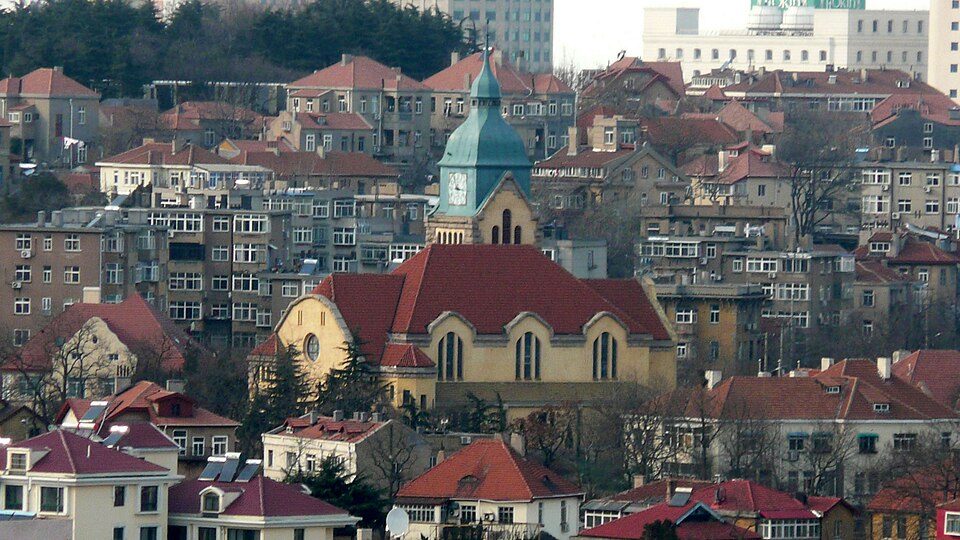
Qingdao is a clean, orderly port on the Yellow Sea that became a German leased colony in 1898 and still has an old town and a brewery to show for it. You come for fresh draft beer, seafood, a long seafront with city beaches, and a mountain a bus ride east. It suits walkers and beer drinkers, and anyone who wants a big Chinese city without swarming markets and traffic chaos.
The seafront walk alone runs about 40 km, and Laoshan is a separate trip east of the centre.
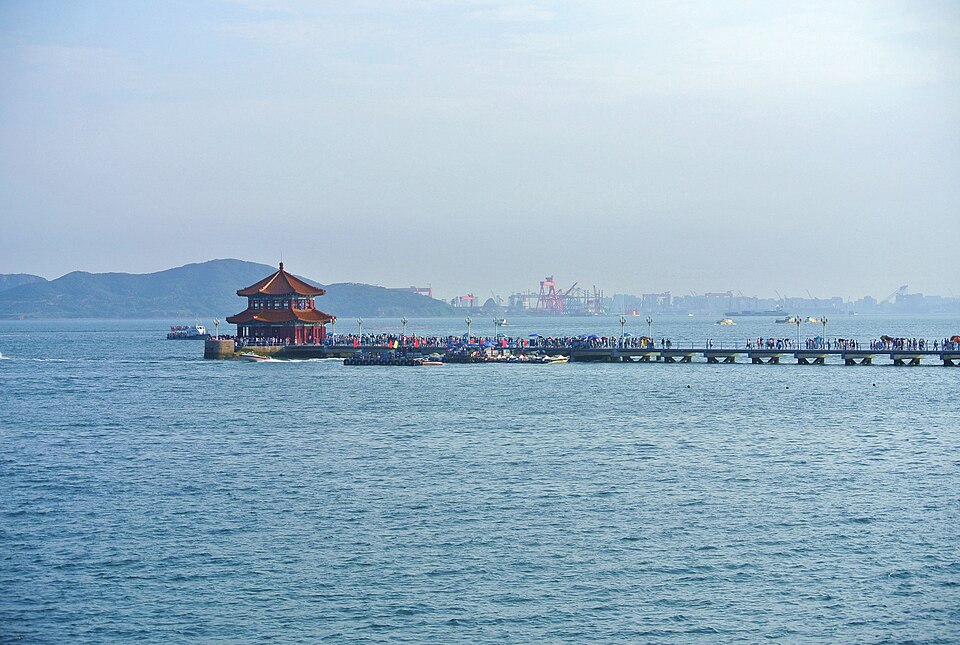 SightZhanqiao PierThe pier is one of the best-known landmarks in the city. The pavilion at its end, built in 1931, is the logo of Tsingtao beer. It is busiest early in the morning and around sunset, so expect company then.4.7(10.9K)
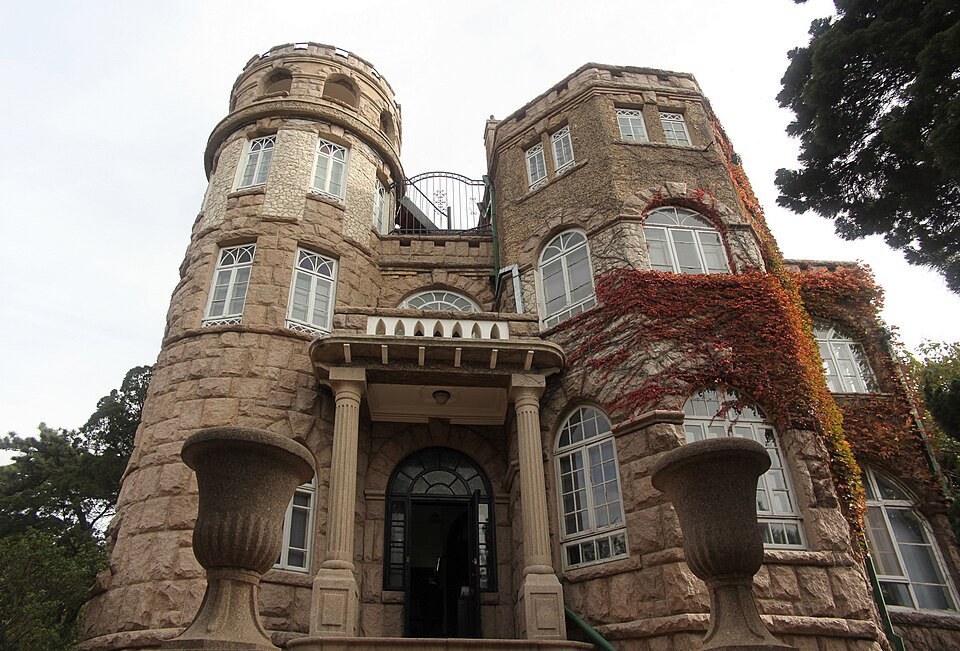 SightBadaguanA scenic area founded in the 1930s, covering more than 70 hectares. It is where the city's description of red tiles, green trees and blue sea fits most closely.4.5(8.3K)
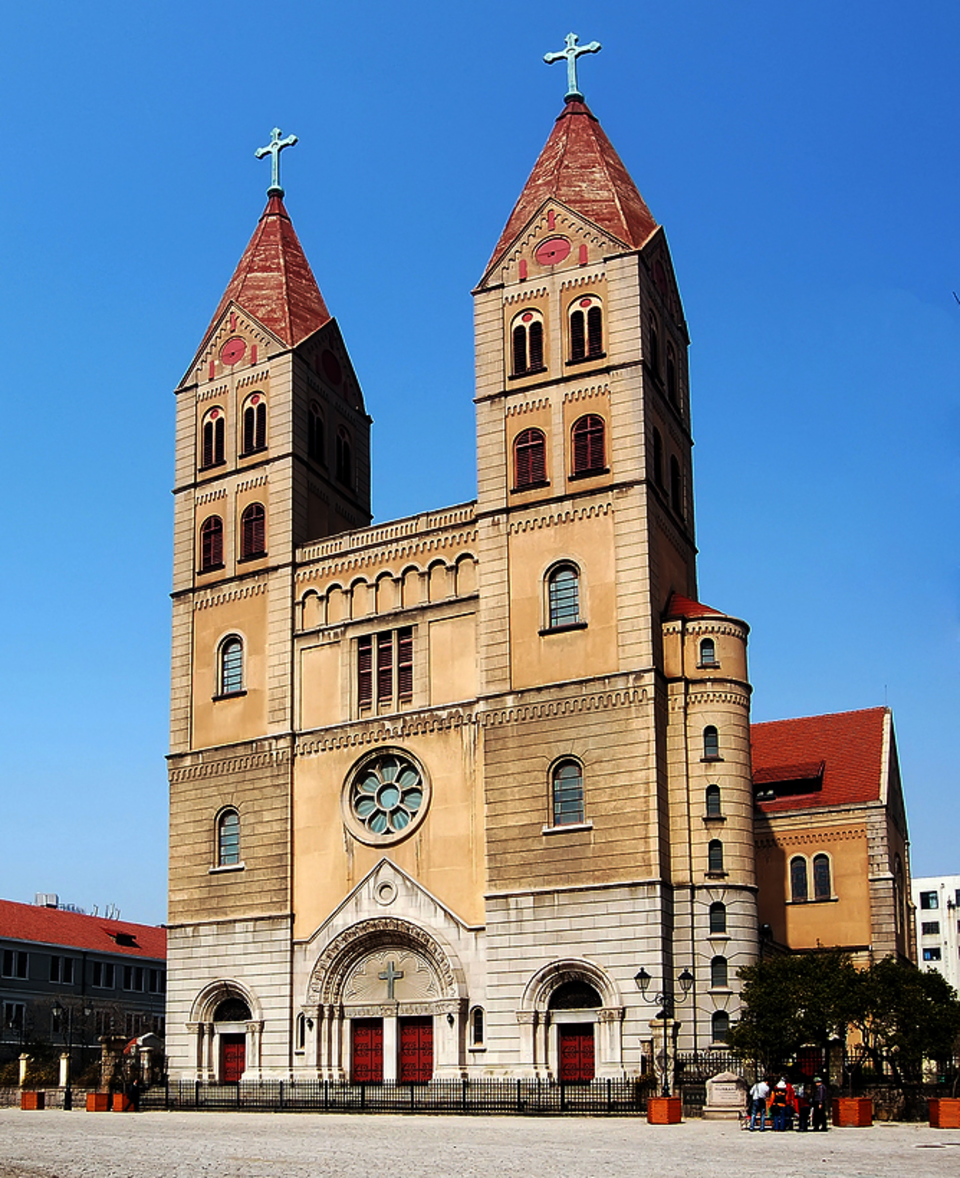 SightSt. Michael's CathedralA twin-spired church by the German architect Alfred Fräbel, finished in 1934. It is a notable example of the Neo-Romanesque style the city is known for, and it is still used for Sunday masses.4.4(185)
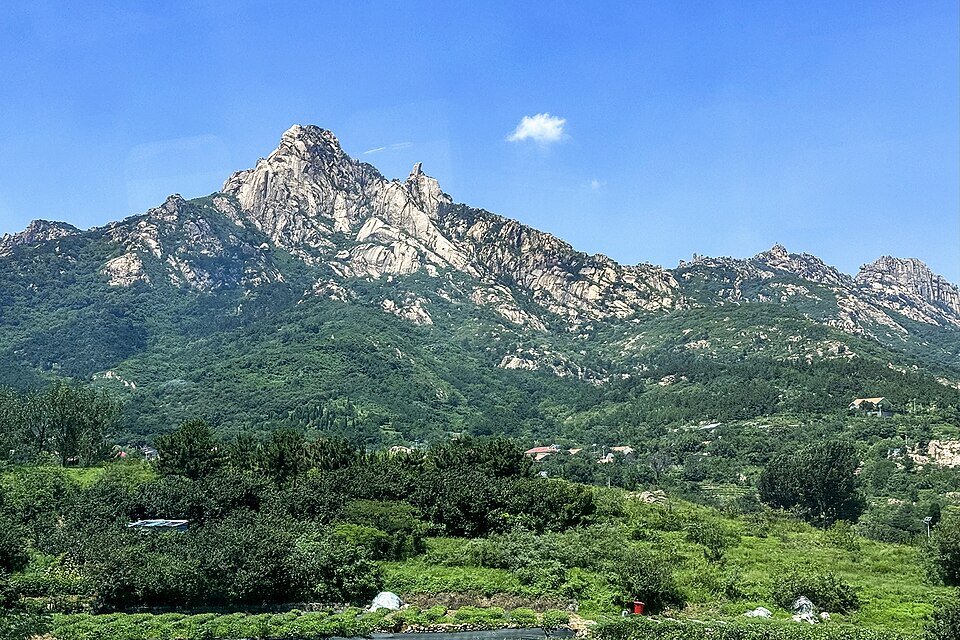 NatureLaoshanA Taoist mountain about 40 km east of the centre, with temples and a stone-paved trail to a waterfall and tea house. Great Purity Palace is the Taoist retreat on it.4.7(26.5K)ExperienceThe seafront walkA path of about 40 km links the old pier, Little Qingdao, Badaguan, the beaches and May Fourth Square. The middle stretch, from the pier to May Fourth Square, is the most popular and about 12 km long. You do not need the whole thing: pick a section.
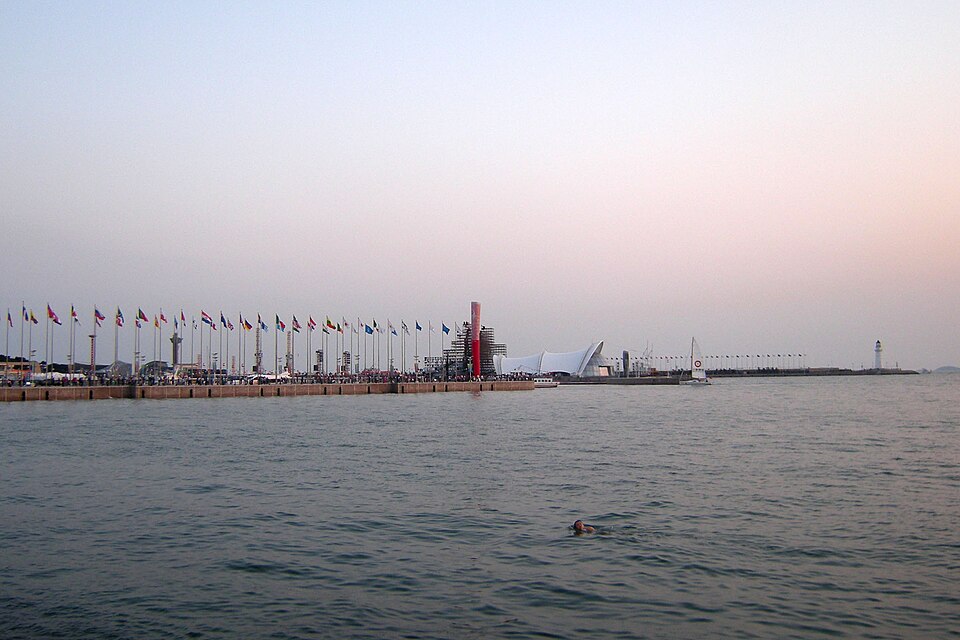 SightOlympic Sailing CentreThe city hosted the sailing events of the 2008 Beijing Olympics here. You can walk the plaza and the lighthouse, and the venue has restaurants and bars.4.6(3.1K)
People have lived on this coast since the Neolithic, but the early story belongs to the towns around today's centre. In 567 BC the state of Qi made Jimo a second capital. Under the Song, Banqiao in Jiaozhou became northern China's biggest foreign trade port, with a maritime trade office from 1088. Qingdao itself was only a fishing village. In 1467 its people built a Tianhou temple for the sea goddess, and the Qingdao Folk Custom Museum fills it today.
The city you see now starts in November 1897, when German troops landed after the killing of two missionaries. A 99 year lease followed in 1898. The place was a town of about 1,000 people. The Germans pushed the old village's fishermen and farmers east, then laid out wide streets, a sewer system and a safe water supply, which was rare in Asia at the time. The navy ran the colony as a base for its East Asia Squadron, and a railway inland was finished in 1904.
The German period lasted only 16 years, yet the old town still looks German. The Lutheran church of 1910 has a bell brought from Germany, and Xinhao Hill was a German signalling station before it became a park. Even Sun Yat-sen was impressed on a visit in 1912. The brewery, founded in 1903 by settlers homesick for Germany, is the legacy you are most likely to taste.
In 1914 Japan, an ally of Britain, took the city from Germany in the Siege of Tsingtao. After the First World War the peace talks did not return it to China, and that decision set off the May Fourth Movement of 1919, a nationwide protest. Qingdao came back under Chinese rule in December 1922. Japan returned in 1938 and stayed until 1945.
The years between 1922 and 1938 gave the city its seaside look. Chinese governments built villa districts at the beach and a cluster of banks downtown, and by 1937 the city had 385,000 people. It became a holiday resort and summer retreat. The writer Lu Xun lived and taught here in the 1930s, and a seafront park carries his name.
Communist forces took Qingdao on 2 June 1949. Today the Chinese navy's northern fleet is headquartered here, and the Naval Museum has warships you can tour. China's opening to foreign trade in 1984 started the modern boom. Three US Navy ships visited that November, the first American navy visit to China in over 37 years.
Today about 7.2 million people live in the seven urban districts, and Haier and Hisense are based here. Much of the eastern half has gone up since 1993. Qingdao hosted the Olympic sailing in 2008, and the Jiaozhou Bay Bridge, about 42 km long, opened in 2011.
Eating here means seafood first, and many restaurants have picture menus if you do not read Chinese. Dumpling shops tend to be cheap. Beyond Shandong cooking you will find Sichuan hotpot and dim sum, and Chengyang district has a large Korean community and a lot of Korean restaurants.
Beer gardens serve fresh Tsingtao in glasses, and karaoke is a popular night out among locals. The downtown bar strip is on Jiangxi Road near Hong Kong Middle Road, and the many Koreans in the city have brought their own bars too.
Language still marks people out. Residents have their own accent, the Qingdao dialect, which sets them apart from the rest of Shandong, and most educated people also speak standard Mandarin. German was taught during the colony but has almost vanished. English signs are becoming more common, and some younger people can talk with visitors.
Faith is mixed and visible. Laoshan is a Taoist mountain, Zhanshan Temple is Buddhist, and the old town has German churches, Lutheran and Catholic. Zhanshan Temple draws tens of thousands of people during lunar April, from the 8th to the 10th.
September and October are the time to come. September has highs near 26 °C and lows near 20 °C, and October drops to a high of 20 °C. The summer crowds have thinned by then, and rainfall falls from about 69 mm in September to about 36 mm in October.
Summer suits beach days but not quiet ones. July and August have highs near 28 °C and about 159 mm of rain each, and the beaches are packed on weekends. Early summer is milder, though it can be humid near the shore.
Spring is pleasant, with April highs near 16 °C and May near 21 °C, though wind and dust come with it. Winter is dry and cold: January highs reach only 3.4 °C with lows below freezing. Few tourists come then, and hotels cut their rates. Pick September or October if you can, and winter if you want the cheapest rooms.
Best months: May–Jun, Sep–Oct
The German-era centre sits on the bay by the pier. Here are St. Michael's Cathedral, the Christian church, the Naval Museum, Little Qingdao island and Lu Xun Park. It suits first-time visitors who want history on foot.
The seaside scenic area east of the old town, with Beach No. 1 and Beach No. 2 and Zhongshan Park nearby. The most popular stretch of the seafront walk passes through it.
The hilly part of the old town holds the Governor's residence, Xinhao Hill with its revolving tea shop and Xiaoyushan, a hilltop park built in 1983 with views at sunrise. Come here for the views and the aquarium.
The newer eastern centre has May Fourth Square, a waterfront plaza with a sculpture called Wind of May, and Zhanshan Temple at the foot of its hill. It suits people who want the modern city and its malls.
The old brewery site on Dengzhou Road is a museum, and the Taidong shopping area is close on foot. Come for the beer tour.
Southeast of downtown, the district holds Laoshan, the Old Stone Man beach and Xiaomaidao Park. It suits hikers and swimmers, and Xiaomaidao is a free island park reached by a causeway.
Mostly new industrial areas on the north shore of Jiaozhou Bay, but it holds a large Korean community, so it is the place to look for Korean food.
A ferry ride from Qingdao port, Huangdao is home to huge wharfs and other industry, plus Golden Beach and Silver Beach, each crescent-shaped. Dazhu Mountain and Langyatai are also here. The district itself is short on character.
Metro Line 4 to Dahedong, or bus 304 from the railway station then a taxi · about 30 min
Hike or visit the temples and the waterfall trail. The entry fee is 70 yuan.
High-speed train, about 1 hour · about 60 min
Home of China's International Kite Festival and a kite museum with other crafts and a Ming dynasty house.
High-speed train, about 1.5 hours · about 1.5 h
A coastal city with sea views and a wine industry.
Metro Line 13 to Dazhushan or Longwan station
Dazhu has rock formations, grottoes and a Buddhist temple, with sea views from the top. Langyatai is a terrace the First Emperor had built on his eastern tour of 219 BC. Archaeologists rank it as the oldest and biggest Qin construction project found in eastern China.
UK advice: No warnings
US advice: Level 2, exercise increased caution
Type A, C, I · 220 V
Bring an adapter unless your plugs are type A or C or I.
renminbi (CNY)€1 = 7.31 CNY · $1 = 6.67 CNY
Tipping: Tipping isn't expected; upscale restaurants may add a 10% service charge instead
Qingdao Jiaodong International AirportTAO
Traffic drives on the right.
SIM and eSIM: China Mobile, China Unicom, China Telecom
Country calling code +86.
Spoken officially: Putonghua








