
 Sight
 Experience





Qixia Temple
Bus 206, about an hour · about 60 min
A village outside the city, best in autumn for the maple colour and in spring for peach blossom.
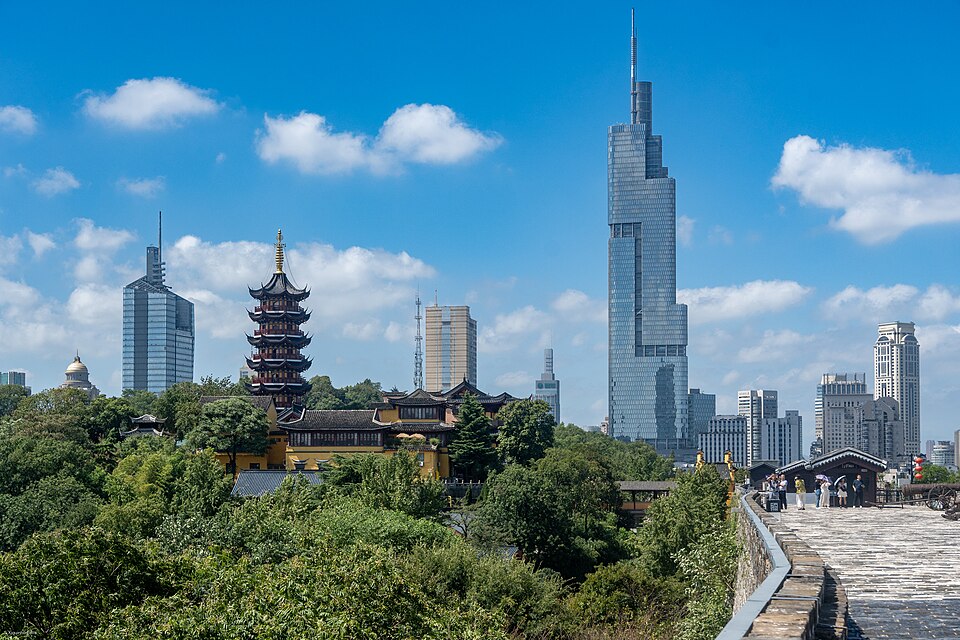
The story of the city
Nanjing is a Yangtze city of about 9.4 million people that has served as a capital for rulers from the 3rd century to 1949. You can still walk on the Ming wall, climb to an emperor's tomb under Purple Mountain, and spend an afternoon in a museum with one of the largest collections of imperial porcelain in the world. It suits history readers, walkers and anyone who will happily eat duck three ways.
Purple Mountain alone takes a day, and the Presidential Palace takes half of another.
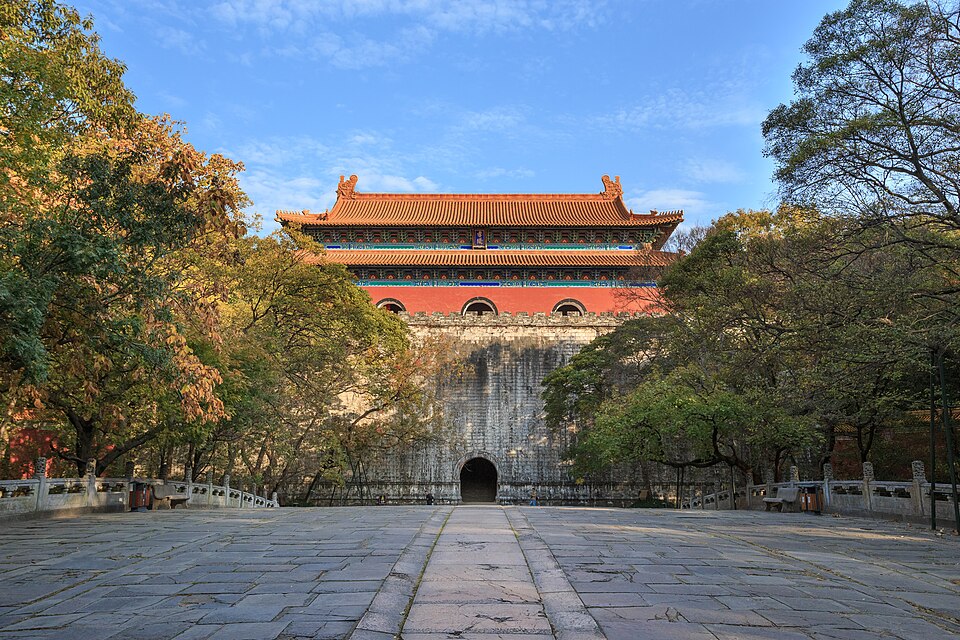 SightMing Xiaoling MausoleumThis is the tomb of the Hongwu Emperor, reached along a mile of avenue lined with stone camels and elephants. The avenue bends because it goes around the tomb of Sun Quan, a late Han general. You need a free reservation to enter the park, made on WeChat or with your passport at a tourist information centre.4.6(18.9K)
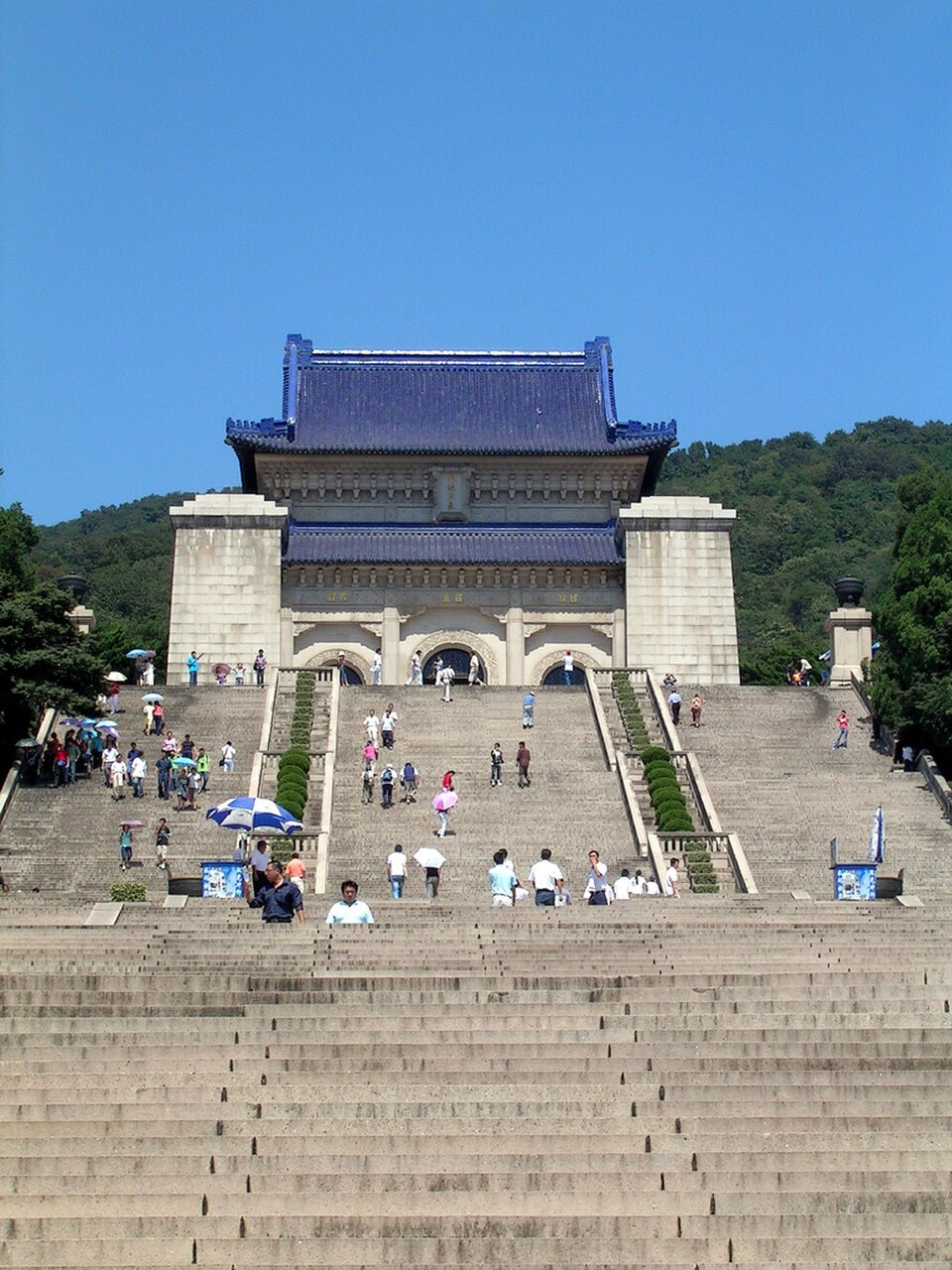 SightSun Yat-sen MausoleumIt is the resting place of the man who was sworn in as provisional president on 1 January 1912. The complex mixes Chinese and Western architecture, and it is free to enter. It is closed on Mondays.4.6(402)
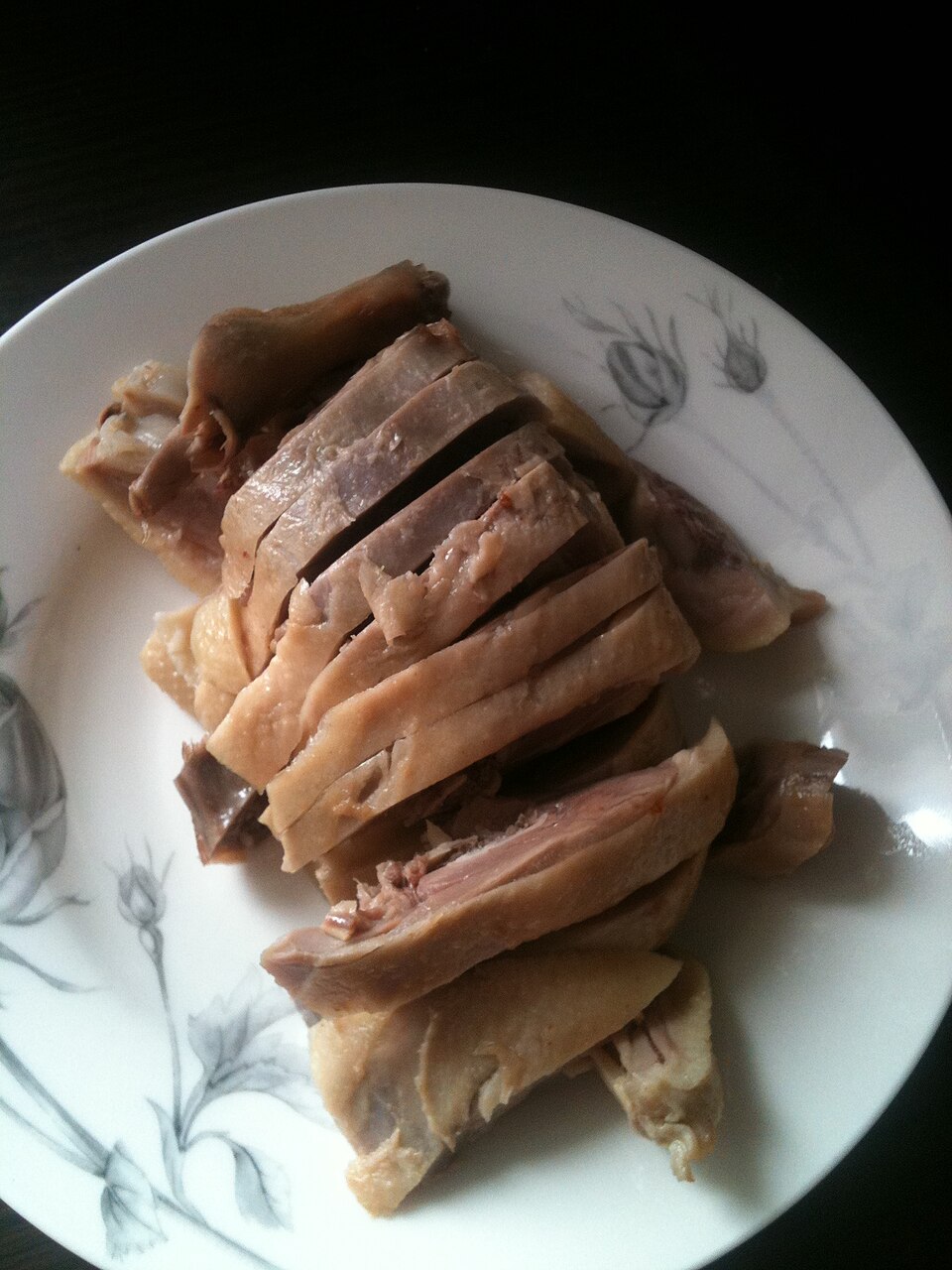 FoodSalted duckA whole duck is pickled, boiled and served cold. You will find it in small dining halls all over town, cheap, usually next to a bowl of duck blood vermicelli soup.
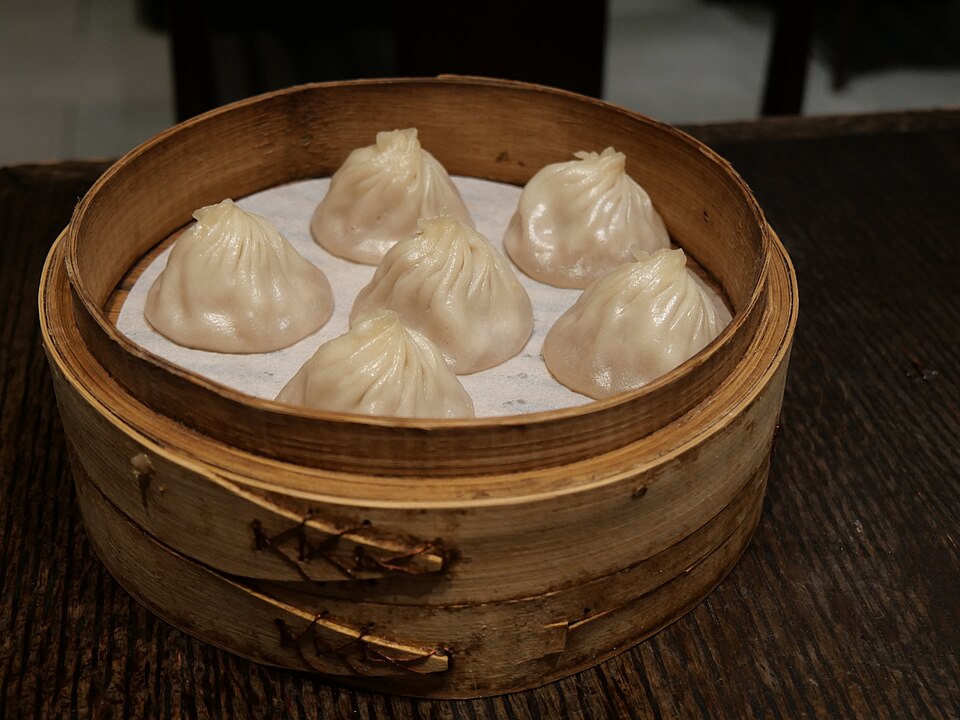 FoodSoup dumplings and tangbaoXiaolongbao are thin skinned dumplings full of soup and meat. Tangbao are a larger version with crab. Drink the soup of the big ones through a straw.
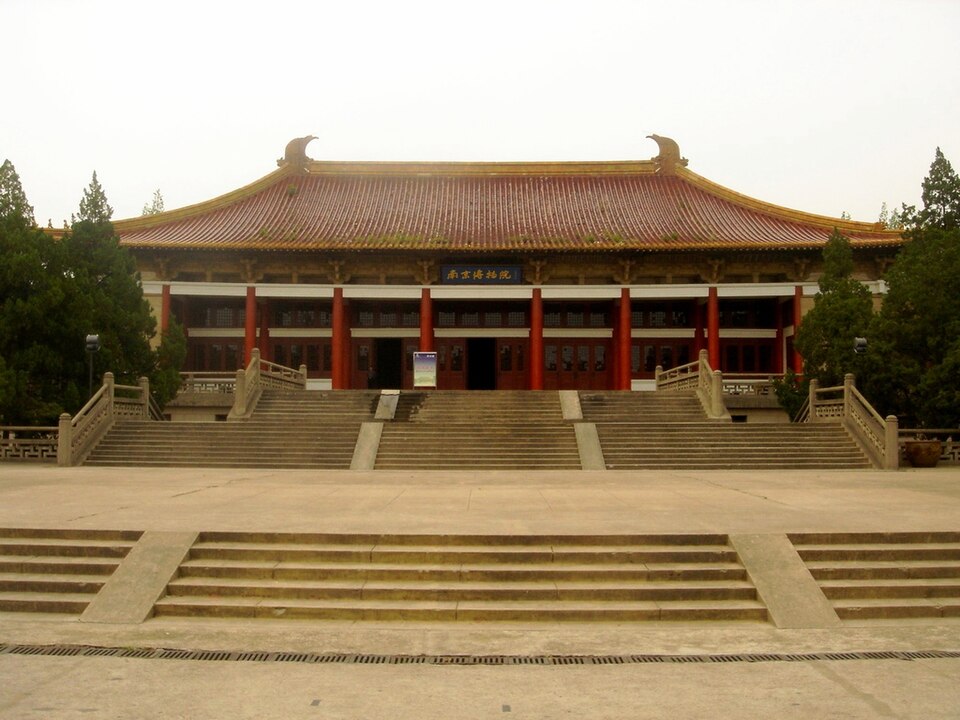 SightNanjing MuseumFounded under the Republic as the National Central Museum, it holds 400,000 items. Its Ming and Qing imperial porcelain is among the largest collections anywhere. It is a good call for a wet or sticky day.4.7(4.2K)
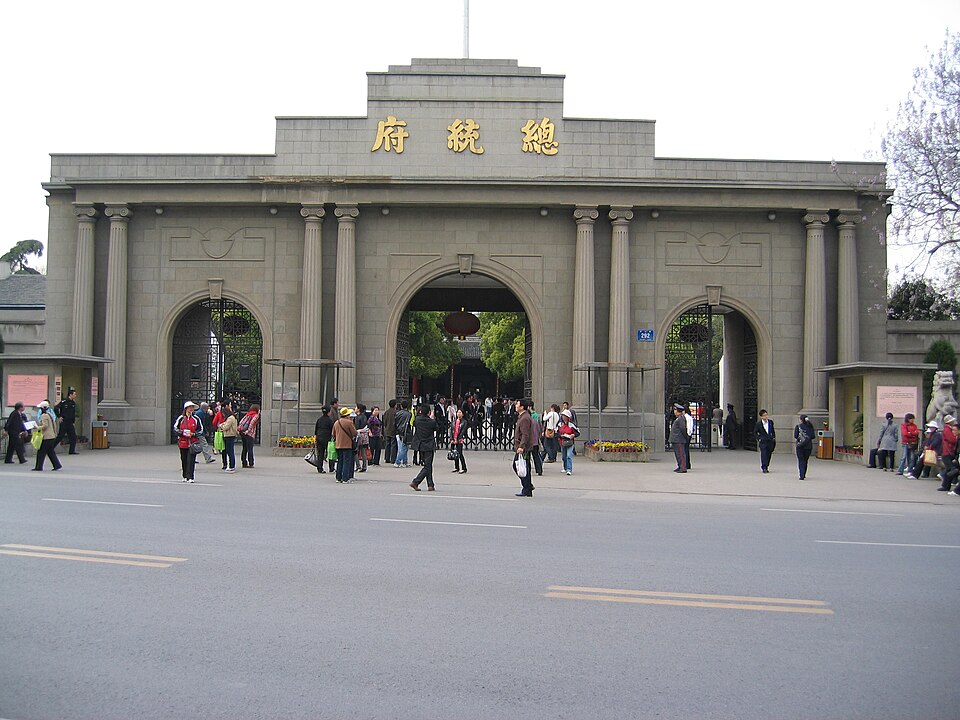 SightPresidential PalaceThe site holds offices once used by Chiang Kai-shek and Sun Yat-sen, and Sun's residence. The Republic of China flag still flies here, which is rare in mainland China. Bring your passport to buy a ticket.4.3(364)
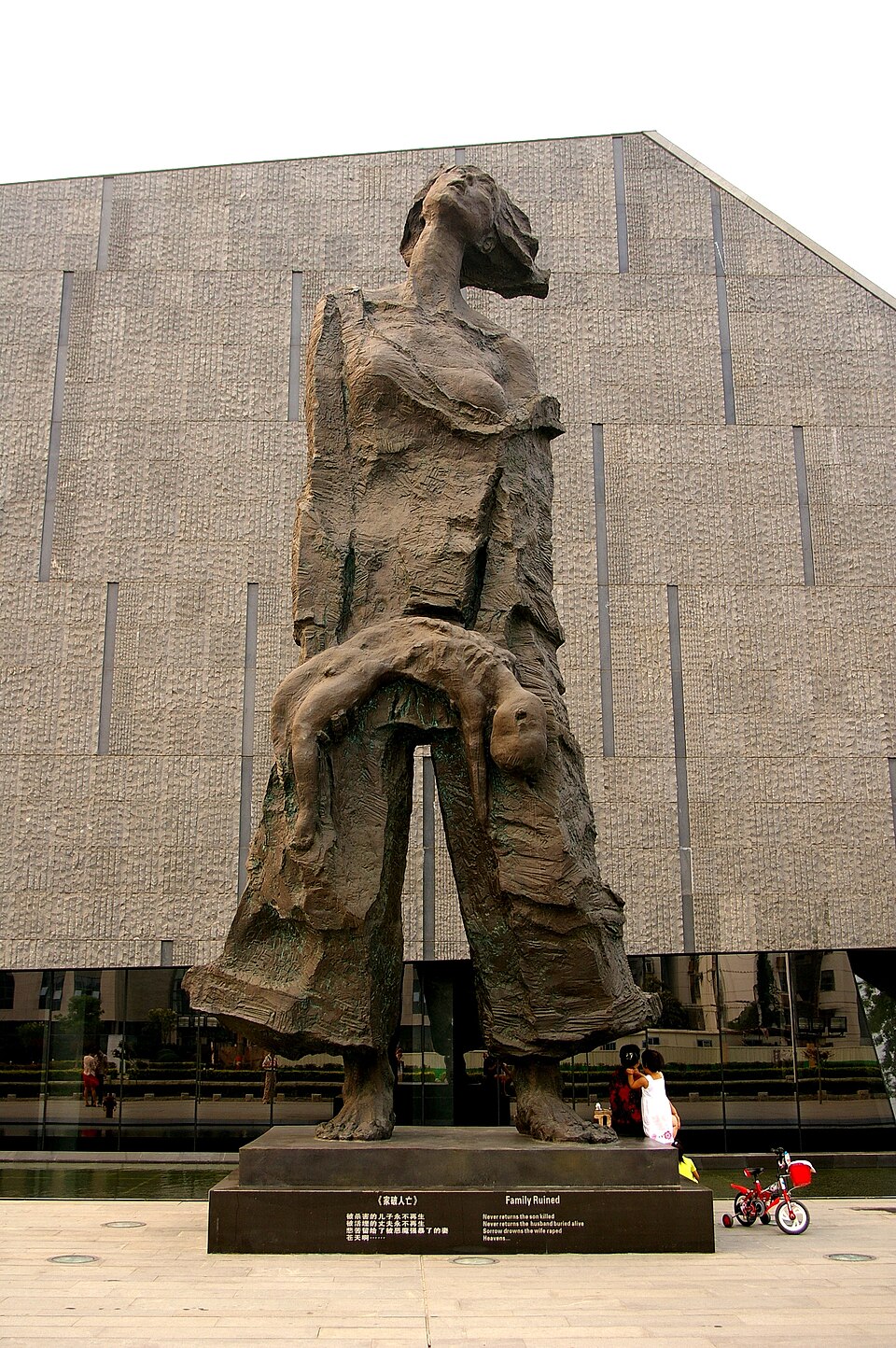 SightNanjing Massacre Memorial HallThe memorial marks the massacre that followed when the city fell in December 1937. Two partly excavated burial sites show victims' remains, and the museum has captions in English. Entry is free and lines can be long.4.6(177)
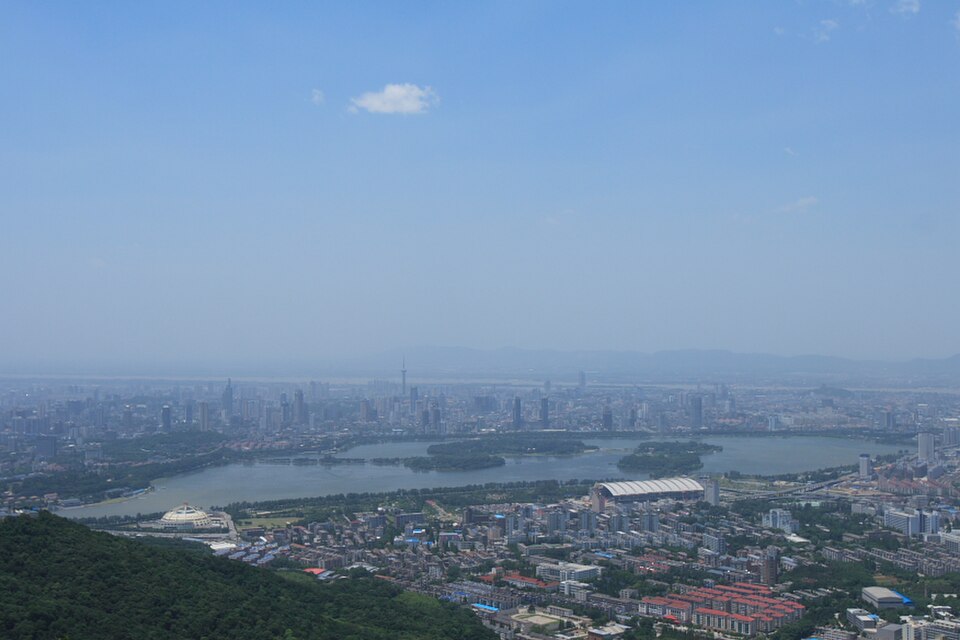 NatureXuanwu LakeThree islands sit in the lake, joined by causeways, with a children's amusement park and a small zoo. It has views of the city and Purple Mountain. You can rent a paddle boat.4.8(6.9K)
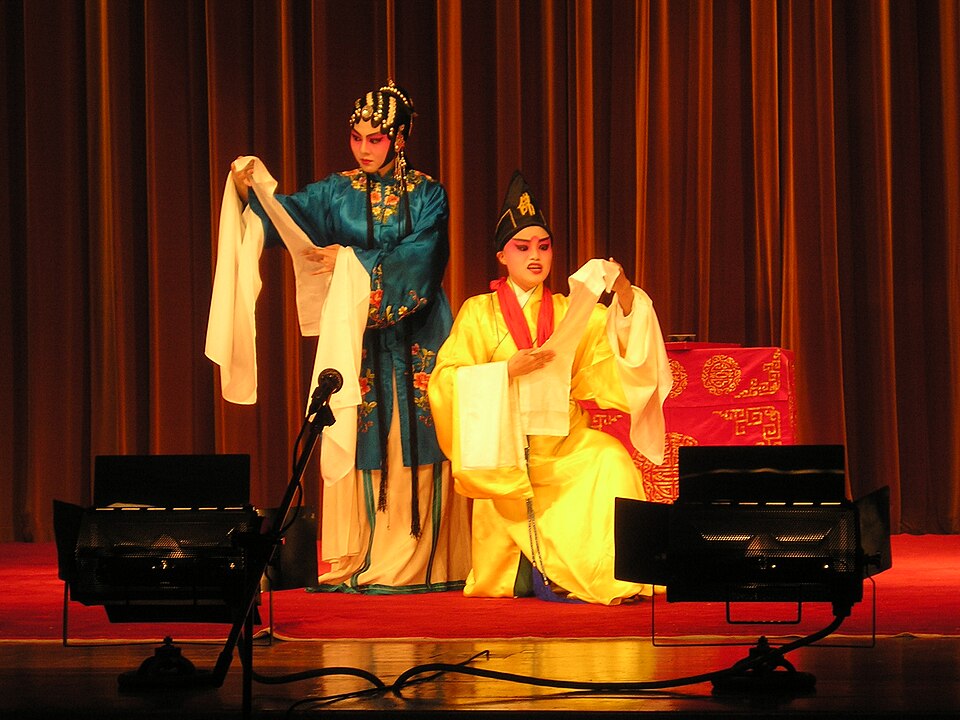 ExperienceKunqu operaKunqu is China's oldest stage art, and the Jiangsu Province Kunqu Theatre performs it at Chaotian Palace. The singing is in old Chinese, but screens give subtitles in English and modern Chinese.
The city's life as a capital began in 211, when Sun Quan moved his headquarters here and fortified Shitou Hill as the Stone City. He declared himself emperor in 229 and built a palace. After the north fell, the Eastern Jin dynasty set up its capital here in 317, under the name Jiankang. For the next few centuries it was the capital of the southern dynasties, and by the Liang period it held over 500 monasteries. The Jiming Temple you can visit today stands on the site of one of them.
That age ended in 589, when the Sui emperor had the city torn down and its land turned into farms. The ruins became a frequent subject of classical poetry. The city came back in 937 as capital of the Southern Tang, which was known for its landscape painting. Northern Song forces took it in early 976.
Zhu Yuanzhang took the city in 1356 and made himself the Hongwu Emperor of the Ming there in 1368. His city wall ran for over 30 kilometres. By 1391 perhaps a million people lived inside the outer defences. Then his son Yongle moved the capital to Beijing in 1421, and the population fell to 200,000 to 300,000.
Losing the throne did not make the city poor. Silk weaving, fan making and publishing grew, and an entertainment district for scholars sprang up along the Qinhuai. At their peak there were more than 30,000 private satin looms, and the exam compound could seat 17,000 candidates by 1850. The first Opium War ended here in 1842, when the Treaty of Nanking was signed aboard HMS Cornwallis, off the western suburb of Xiaguan.
In March 1853 the Taiping rebels captured Nanjing and made it their capital. Their leader Hong Xiuquan turned the former governor-general's offices into his palace. When Qing forces retook the city in July 1864 they looted and burned large parts of it, including the Taiping palaces. The Great Bao'en Temple and its Porcelain Tower were also lost in this period. The tower has since been rebuilt.
The Republic of China was proclaimed here on 1 January 1912, though the capital soon moved to Beijing. In 1927 the Kuomintang made Nanjing the national capital, and planners laid out a 12 kilometre avenue from the river at Xiaguan to the Sun Yat-sen Mausoleum. Japan's army took the city on 13 December 1937 and then spent six weeks carrying out the Nanjing Massacre. Post-war tribunals put the dead at 300,000 to 350,000. The Kuomintang came back in 1946 and left for Taiwan in 1949.
Communist forces crossed the Yangtze and took Nanjing in April 1949, and in 1952 it became the capital of Jiangsu province. Its great modern landmark is the Yangtze River Bridge, built after Soviet advisers left China in the 1960s. Today the city has 68 institutions of higher learning.
Local cooking is called Jinling cuisine. It is known for duck and goose. The radish is the vegetable people link with Nanjing's residents, and in spring locals eat wild greens around the Qingming Festival. Walk the streets after 22:00 and you will find barbecue, wontons, fried noodles and fried rice.
Going out used to mean the Confucius Temple area, with night markets and boat rides on the Qinhuai. That has spread. Xinjiekou is the shopping district, lit up with neon. The 1912 District, just west of the Presidential Palace, is a block of two and three storey buildings that are almost all restaurants, bars and clubs. Students go to the streets around Nanjing University and Nanjing Normal University.
Nanjing is a city of painters and readers. It is an important centre of Chinese painting and calligraphy. Nanjing Library, founded in 1907, holds more than 10 million volumes, the third largest collection in China.
Four religions are practised here: Buddhism, Taoism, Christianity and Islam. Jiming Temple draws more visitors than any other temple here. Catholicism arrived more than 400 years ago, with the missionary Matteo Ricci.
The local speech has its own history. A court language widely believed to be based on Nanjing speech was used in the Ming and Qing. The Republic chose Beijing speech as its standard rather than Nanjing's, and use of the local dialect is lower among younger people and migrants.
Summers are hot and sticky. July averages a high of 32.4 °C and a low of 25.1 °C, with 226.8 mm of rain. June is nearly as wet at 193.4 mm. Nanjing is one of the 'Three Furnaces' of the Yangtze, along with Chongqing and Wuhan. Winters are raw: January has a high of 7.4 °C and a low of 0 °C, and the city is no warmer than London in winter.
Spring and autumn are the seasons to aim for. April has a high of 21.4 °C and a low of 11.6 °C, and October a high of 22.8 °C and a low of 14.2 °C, with 55.5 mm of rain. Plum blossom comes in early spring, and Qixia Temple is good for maple colour in autumn and peach blossom in spring.
Go in April, May or October. May is warm at 26.6 °C by day and still drier than June, and October is the driest of the comfortable months.
Best months: May, Sep–Oct
This is the old tourist heart by the Qinhuai River, built around the Confucius Temple. It is crowded, with a maze of shops, and canal boats with gold roofs serve tea. Zhanyuan Garden is close by. Come in the evening, when the old night market life continues.
The lake, Jiming Temple and the Taicheng stretch of the city wall are close together here. It suits a slow day on foot. Walk the wall, then go down to the lake or up to the temple.
This is where the tombs are: Ming Xiaoling, the Sun Yat-sen Mausoleum and Meiling Palace, a former residence of Chiang Kai-shek. A cable car goes up the hill, or you can walk. Buy the Purple Mountain pass if you want two or three of the parks.
This district holds the Presidential Palace and, just west of it, the 1912 District, where the nightlife is. Do the palace by day and the bars after dark.
This is the place for shopping. It is only a couple of square blocks, with a food court beneath. Expect no haggling in the upmarket malls such as Deji Plaza.
Chaotian Palace houses the Jiangsu Province Kunqu Theatre. A small antiques market runs here, where some objects are real and others are not, so negotiate.
Bus 206, about an hour · about 60 min
A village outside the city, best in autumn for the maple colour and in spring for peach blossom.
Fast train east, under two hours · about 2 h
A city known for its gardens and canals, on the line to Shanghai.
Fast train south, about two hours · about 2 h
A major draw for Chinese travellers.
Slow train, about an hour · about 60 min
About an hour away by slow train.
Express bus from Nanjing South Railway Station
A historic natural hot spring area. At least one hotel, the Royal Tangshan, offers private spring rooms and spa treatments.
UK advice: No warnings
US advice: Level 2, exercise increased caution
Type A, C, I · 220 V
Bring an adapter unless your plugs are type A or C or I.
renminbi (CNY)€1 = 7.31 CNY · $1 = 6.67 CNY
Tipping: Not expected in restaurants, taxis or hotels; upscale hotels may add a 10% service charge
Nanjing Lukou International AirportNKG
Traffic drives on the right.
SIM and eSIM: China Mobile, China Unicom, China Telecom
Country calling code +86.
Spoken officially: Putonghua








