
 Craft
 Food
 Drink





Shuhe
Bus 5A or 5B from the old town, under 30 minutes · about 30 min
A less commercial old town with a Tea Horse Road museum and horse rides.
The story of the city
Lijiang is a small city in Yunnan, 2,400 m up, with an old town of stone lanes and canals that has been a UNESCO World Heritage Site since 1997. It is the centre of Naxi culture, with a pictographic script of its own, and the base for Jade Dragon Snow Mountain, 25 km away and 5,596 m high. It suits people who want the mountain and the nearby villages as much as the old town, which gets very busy.
The Mu Palace alone takes at least two hours, and the mountain is a separate trip with its own park ticket, shuttle and cable cars.
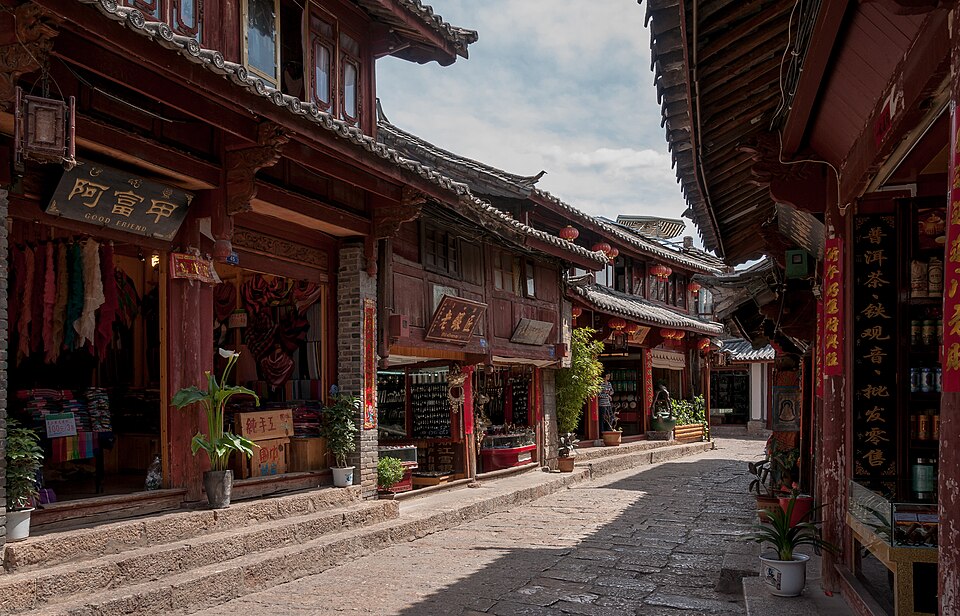 SightOld Town of LijiangA network of stone streets, canals and wooden houses with no city wall, listed by UNESCO in 1997. Entry is free and it is open all day. Go early in the morning, before the crowds arrive.4.7(15.2K)
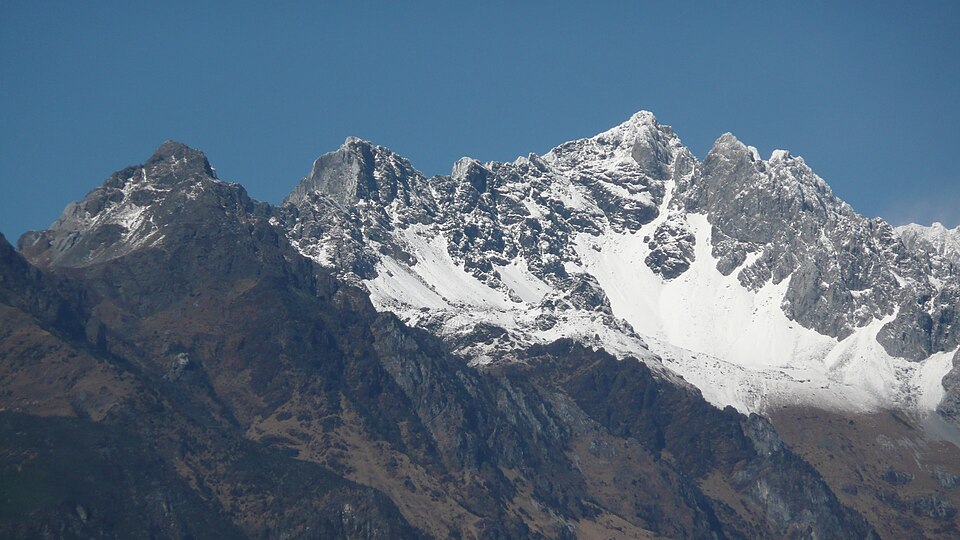 NatureJade Dragon Snow MountainA massif with snow on it all year, seen from town and reached by minivan, shuttle bus and cable car. Some cable cars can be cancelled in wind, and the thin air at the top can make you ill. A lot is still worth seeing if you skip the ride up.4.4(20.9K)
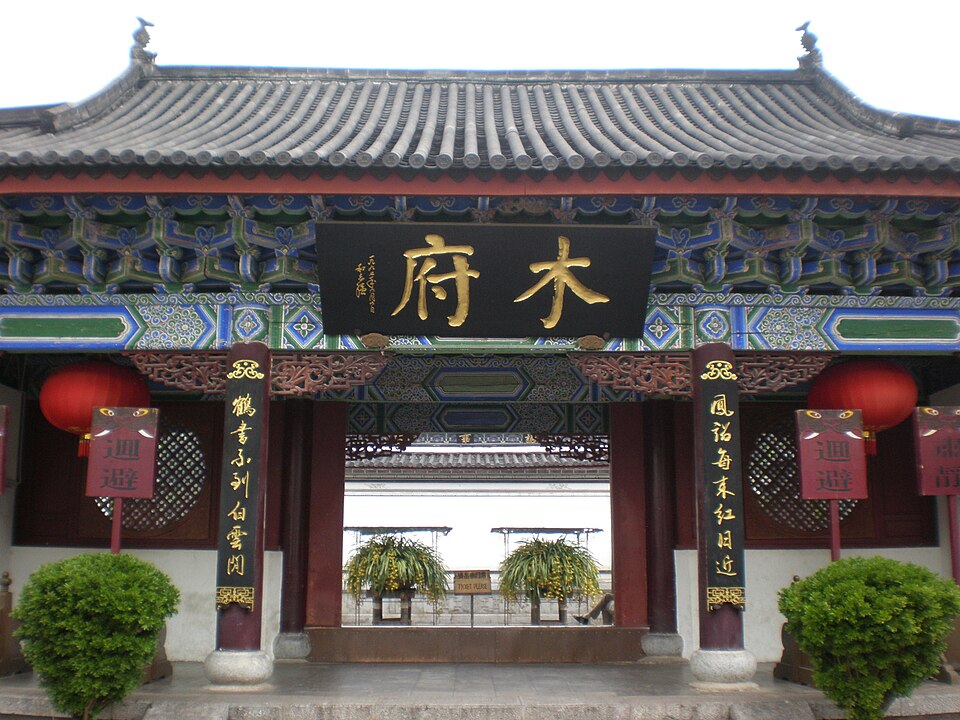 SightMu PalaceThe seat of the Mu family, who ruled the Naxi for more than 400 years. Most of its paintings and carved doors were destroyed in the Cultural Revolution, but the complex is large and runs part of the way up the hill behind it. Wander into the side courtyards.4.7(11.5K)
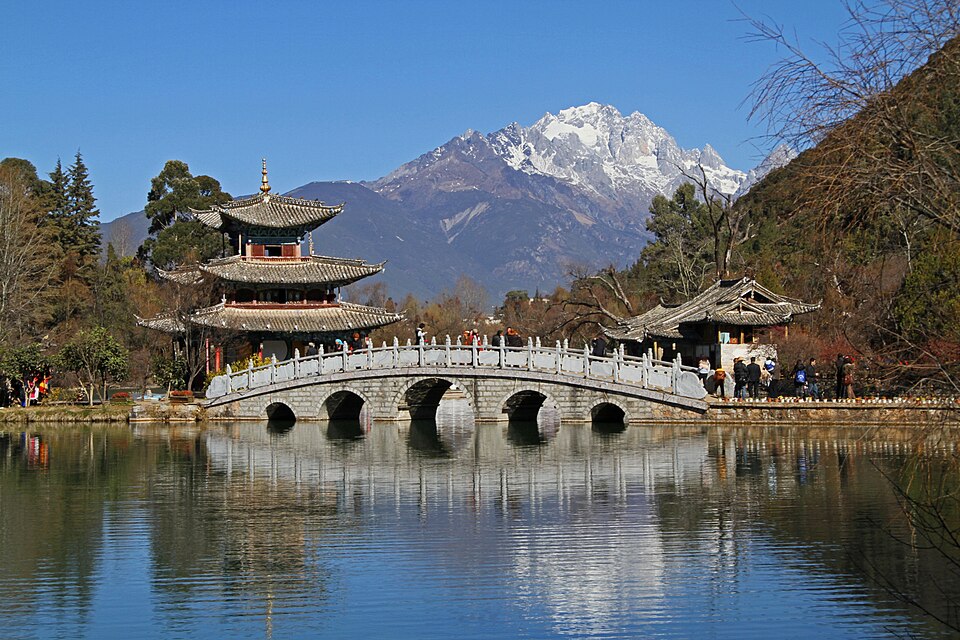
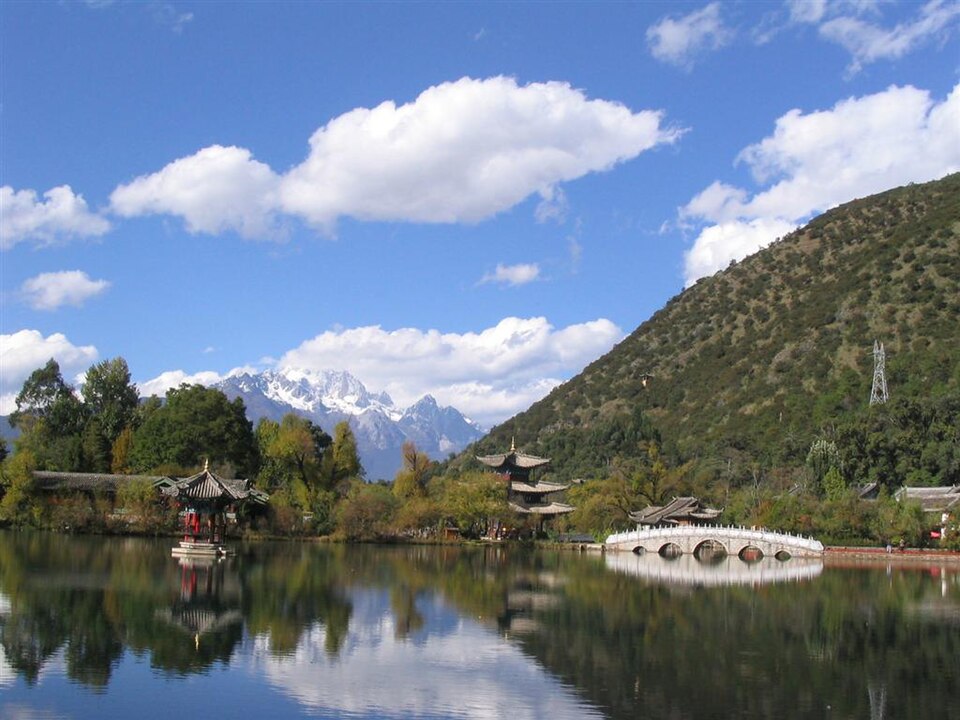 SightBlack Dragon PoolA park about 1 km from Square Street, where locals dance and play mahjong or Chinese chess. The bridge in the middle frames the snow mountain. It is a ten-minute walk up the canal from the waterwheels.4.4(909)
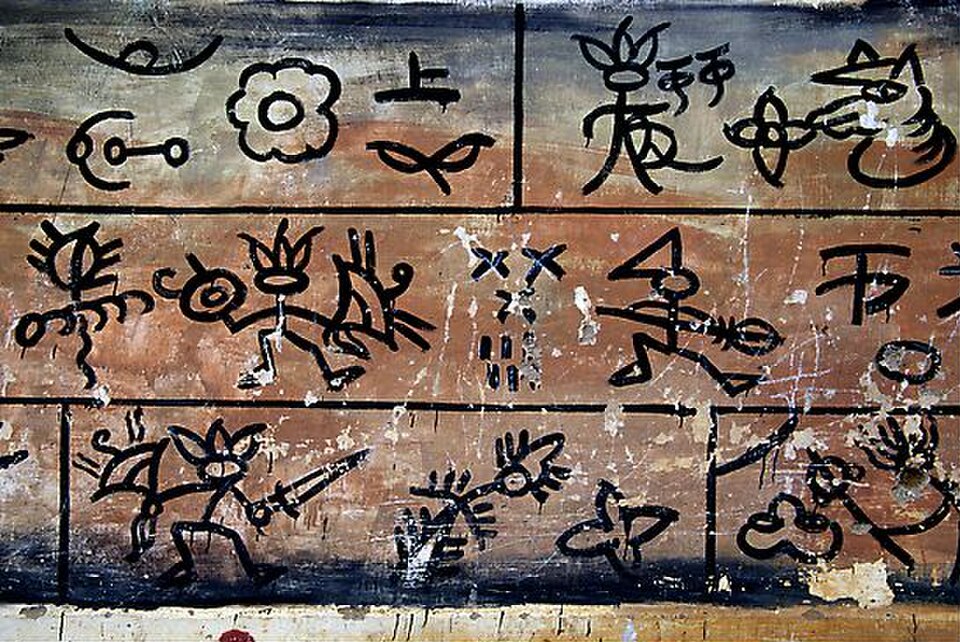 CraftDongba scriptThe Naxi pictographic writing, the only intact living pictograph in the world. The small Dongba Cultural Museum, free to enter, covers the religion and culture around it.
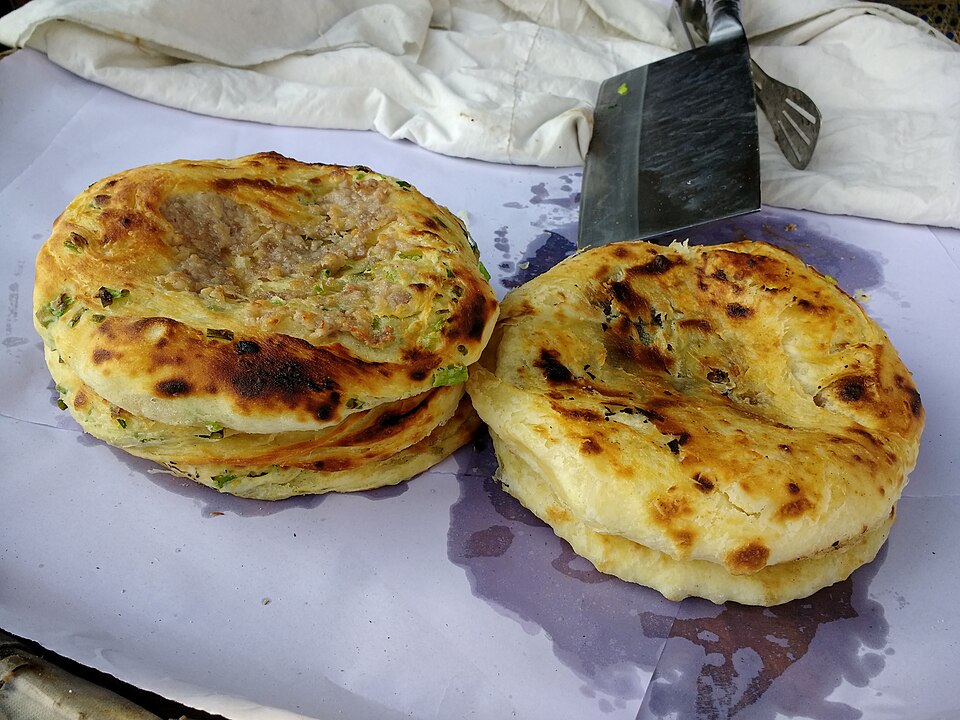 FoodBaba and fried white cheeseBaba is a flat wheat bread, savoury with chilli sauce or sweet and honey-flavoured. Look for fried white cheese with sugar on top in restaurants, and yak milk yoghurt with honey or fruit.
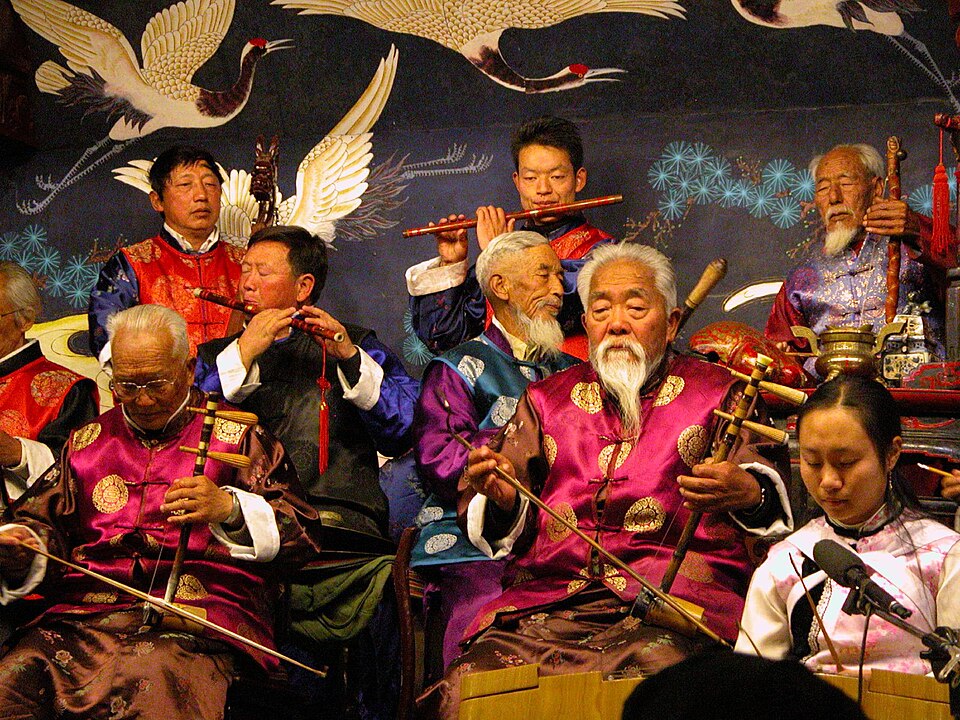 ExperienceNaxi ancient musicAn evening concert by the Naxi Orchestra, whose players include men aged 70 to 90. The music blends Tang-era Chinese music with local instruments. Expect long spoken introductions in Mandarin between pieces.
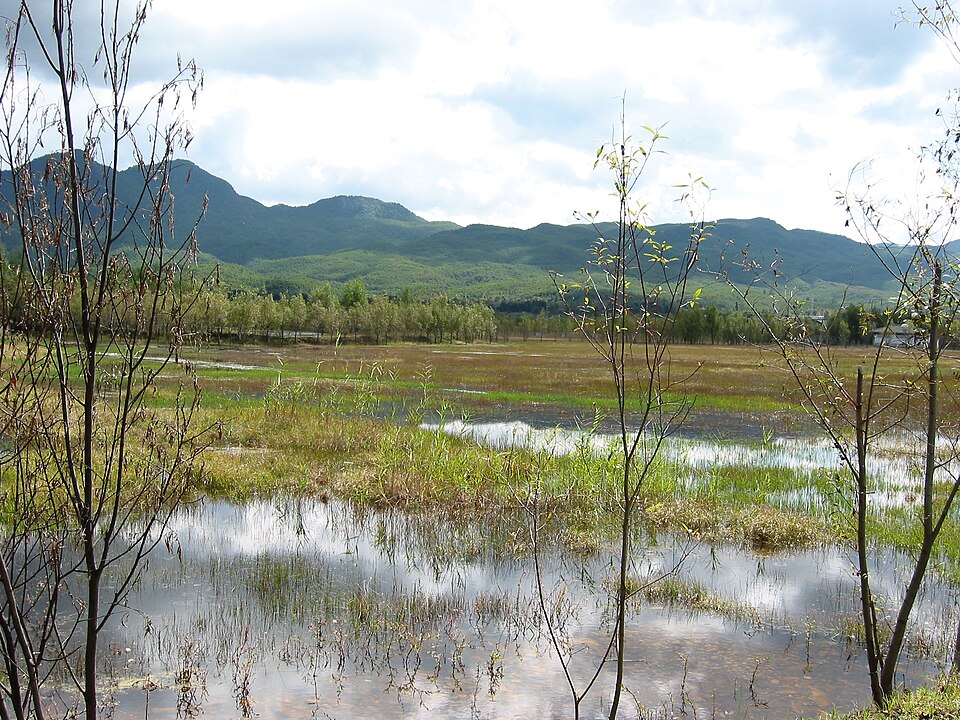 NatureLashihai wetlandA lake and wetland park where thousands of migratory birds winter. You can ride horses around it. Boating has been banned since October 2018.4.3(5.6K)
Humans were active around Lijiang some 100,000 years ago. Cave paintings in the Jinsha River valley, plus stone, bronze and iron tools, mark it as an old centre of settlement in southwest China. The Naxi came later, migrating into the area during the Northern and Southern Dynasties.
Baisha, not Lijiang, was the early Naxi centre. It was the political, commercial and cultural hub from 658 to 1107, and a hub on the Tea and Horse Road that ran from Burma through Lijiang to Tibet. Its murals and an embroidery institute are still there, 12 km north of the old town.
In 1253 Lijiang submitted to Khubilai Khan's army on its way to attack the Dali kingdom. The Mongols let the Naxi rulers keep their autonomy as a tusi, a native office. The Naxi then backed the early Ming, and the ruling family was given the name Mu. Under the Mu the kingdom grew into Sichuan and Tibet, and brought Tibetan religious influence with it.
The Mu held power until 1723, when the Qing court replaced hereditary chiefs with appointed officials. Their palace in the old town is a large complex, though most of its paintings and carved doors were destroyed in the Cultural Revolution. Lijiang County followed under the Qing, and Lijiang City was set up in 2002 in place of the old Naxi autonomous county.
A major earthquake hit in 1996 and was followed by heavy rebuilding. UNESCO listed the Old Town in 1997. Lijiang is the only prefecture-level city in China with three World Heritage Sites.
A high-speed train to Kunming began in early 2019, and a railway to Shangri-La opened in November 2023. The old town's maintenance fee was dropped in 2017, so walking in is free, though some sights inside charge.
The Naxi are the majority in Lijiang, with Bai, Yi and Tibetan communities that have lived here for a long time. In 2010 ethnic minorities made up 56.79% of the prefecture, and the Naxi language sits in the Sino-Tibetan family. Almost everyone also speaks Mandarin, often with a strong accent, so you do not need any Naxi.
Restaurants here are mainly Naxi, Tibetan or Sichuan, and some mix them. Street snacks include baba bread and skewers of fried yak meat. Local dishes include chicken-pea jelly, served cold or stir-fried, and Naxi roast pork with crisp skin. Western food is available but costs more.
Around 19:00 a bonfire is lit in Sifang Street square, where locals dance and visitors can join. Unlike the rest of China, cafés and restaurants close around 11 pm and bars must turn off their music at 23:30, though you can keep drinking. Canalside bars draw the biggest tourist crowds, so walk deeper into town for quieter ones.
Naxi belief centres on Dongba religion, mixed with Tibetan Buddhism. You see the mix in temple murals, and the Mu Palace has a Daoist temple on the hill behind it. Naxi embroidery and wood carving are still made, though much of the carving on Naxi houses is now done by Bai craftsmen.
Winter is dry and sunny, with more than 70% of possible sunshine. Days are mild, but nights drop near freezing: January averages a 14.1 °C high and a 0.6 °C low, and December gets just 2 mm of rain. Bring layers, since the temperature falls fast after sunset.
The rains arrive in late May and run to late September. About 80% of the 968 mm annual rainfall falls from June to September. July is the wettest month at 253.4 mm, with sunshine down to 29%. June is the warmest at 24.5 °C by day, kept moderate by the altitude.
Go in spring or autumn. Spring stays dry and sunny until late May, with April around 20.8 °C by day and 19.9 mm of rain. Autumn dries out from October, a comfortable time for walking the old town and villages. October brings 56.5 mm, then November just 11.6 mm. Visit in summer and you can still enjoy the town, but rain can disrupt outdoor plans.
Best months: May
Stone lanes and canals, with Sifang Street square at the centre. It is very busy around Sifang Street and the main shopping lanes, so smaller side streets are quieter. It suits anyone who wants Naxi music, the Mu Palace and a dense run of bars and restaurants on foot.
North of the old town, a ten-minute walk up the canal. Black Dragon Pool is a park where locals dance and play games, and the small free Dongba Cultural Museum is just outside its north entrance.
A second old town, 8 km north, less commercial than Lijiang proper. You can ride a horse around it. Its Tea Horse Road museum is in a former Buddhist temple from the late Ming and has old murals.
The original Naxi settlement, 12 km north, a cluster of a dozen or more small villages. It is a quiet main street where older traders sell honey, fruit and nuts. Come for the murals and the embroidery courtyard. Half a day is enough, or sleep in a Naxi courtyard home.
The county holds Jade Dragon Snow Mountain, Blue Moon Valley and the Impression Lijiang open-air show. Blue Moon Valley has a 20-minute wooden trail, a better way round than the small electric bus. The show, designed by Zhang Yimou, has a cast of over 500 and no plot.
A wetland park around a lake. Come for winter birds and horse riding. The nearby Zhiyun Monastery is Tibetan Buddhist and, as of 2020, has resisted commercialisation and sees few visitors.
Bus 5A or 5B from the old town, under 30 minutes · about 30 min
A less commercial old town with a Tea Horse Road museum and horse rides.
Bus 6 from the Black Dragon Pool area, or about 40 minutes by bike
Once Lijiang's political and cultural centre, with Buddhist murals, an embroidery institute and few crowds. Allow half a day.
Minivan marked 7 from the square by the Mao statue to the park gate, then shuttle bus
A snow-capped massif 25 km from town, with valleys, meadows and cable cars. Park entry, shuttle and cable cars are each paid for separately.
Bus 31 or 32 from Zhongyi Market stop on Changshui Road
A lake with winter birds, and horse rides around the shore. The Zhiyun Monastery is close by.
Bus from the main bus station to Qiaotou · worth a night
The far side of the snow mountain forms one wall of the gorge, which has a mountain trek. Buses to Qiaotou, the gorge stop, cost about ¥25.
Direct bus from Lijiang's main bus terminal (as of 2024)
An ancient town between Lijiang and Dali, less visited than Lijiang but more popular than it used to be.
Train, about 2.5 hours · about 2.5 h · worth a night
The next main city south on the Yunnan tourist route.
Train, about 1.5 hours, or express bus · about 1.5 h · worth a night
The next main city north, now on the new railway line.
UK advice: No warnings
US advice: Level 2, exercise increased caution
Type A, C, I · 220 V
Bring an adapter unless your plugs are type A or C or I.
renminbi (CNY)€1 = 7.31 CNY · $1 = 6.67 CNY
Lijiang Sanyi International AirportLJG
Traffic drives on the right.
SIM and eSIM: China Mobile, China Unicom, China Telecom
Country calling code +86.
Spoken officially: Putonghua








