
 Nature
 Experience





Shanghai
Train, about an hour · about 60 min
Trade and industry shifted here when Hangzhou's harbour silted up. It is easy to reach for a day.
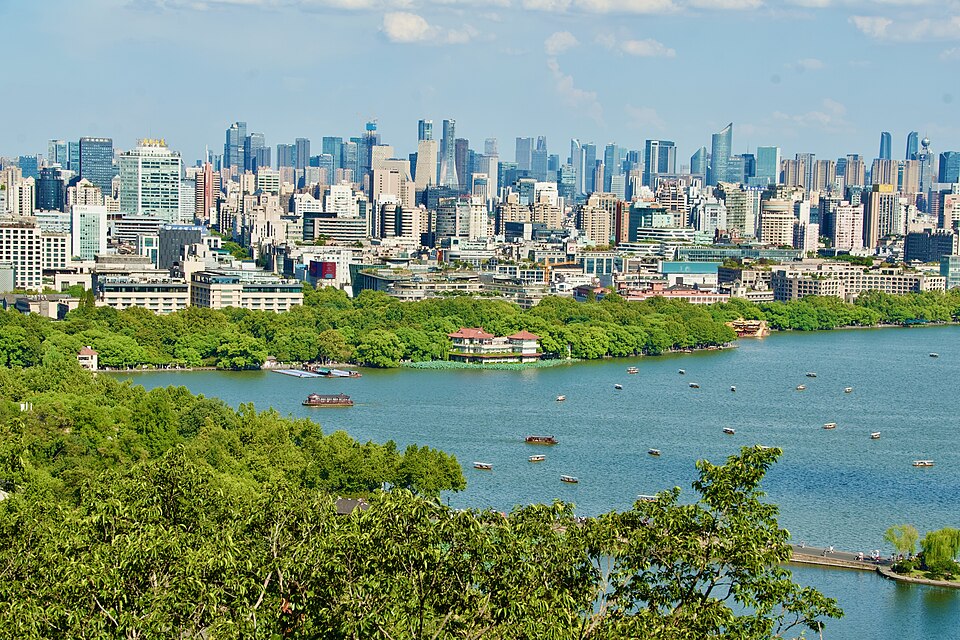
The story of the city
Hangzhou is a lake city with a tech boom behind it. West Lake has drawn poets, officials and emperors for over a thousand years, and Alibaba and other giants now have their headquarters here. You come for the water, the tea hills and the temples, and for a local kitchen that runs light and sweet.
Give it two days: one for the lake and its causeways, one for the temples and tea villages in the western hills. A third day pays off if you want the Xixi wetlands or a trip out of town.
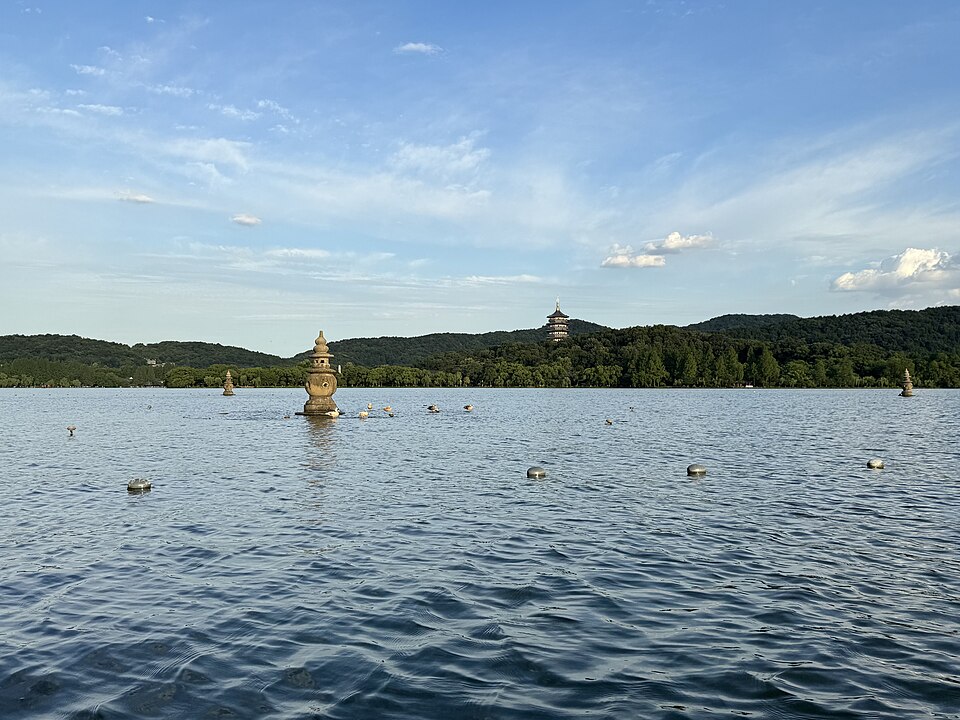 NatureWest LakeHills close it in on the north and west, and two causeways cut across the water. The rim is about 12 km, so walking it takes around five hours. You don't need to chase the traditional Ten Scenes one by one, since some depend on the season; a clear day on the shore and the causeways covers most of them anyway.
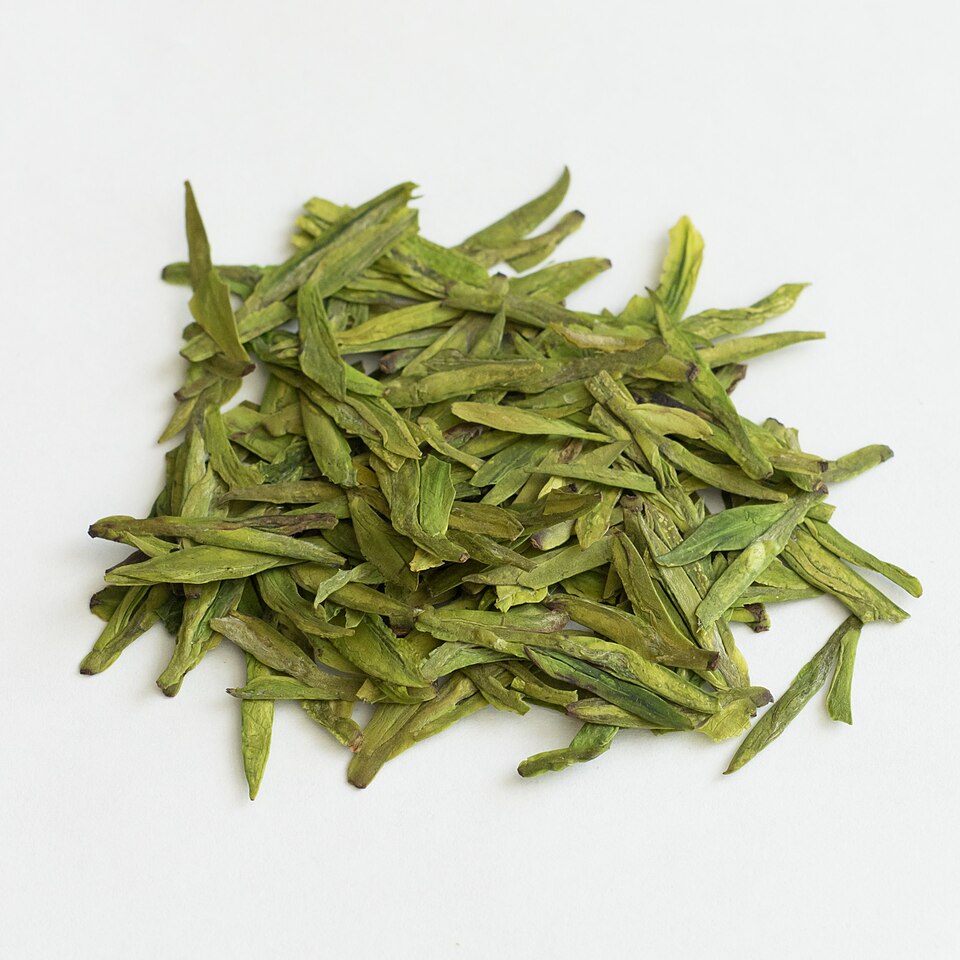 DrinkLongjing teaThis green tea comes from the hills around the lake, and leaves grown by the shore are rated highest. Go in the picking season, from early March to after the May holiday, when the fields are free to enter and the tea is at its best. You can drink it in the village tea houses at Longjing and Meijiawu.
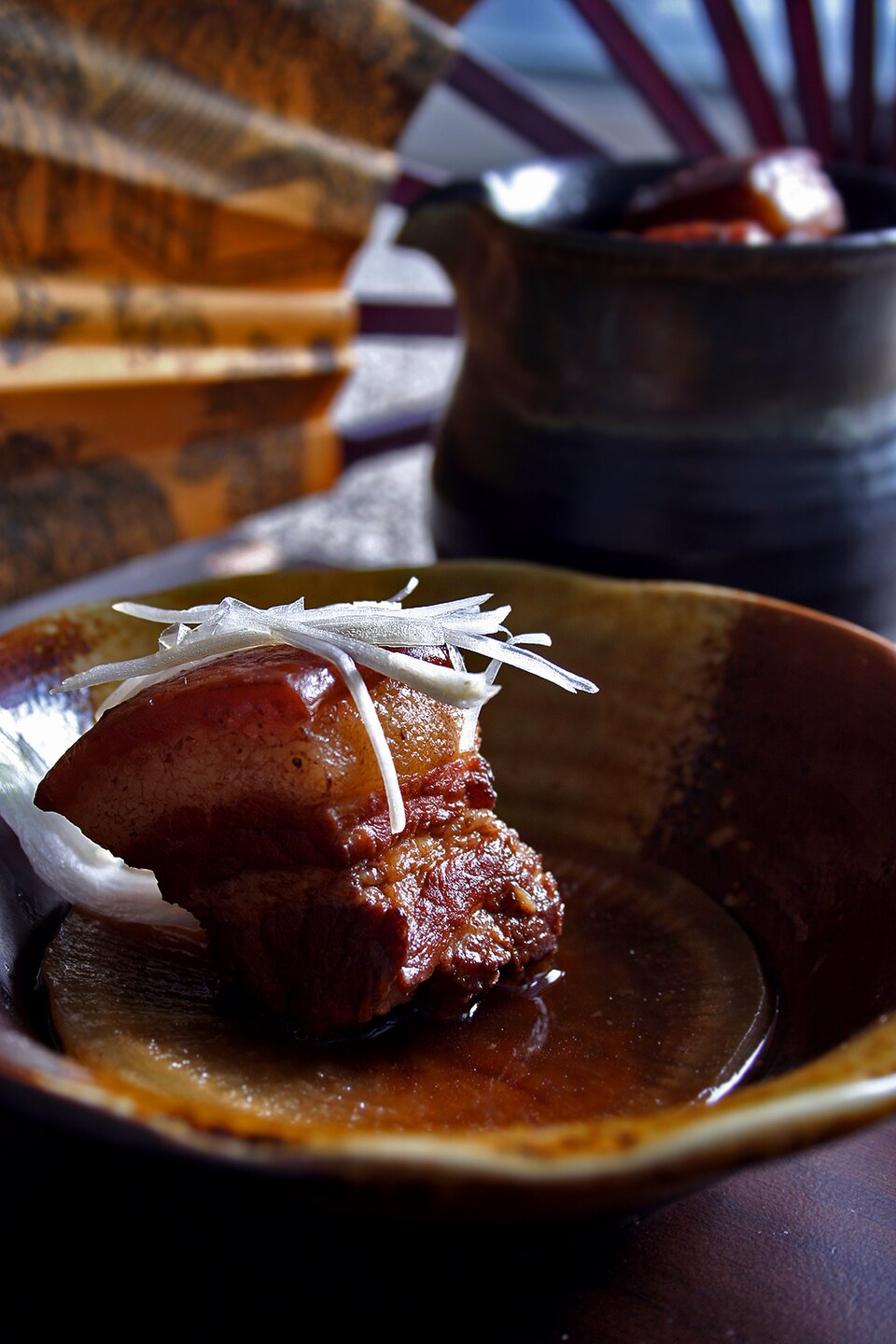 FoodDongpo pork and vinegar fishDongpo pork is a thick, very fatty block in a syrupy sauce. West Lake vinegar fish is served in a vinegar sauce. Local cooking leans sweet, so if you want chilli, head for one of the Sichuan places.
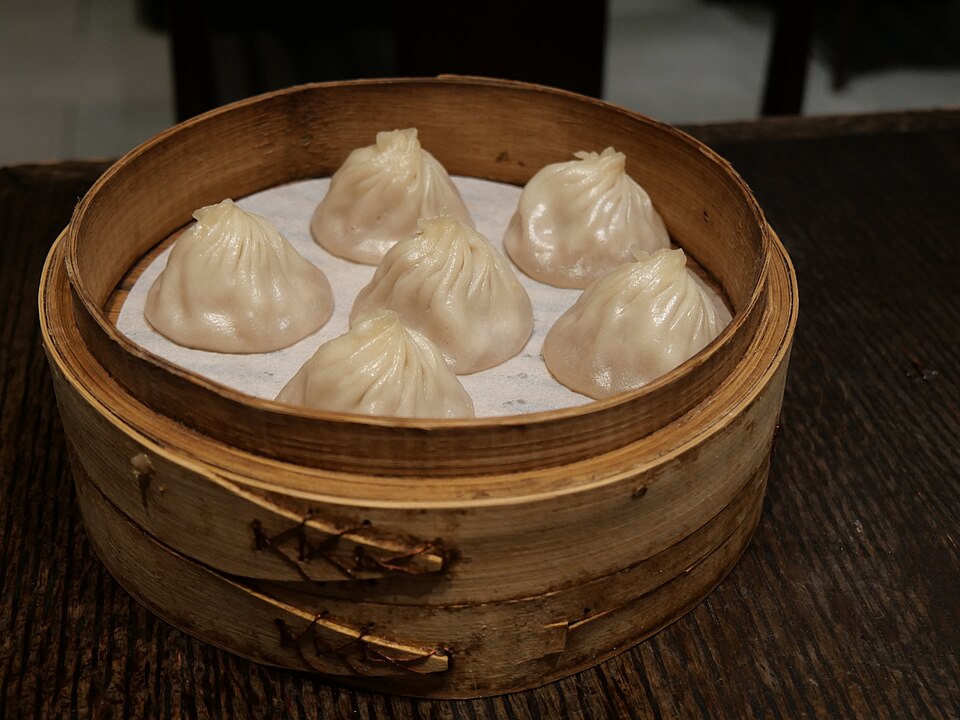 FoodLocal snacks and noodlesLook for pian'er chuan, noodles with preserved vegetables, plus small steamed buns and dried turnip from Xiaoshan. Wushan Square is the easy place to graze, with cheap food and decent quality.
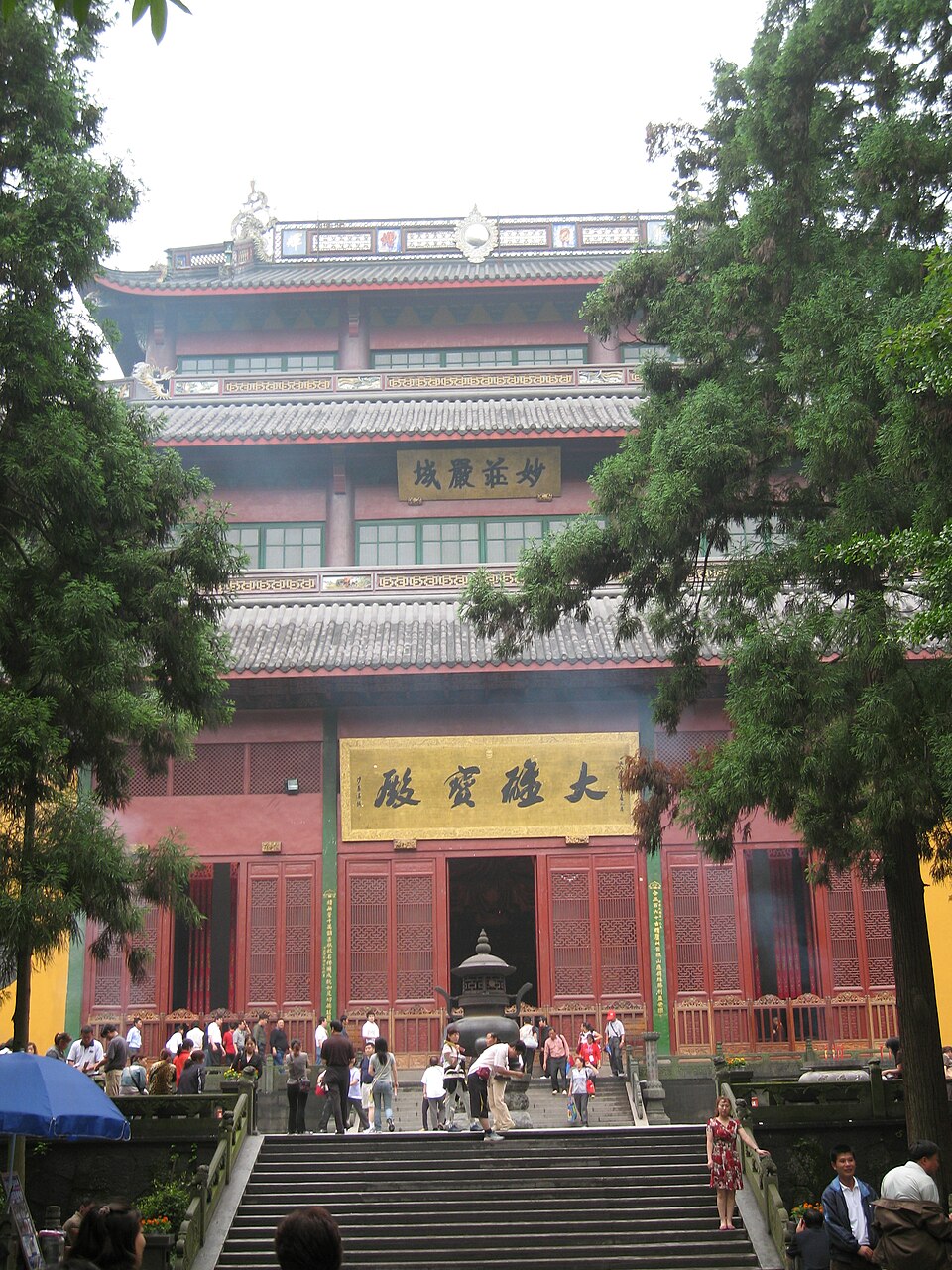 SightLingyin TempleAn active Buddhist temple at the foot of a hill west of the lake, founded in AD 326 and rebuilt many times since. Next door, hundreds of Buddhist figures are carved into the cliffs of Feilai Peak. It is busy with tourists, so for quiet, try the three Tianzhu temples nearby.4.7(21.1K)
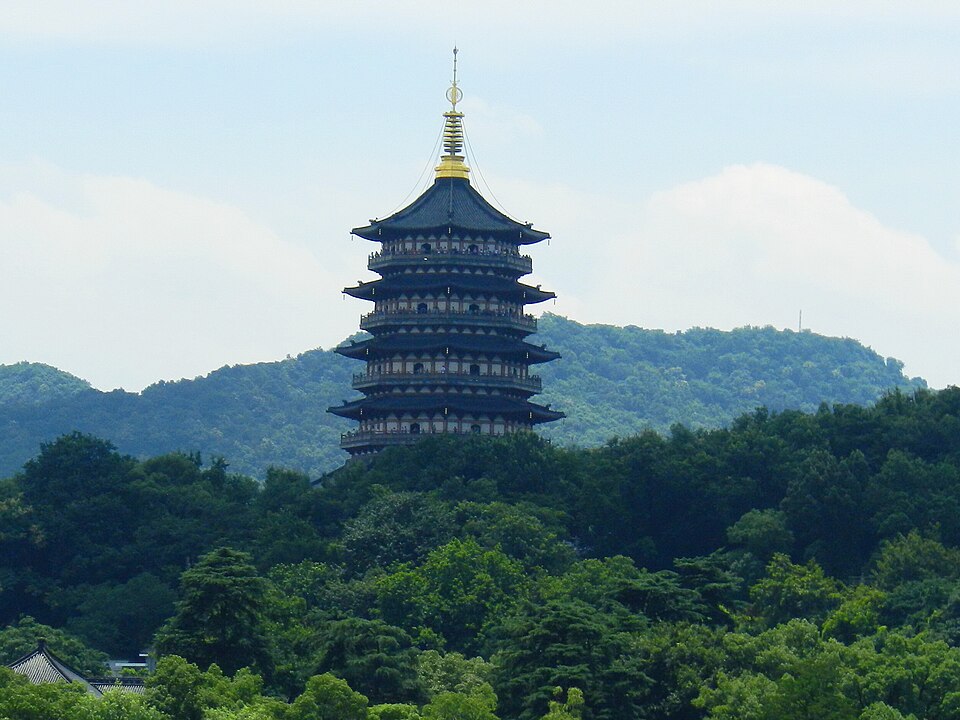 SightLeifeng PagodaThe pagoda you see today went up in 2000 over the remains of one dated to 977, and you can look at the old foundation on the ground floor. Inside there is little to see, but the skyline view is good. The classic way to see it is from across the lake just after sunset.4.5(9.1K)
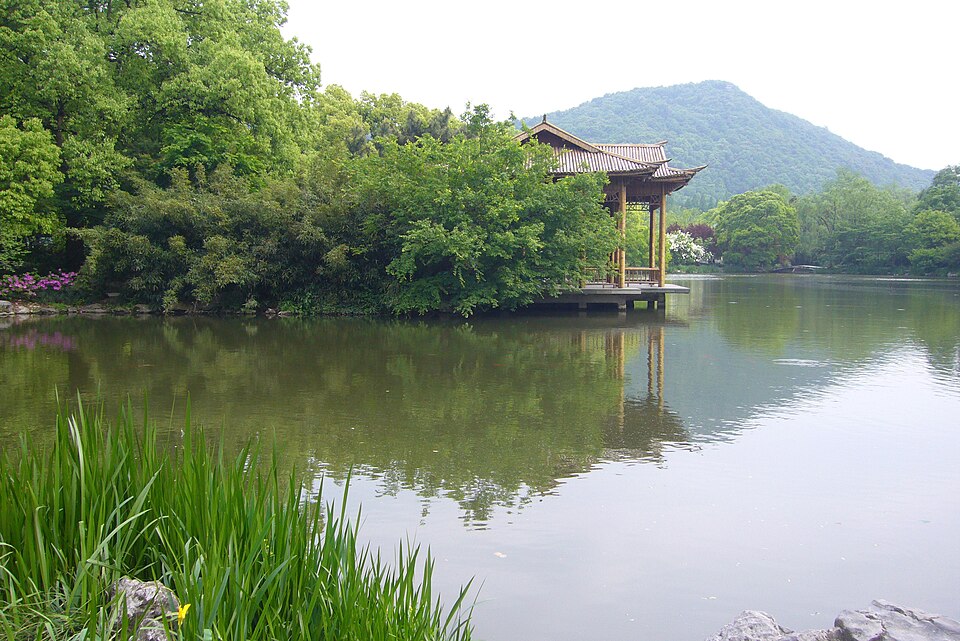 NatureXixi National Wetland ParkAbout 10 km2 of reed beds and fish ponds at the western edge of the city, set aside to protect the local wetland. It is good for birds. It is far from the lake, so allow time to get there.4.6(29.5K)
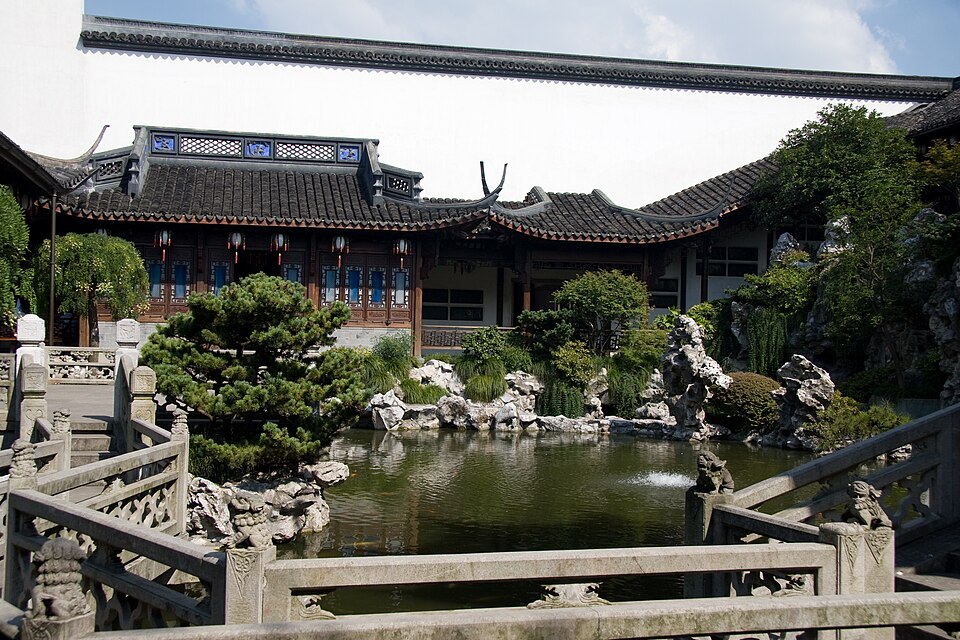 SightFormer Residence of Hu XueyanA merchant's mansion and Jiangnan-style garden dating from 1872. The traditional medicine museum linked to the same merchant is free.4.8(2.6K)
People lived here long before there was a city. About five thousand years ago the Liangzhu culture, which carved jade, settled the land around today's centre, and its ruins northwest of town are now a UNESCO site. The First Emperor of Qin made a county of the area in 222 BC. The city proper dates from AD 589, when the Sui made it the seat of Hang prefecture and gave it a wall, and by 609 the Grand Canal ran all the way to Hangzhou's door.
The lake as you walk it was shaped by officials. In the Tang, the poet Bai Juyi governed the city, rebuilt a collapsed dyke to end a drought, and planted willows along it. In the tenth century the Wuyue kings made Hangzhou a rich centre of Buddhist art, and five of them are buried in a memorial at the lake's south end. Jingci Temple, with its huge bell, dates from 954.
Su Shi, another poet-governor, put 200,000 workers on the lake in 1089 to build a causeway of dredged mud, 2.8 km long. Four decades later the city became the capital of the Southern Song. The dynasty had lost the north to the Jurchens, and it settled in Hangzhou for good, expanding the modest palace and the walls. Refugees poured in, and Arab and Persian merchants arrived by sea: a Persian settler built the Phoenix Mosque, and the building there now dates to the Yuan.
For long stretches between 1180 and 1358 this was probably the largest city on earth. Crowded wooden housing made it a tinderbox: fires in 1208, 1229, 1237 and 1275 wiped out whole districts, and the city answered with watchtowers, lantern signals and a force of over 3,000 soldiers whose job was to fight fires. The Mongols took Hangzhou in 1276 and spared it, and it stayed a commercial centre. Marco Polo, Odoric of Pordenone and, in 1345, Ibn Battuta all wrote about it, and Ibn Battuta called it bigger than any city he had seen.
The decline was slow. By the middle of the Ming the harbour had silted up, and trade and industry drifted north to Shanghai. In 1856 and again in 1860 the Taiping occupied the city and left it badly damaged. Japan held Hangzhou from 1937 to 1945, and the People's Liberation Army entered on 3 May 1949.
Since the reforms of 1978 the city has grown fast, and it is now the home of Alibaba. The company opened a new global headquarters in May 2024, built for 30,000 staff, and programmers from Shanghai and Beijing have moved in. The city hosted the G20 summit in 2016. You see the result in the new business district on the Qiantang's north shore, with its high-rises and modern architecture.
Hangzhou cooking is often taken as the example of Zhejiang cuisine, one of China's eight great regional styles. Locals judge a dish by whether it is fresh, tender, soft and smooth, with a mild fragrance. It leans sweet, and uses more pork and seafood than the beef and lamb of the north and west. River fish is a staple, and braised bamboo shoots and lotus root pudding are among the better-known local dishes.
Tea runs through the city's economy and culture. The tea villages south and west of the lake, such as Manjuelong, Longjing and Meijiawu, have tea houses where you can spend an afternoon watching the picking. They serve local food too, such as pickled vegetables and chicken broth. Often there is no menu, because the owner chooses for you, so agree on a price before you eat. For a calmer cup in town, Guo's Villa on the lakeshore has a lakeside teahouse and a small entry fee.
Locals speak a Wu dialect, which has about 1.2 to 1.5 million speakers and is not understood by Mandarin speakers. Most people are bilingual, and many residents are migrants who speak Mandarin, so Mandarin works almost everywhere. English is not widely spoken outside the better hotels, so have your destinations written in Chinese for taxis.
Theatres stage Yue opera and large shows about Song-dynasty life, and the China Academy of Art has its base in the city. It has the China National Silk Museum, the largest of its kind, and a national tea museum on Longjing Road. Silk, umbrellas and folding fans are the local crafts the city promotes.
Faith is mixed here. Lingyin is an active Buddhist temple, Baopu is a Taoist temple on Gem Hill, and the Phoenix Mosque in its present form dates to the Yuan dynasty. An 1848 account described the city as a stronghold of Islam in Zhejiang. A Catholic cathedral in the city goes back 400 years to the Ming, and Chongyi Church, dedicated in 2005, holds up to 7,000 people.
The hills start at the edge of the lake. Trails climb from Beishan Road past Baochu Pagoda and run on along the ridge, with tea houses, temples and caves on the way. The lake's gardens and parks make a good backdrop for a run, and the city holds a mountain race in the hills around October and a marathon in November.
Spring suits Hangzhou well. March is cool, with a high of 15.9 °C and a low of 7.6 °C, and wet. April reaches 22.1 °C by day and May 26.9 °C, which is warm without the summer swelter. The tea harvest runs from early March to after the May holiday, and the Botanical Garden is at its best in spring.
Summer is hard going. Hangzhou has long, very hot and humid summers, and June brings the plum rains: 258.2 mm of rain, the wettest month of the year. July averages a high of 34 °C and a low of 25.6 °C, and the record of 41.9 °C was set on 3 August 2024. Typhoons hit late in summer but seldom strike the city directly. The upside is lotus bloom at Quyuan Garden from late spring into summer.
Autumn is the other good window. October has a high of 23.6 °C and the driest weather of the year bar December, with 74.1 mm of rain, and November is cooler at 17.7 °C. The Botanical Garden has a short stretch of autumn colour. Winter is chilly, cloudy and drier: January averages a high of 8.6 °C and a low of 2.2 °C, with occasional snow. In a snowfall the Broken Bridge looks broken in the middle.
Aim for March to May, or October to November. Both avoid the June rains and the July heat, and spring adds the tea harvest. Winter is fine if you don't mind the cold.
Best months: Oct
The southeast shore has several of the lake's Ten Scenes. Leifeng Pagoda stands here, Jingci Temple is just off Nanshan Road, and the Su Causeway runs north from this side across the water. The Orioles park is at Qingbomen, and Flower Pond is the spot for watching fish. Three Pools Mirroring the Moon, on the largest island in the lake, is reached by boat. This is the place for a first day: a walk, a boat and a view at dusk.
The area west of the lake combines temples with a hill. Lingyin Temple and the cliff carvings at Feilai Peak are the draw, and Yue Fei Temple, built in 1221 on the northwest shore, honours a general who died by political persecution. The Botanical Garden is nearby, and has a peacock farm. Come early, because the temple gets crowded.
West of the water, the city gives way to tea villages, bamboo and valleys. Dreaming of the Tiger Spring has wooded paths, streams and tea houses, and Liuhe Pagoda stands by the Qiantang River, with a park of model pagodas next to it. Come here for tea, hiking and the Xixi wetland, which is farther out.
The north shore is where you climb. Baochu Pagoda sits on Baoshi Hill, and a trail from Beishan Road up the ridge takes about two hours. Baopu Taoist Temple is on the same hill. Broken Bridge has the classic view of the lake, and in snow it appears to break in the middle.
The Hubin parks lie between Hubin Road and the water, and each has a dock where you can hire a boat. They are good for an ice cream and a rest.
The Phoenix Mosque is one of the oldest in China, with a building 700 years old, and the Hu Xueyan mansion and its medicine museum are close by. Wushan Square and its hill have a view, a pagoda with a tea house on top, and cheap food. It suits a half day of walking.
This is new Hangzhou, near the Qiantang River. The business district has high-rises and modern architecture, and a mall with an Olympic-size ice rink and a bookshop with a sizable English section. It suits a rainy day.
Train, about an hour · about 60 min
Trade and industry shifted here when Hangzhou's harbour silted up. It is easy to reach for a day.
Bus or train, about two hours; buses leave several times an hour from the northeast bus station · about 2 h
A canal dredged in 610 links Suzhou to Hangzhou. Hangzhou's botanical garden is pitched as a stand-in for travellers who skip the trip.
Chun'an County; check current bus and rail times · worth a night
A reservoir finished in 1960, with a total of 1,078 islands, in Chun'an County within Hangzhou's boundary. It is divided into six tourist areas, so give it a night if you want more than one.
Bus 308, 139 or 618 to Liangzhu Archaeological Site Station
The site of a Neolithic jade culture that flourished from about 3400 to 2250 BCE, now a UNESCO site. A museum on the site lays out the old city and its water-control works. Go if you want to see the oldest layer under Hangzhou.
UK advice: No warnings
US advice: Level 2, exercise increased caution
Type A, C, I · 220 V
Bring an adapter unless your plugs are type A or C or I.
renminbi (CNY)€1 = 7.31 CNY · $1 = 6.67 CNY
Hangzhou Xiaoshan International AirportHGH
Traffic drives on the right.
SIM and eSIM: China Mobile, China Unicom, China Telecom
Country calling code +86.
Spoken officially: Putonghua








