
 Experience
 Nature





Foshan
Metro Line 1 to Xilang, then on into the Foshan Metro with no separate ticket. · about 60 min
Famous for its Ancestry Temple, and the home town of two kung fu legends, Wong Fei-hung and Ip Man.
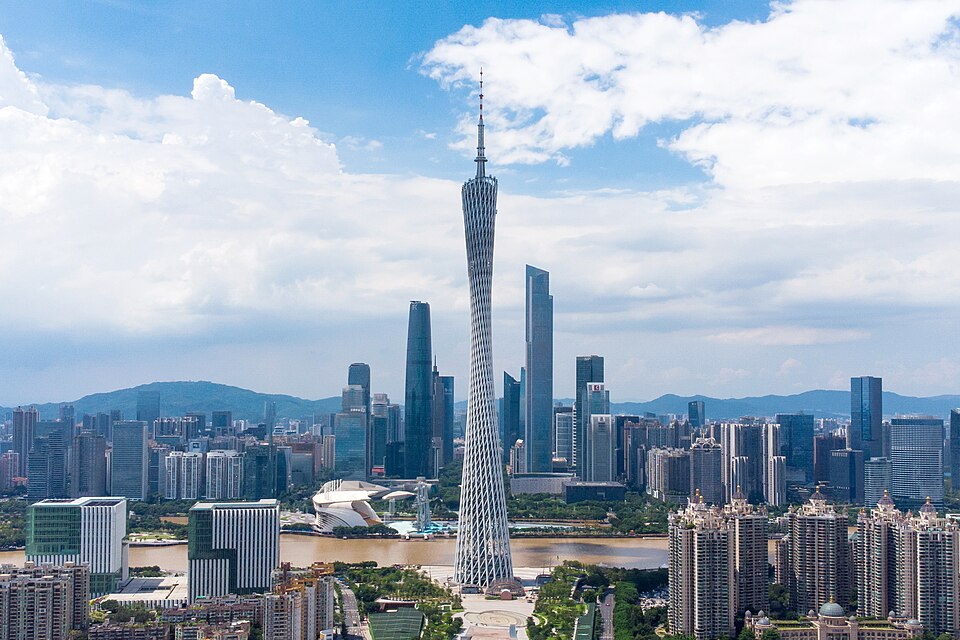
The story of the city
Guangzhou is the capital of Guangdong, a Cantonese-speaking city that has been an international trading centre for centuries and now holds 18.7 million people. Dim sum, long tea mornings and late-night eating are daily habits here. It suits people who like to walk old lanes, eat well and spend time in a Chinese city that is used to foreigners.
Liwan and Yuexiu are where the old city is. Baiyun Mountain takes an hour to an hour and a half to climb. Foshan is an hour away by metro, so it fits as a side trip.
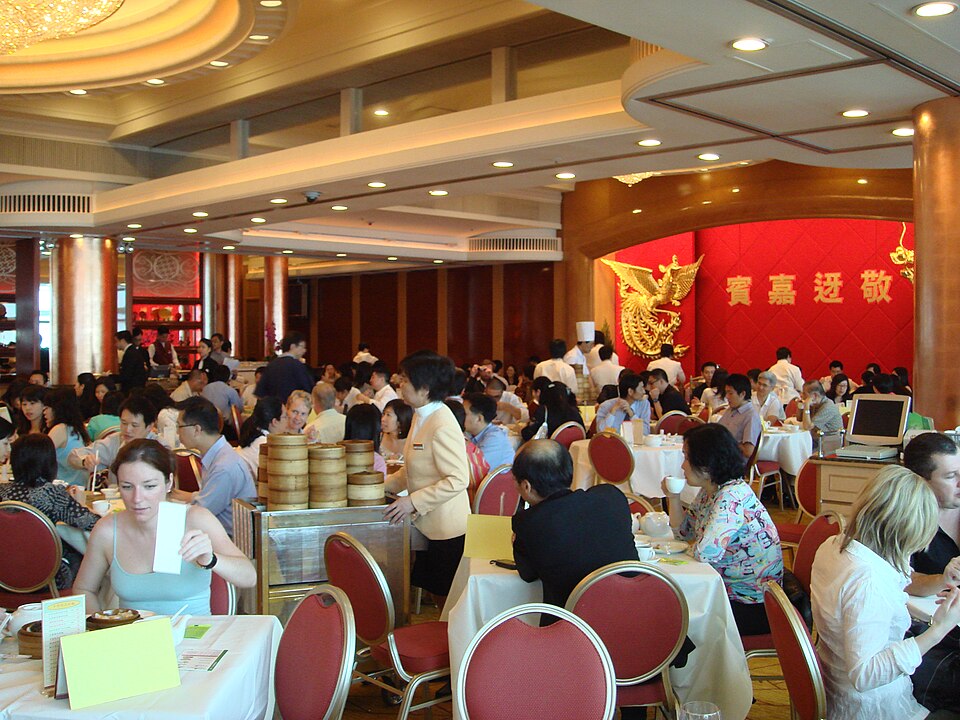 FoodYum cha and dim sumThe local ritual is a pot of tea and a couple of small dishes, then a long chat. When someone fills your cup, thank them by knocking two fingers on the tabletop. Many restaurants list well over a hundred kinds of dim sum.
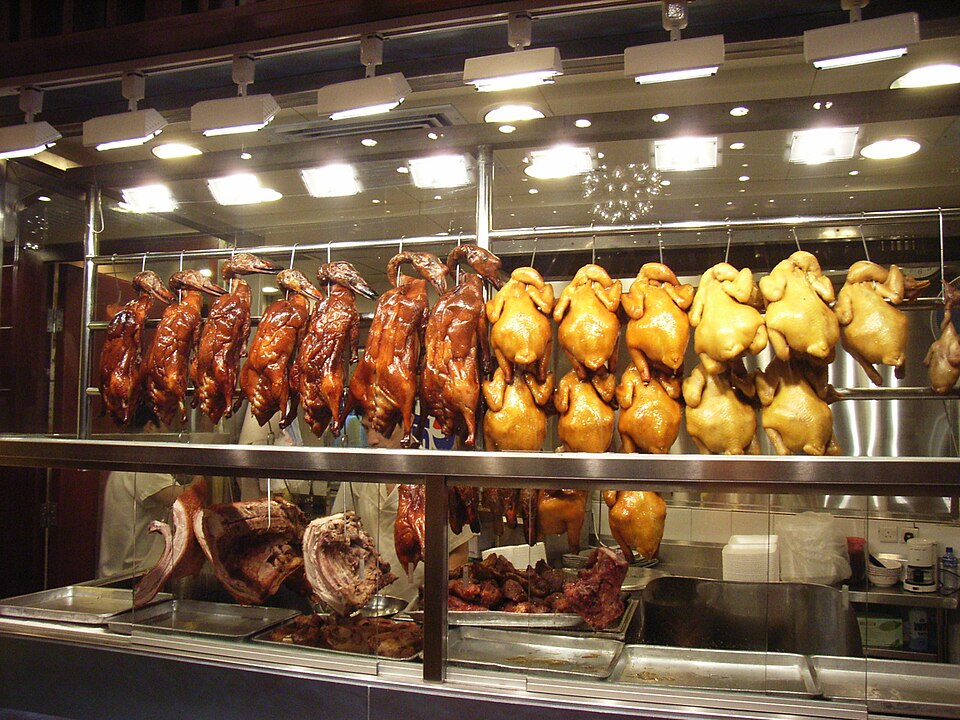 FoodSiu mei, Cantonese roast meatsSiu mei, the roast meats, are a staple in Cantonese restaurants. Barbecued pork, roast goose and roast pig are among them.
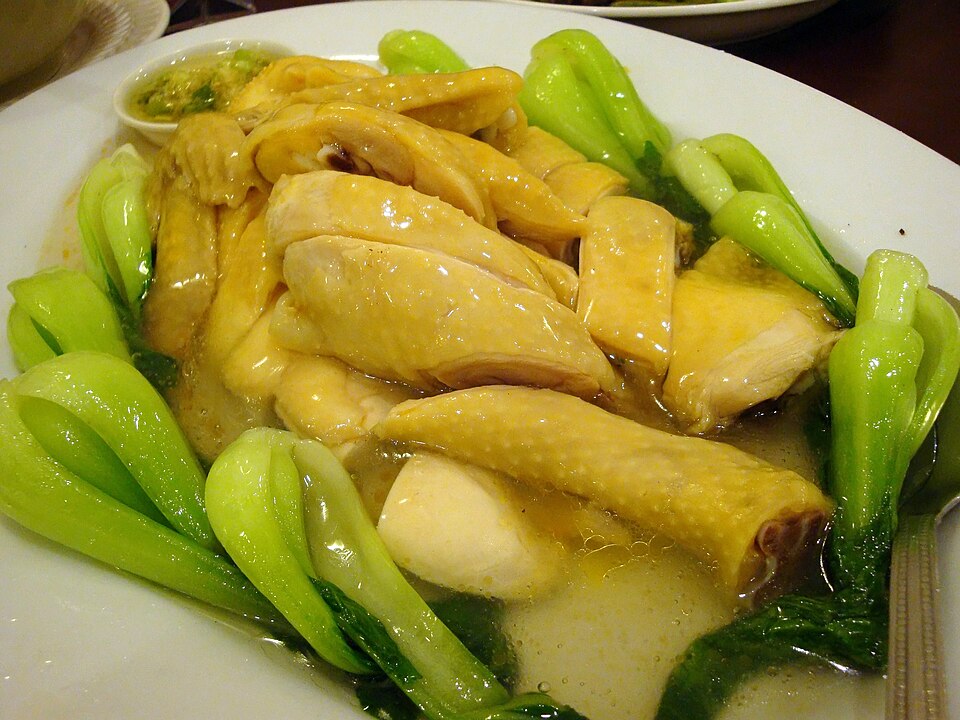 FoodWhite cut chickenThis chicken is lightly flavoured so you taste the meat itself, with a ginger and spring onion dip served alongside. Several restaurants have their own version, such as the Wenchang chicken at Guangzhou Restaurant.
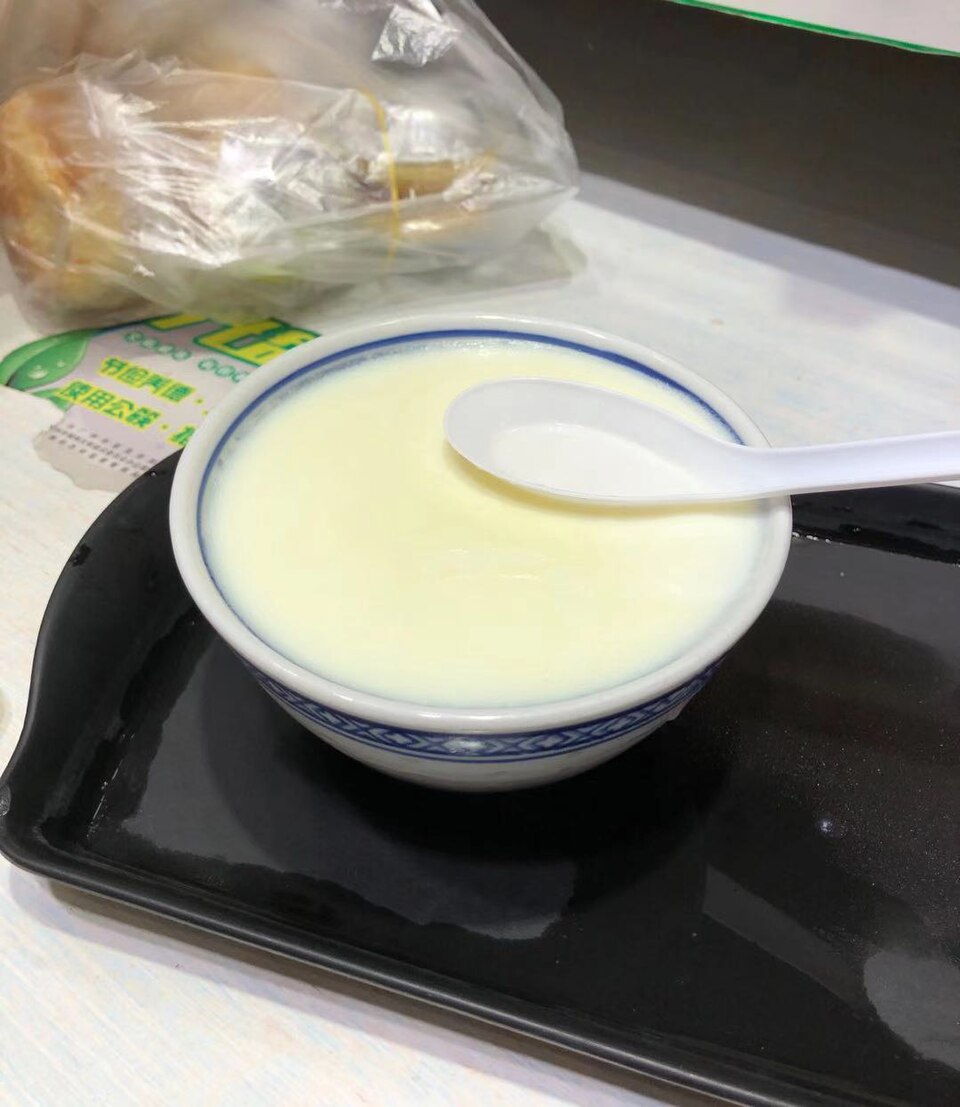 FoodDouble-skin milk and other dessertsTwo Guangzhou favourites: double layered milk, and ginger milk curd. In summer, try mango pomelo sago. Popular dessert shops are in Liwan and Yuexiu.
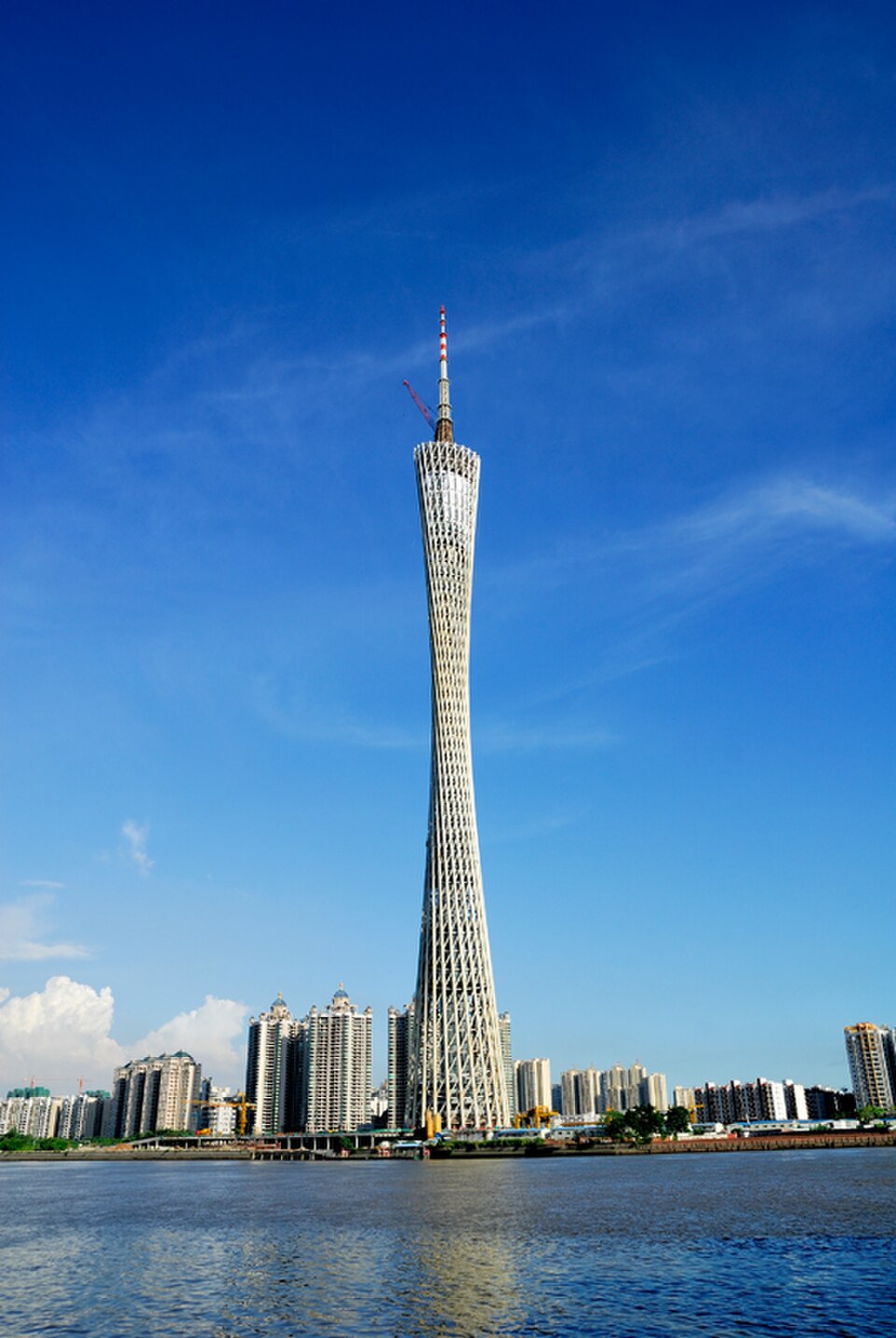 SightCanton TowerAt 604 metres, it opened for the 2010 Asian Games and held the record as the world's tallest tower for a short time. It stands in Haizhu district.4.6(50.3K)
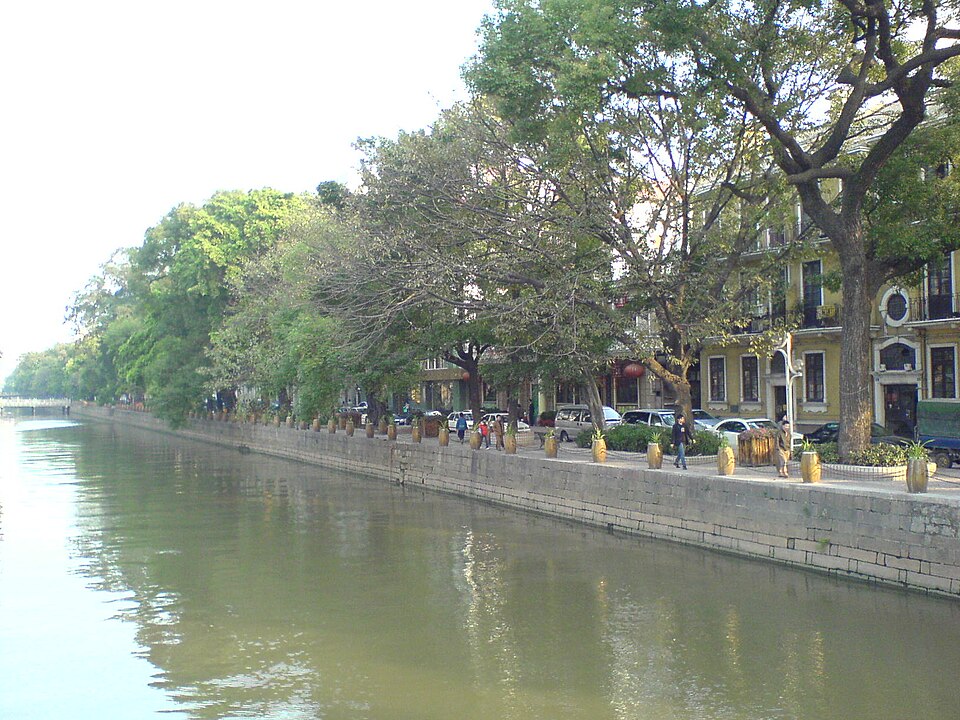 SightShamian IslandA small island in Liwan where Europeans lived in the 19th century. Its colonial buildings are restored and many hold cafes and restaurants. Walk or cycle it, but avoid peak holidays, when it fills up.4.4(364)
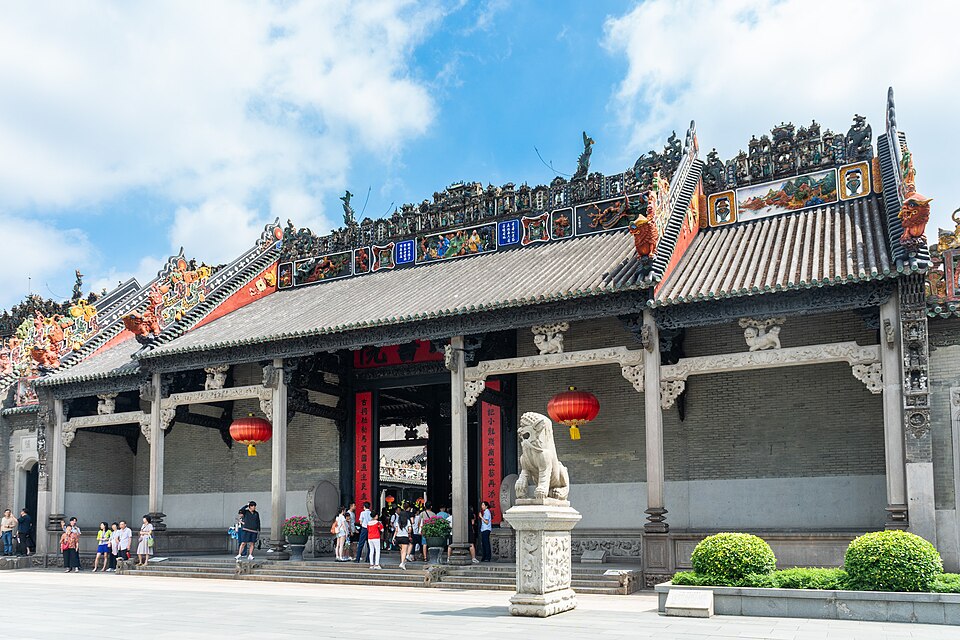 SightChen Clan AcademyA clan academy in Liwan, and a standard stop if you want to see traditional Cantonese architecture up close.4.5(1.6K)
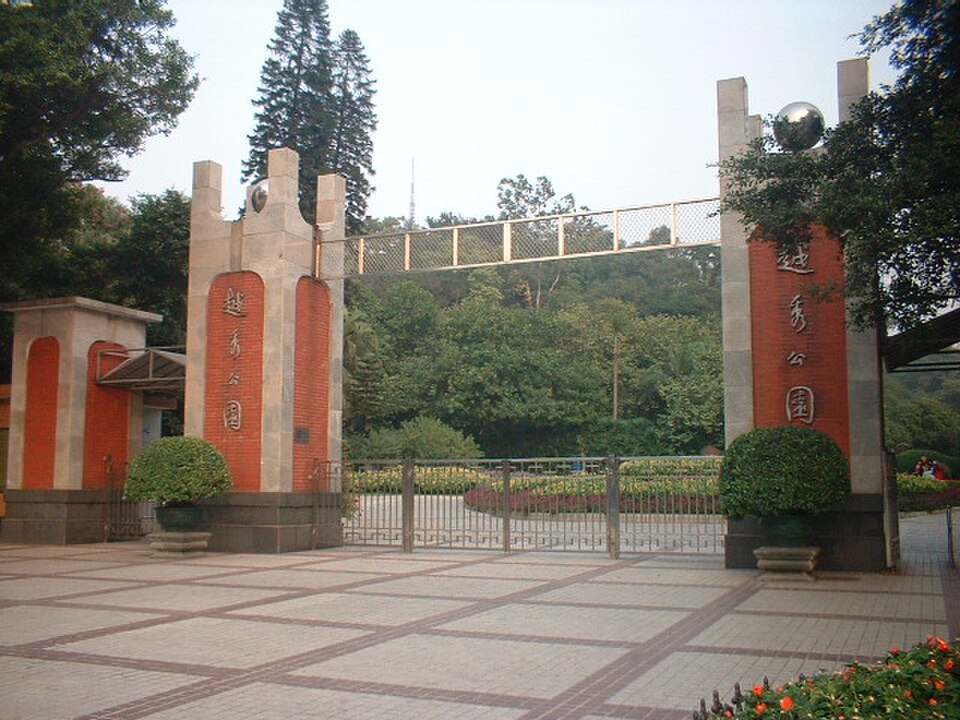 NatureYuexiu Park and the Five RamsThe Five Rams Statue stands here, tied to a legend of five celestial beings who rode rams down to Guangzhou, each carrying sheaves of rice. The Zhenhai Tower in the park holds the Guangzhou Museum. The park is big, so give it at least two hours.4.5(4.5K)
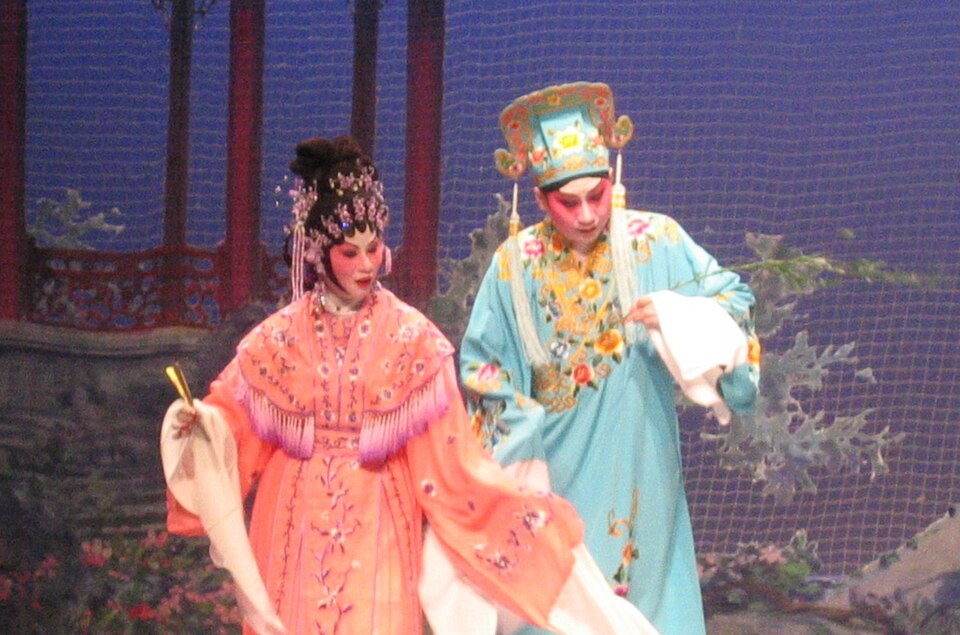 CraftCantonese operaThe region's own opera, split into martial and literary styles. It belongs to the whole of Guangdong, not only the city.
The city began as Panyu in 214 BC, on the river's east side. When the Qin empire fell, General Zhao Tuo made it the capital of his own kingdom, Nanyue, in 204 BC. Excavations turned up remains from as far away as Africa. Han armies took the city in 111 BC.
Guang Prefecture was set up here in AD 226, and Guangzhou takes its name from it. By the Tang dynasty it was an important port in the south, with direct routes to the Middle East. The Huaisheng Mosque dates to 627. The link had a violent side: pirates sacked the city in 758, and in 878 the rebel Huang Chao killed about 200,000 foreigners, including Jews, Christians and Parsis.
The British East India Company set up a post in 1711, and from 1757 foreign trade in China was allowed only at Guangzhou. The Thirteen Factories were the only legal place for it until 1842. Tea and porcelain were the main exports, and in the 19th century the city was at the centre of the tea trade between China and Europe.
The monopoly ended with the First Opium War. British forces took the city in March 1841, and the 1842 Treaty of Nanking opened four more ports. Shamian Island became the European settlement. Losing the trade eventually pushed Guangzhou towards industry. Clan wars between the Punti and Hakka from 1855 to 1867 killed one million people.
Guangzhou saw revolutionary attempts against the Qing, including uprisings in 1895 and 1911. The 72 men whose bodies were found after the second are honoured at Huanghuagang Park. Sun Yat-sen and the Nationalists used the city as a base between 1923 and 1926, and he founded the Whampoa Military Academy, which trained leaders on both the Nationalist and Communist sides. In 1924 the two parties joined forces, and Mao Zedong directed the Peasant Movement Training Institute for a term. Sun Yat-sen University was founded by him and is named after him.
Japan occupied Guangzhou at the end of 1938. When Communist forces took it on 14 October 1949, retreating Nationalists blew up the Haizhu Bridge. The Cultural Revolution then destroyed many temples, churches and other monuments. Many of the temples have been renovated since the 1980s.
The Canton Fair began in 1957. After Deng Xiaoping's reforms, investment came in from Hong Kong and overseas Cantonese communities. The British duo Wham played here in April 1985, a first for a Western pop act in China. The city's GDP has since passed Hong Kong's. In Zhujiang New Town, in Tianhe district, the result is a new business district of towering office buildings.
Cantonese cooks keep the natural flavour of the ingredients, and the food is generally not spicy. Soups are simmered for four hours or more. Cantonese people tend to eat absolutely anything, offal included. Chinese food in Western restaurants is usually Cantonese cooking, slightly adapted to Western tastes.
Yum cha is a long sitting, and a herbal tea chain called Wong Chun Loong has over a dozen branches. Away from the towers, older neighbourhoods keep a slower pace, with neighbours drinking tea outdoors. Many restaurants stay open until the early hours, and convenience stores on almost every corner open around the clock.
People here speak Cantonese, in several accents, the best known being Dongshan and Xiguan. Schools teach in Mandarin, so most younger people use both. In Liwan's old markets a few Cantonese words go a long way. English is more common than in most of China, but most people do not speak it. Guangzhou also has the largest African population in China.
Buddhism is the main religion, and the Guangxiao Temple site dates to AD 233. Southern Chinese families still honour ancestors at Qing Ming and Zhong Yuan. The Sacred Heart Cathedral, locally called the Stone House, is a Gothic Revival church built by hand between 1861 and 1888 under French direction.
Cantopop is the local pop sound, and it grew out of neighbouring Hong Kong. Cantonese opera belongs to the whole of Guangdong. In sport, football is the story of the 2010s: the local club took eight national titles from 2011 to 2019 and Asia's Champions League twice, in 2013 and 2015. The city also hosted the first FIFA Women's World Cup in 1991.
Go in autumn. October has highs of 29.3 °C, lows of 20.9 °C and only 67 mm of rain, and November is cooler and drier still, at 25.3 °C and 37 mm. April and May are also good months on paper, though the rain already climbs to nearly 200 mm in April and over 300 mm in May.
Summer is hot, wet and sticky. July highs reach 33.3 °C with lows of 25.8 °C, and June is the wettest month at 364.9 mm. Typhoon season runs from June to September. Humidity is high all year, and it makes the heat feel worse. Winter is mild: January averages 18.7 °C by day and 10.6 °C at night, so bring a light jacket.
Crowds and prices follow the Canton Fair. Each session lasts weeks, starting in mid-April and again in mid-October, and hotels fill up and cost more. That overlaps the best weather, so book early or aim for mid-November. Around Spring Festival some districts empty out as migrant workers go home, though the flower fair beforehand is worth seeing.
Best months: Feb, Nov–Dec
The old city, west of the former walls, in the Xiguan area. Traditional buildings are disappearing, but some survive around Yide Road and Zhongshan Road, and along Renmin Nan Road. Shamian Island and the Chen Clan Academy are here, and so are many dessert shops. It suits walkers who like markets and food stops, and a few Cantonese words help.
The other half of the old centre. It has Yuexiu Park, the Sun Yat-sen Memorial Hall and several popular temples. It is also where pubs and dance clubs cluster, especially around the Garden Hotel. Stay here for history by day and nightlife after dark.
A temple quarter. The Temple of the Six Banyan Trees is named after a poem by Su Shi, and has a Flower Pagoda. The Guangxiao Temple site goes back to AD 233.
The new business district, with office towers and newer cultural buildings. Big shopping malls are built here and in Yuexiu. Tianhe also has several craft beer bars. It suits people who want modern Guangzhou and a drink.
This part of Haizhu holds the Canton Fair complex and the Canton Tower. Hotels here fill during the fair, and the metro and hotel shuttles run to the fairground. Outside fair weeks, you mostly come for the tower and the river.
South of the centre. Chimelong's parks are here: a safari park and a roller coaster park. It is a day out, not a trip for old streets.
Metro Line 1 to Xilang, then on into the Foshan Metro with no separate ticket. · about 60 min
Famous for its Ancestry Temple, and the home town of two kung fu legends, Wong Fei-hung and Ip Man.
Bus from Fangcun Bus Station, about 2 hours. · about 2 h
Watchtower houses built by overseas Chinese in the early 20th century. Many overseas Chinese trace their roots to this region.
High-speed train, about an hour; allow time for the border. · about 60 min
Close enough for a day. You leave mainland China, so border queues apply, and if you plan to come back your visa must allow several entries.
High-speed train north, about an hour. · about 60 min
Go for the Danxia Mountains and a region with a large Yao minority.
It is a stop on most fast trains towards Shenzhen or Hong Kong.
Sits at the site of Opium War relics, in Dongguan.
High-speed train from Guangzhou South, about 45 minutes. · about 45 min
A special economic zone south of Guangzhou, bordering Macau.
High-speed train to Chaoshan, about 3 hours. · about 3 h · worth a night
Known for wood carving, city walls, a river bridge and parks. It is far enough that it deserves a night.
UK advice: No warnings
US advice: Level 2, exercise increased caution
Type A, C, I · 220 V
Bring an adapter unless your plugs are type A or C or I.
renminbi (CNY)€1 = 7.31 CNY · $1 = 6.67 CNY
Tipping: Not expected in restaurants, taxis or tours; a few yuan per bag for porters at luxury hotels
Guangzhou Baiyun International AirportCAN
Traffic drives on the right.
SIM and eSIM: China Mobile, China Unicom, China Telecom
Country calling code +86.
Spoken officially: Putonghua








