
 Food
 Craft
 Nature
 Experience





Zhoucheng
About 40 minutes from Dali by road · about 40 min
A Bai village and one of the main places tie-dye is made. It has old Bai houses and a small afternoon market.
The story of the city
Dali is a mountain-and-lake town in northwestern Yunnan, on a plain between the Cangshan range and Erhai Lake where Bai and Yi communities have long lived. You come for a walled old town, a ridge to hike, a lake to cycle round and Bai cooking, and you leave with tie-dye or a slab of marble. It suits slow travellers and walkers best. Much of the old town has been rebuilt and sells souvenirs, so the setting does more than the streets.
Two days covers the old town, the Three Pagodas and one Cangshan hike of 4 to 5 hours. Add a day if you want to cycle the lake villages, or more for the day trips.
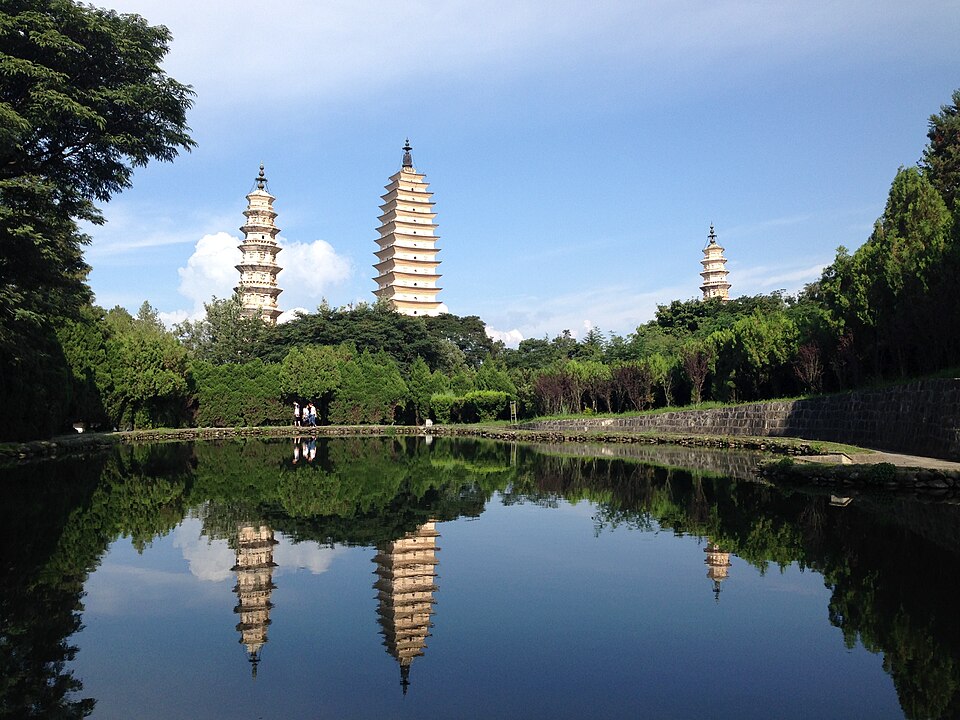
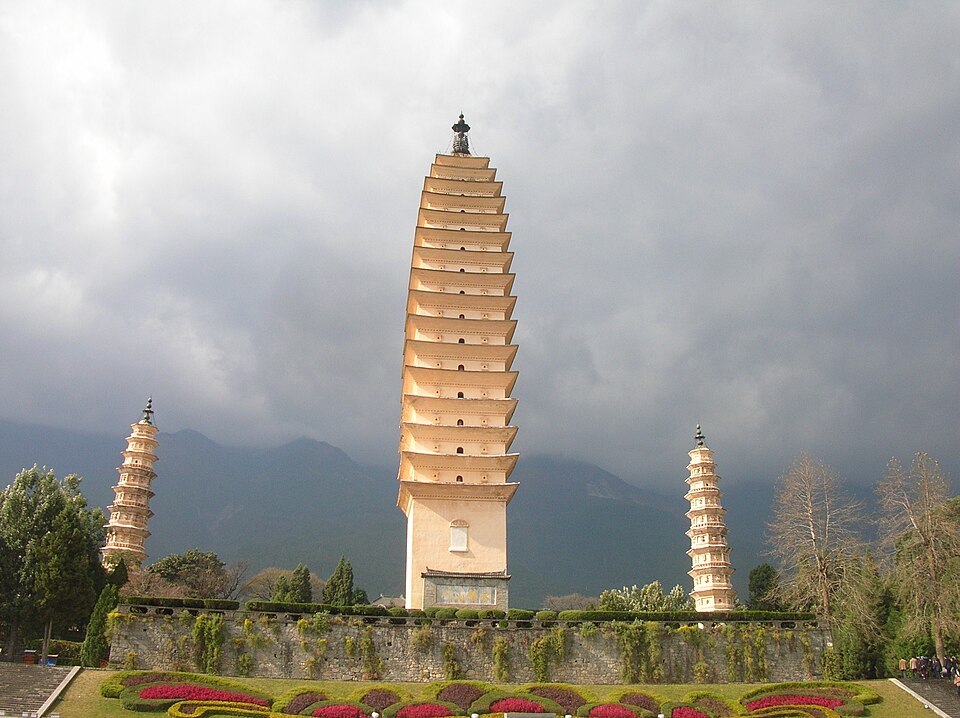 SightThree PagodasThree Tang dynasty towers about ten minutes by bike northwest of the old town. The central one is almost 1,200 years old, from the time when Dali was a Buddhist kingdom. The temple compound behind them was wrecked by earthquake and the Cultural Revolution and rebuilt from 1986, so go for the towers and the pond that mirrors them. Skip the paid buggy up the compound: everything sits in a line from the entrance.4.7(14K)
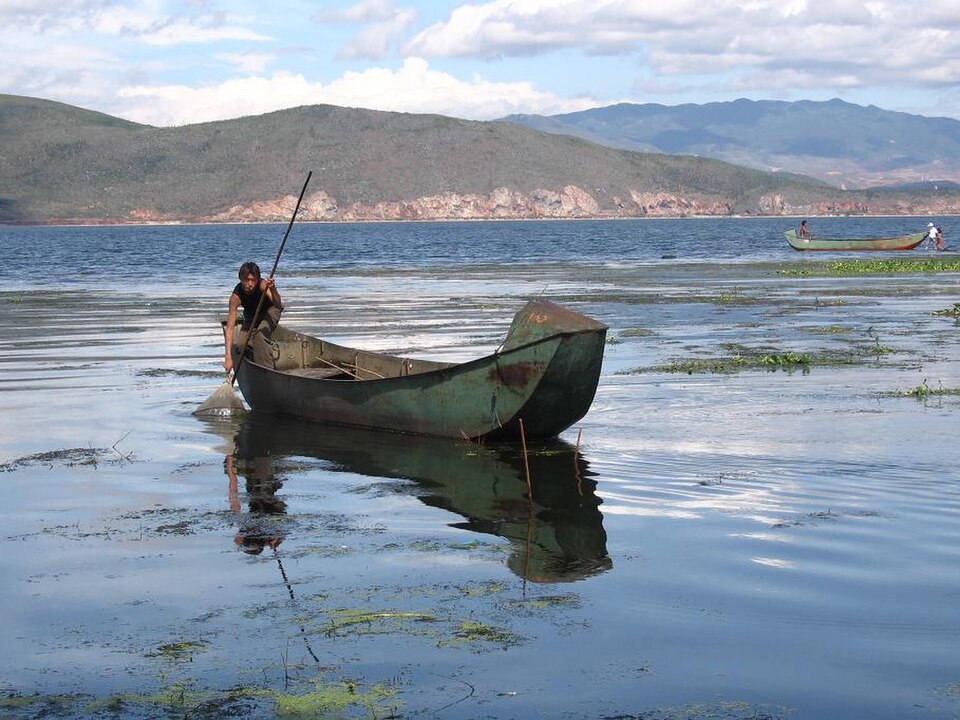 NatureErhai LakeThe big lake east of the old town, with 17 villages along its western shore and a banyan tree in each village square. The easiest way to meet it is by bike: ride east to Caicun, then turn north along the shore on local paths. There are Qing dynasty bridges on the way. Boats and ferries run to the islands.4.6(8.2K)
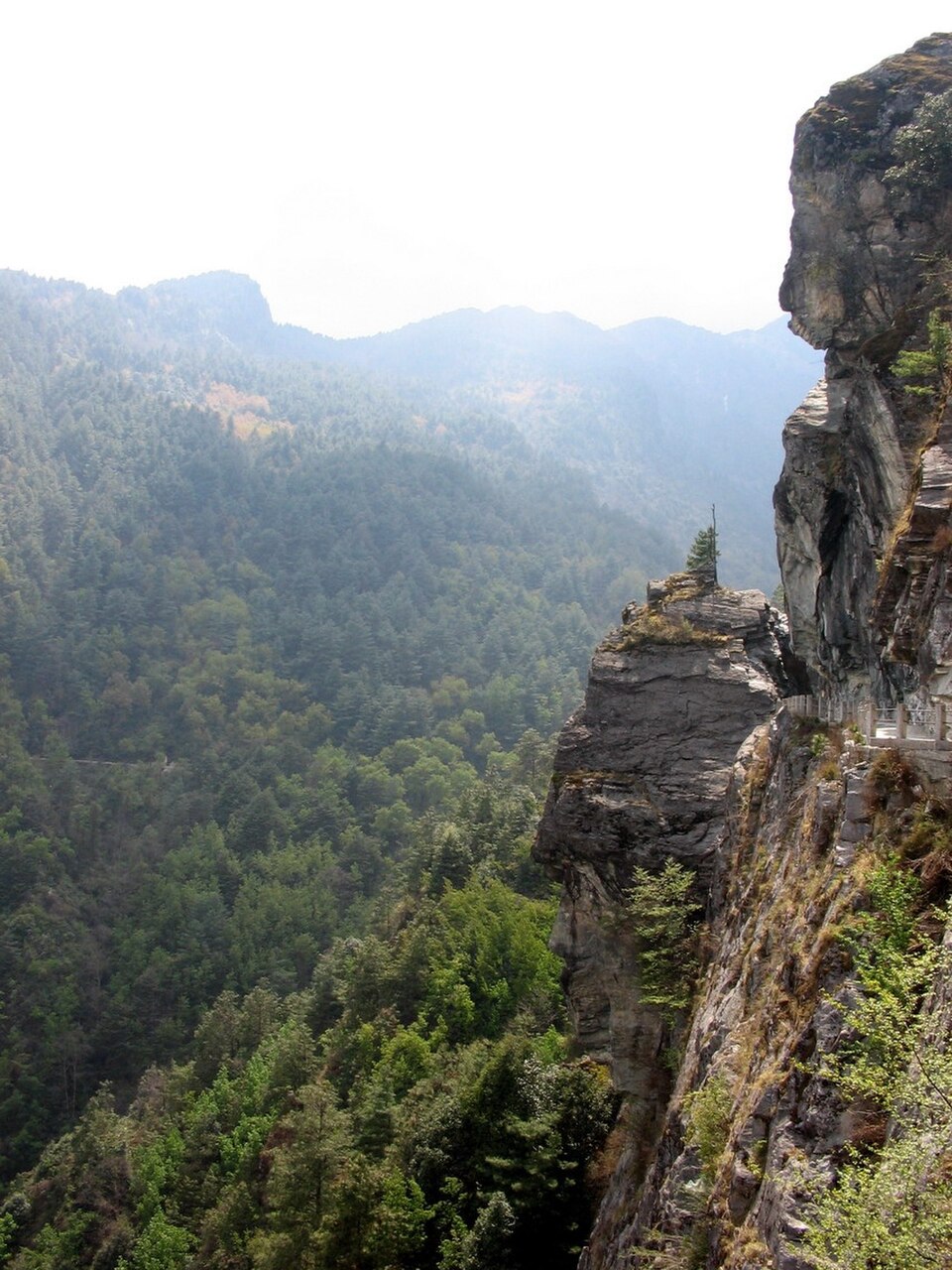 NatureCangshan and the Cloud Traveler's PathThe mountain wall behind the old town. A trail called the Cloud Traveler's Path runs along it, and the southern route drops 11 km to Gantong Temple. The northern route has one of the sharpest cliff views over the valley. The cable car is the expensive way up, so walking is the cheaper plan. If you plan to ride the cable car down from Gantong Temple, get there before 16:30.4.5(7.5K)
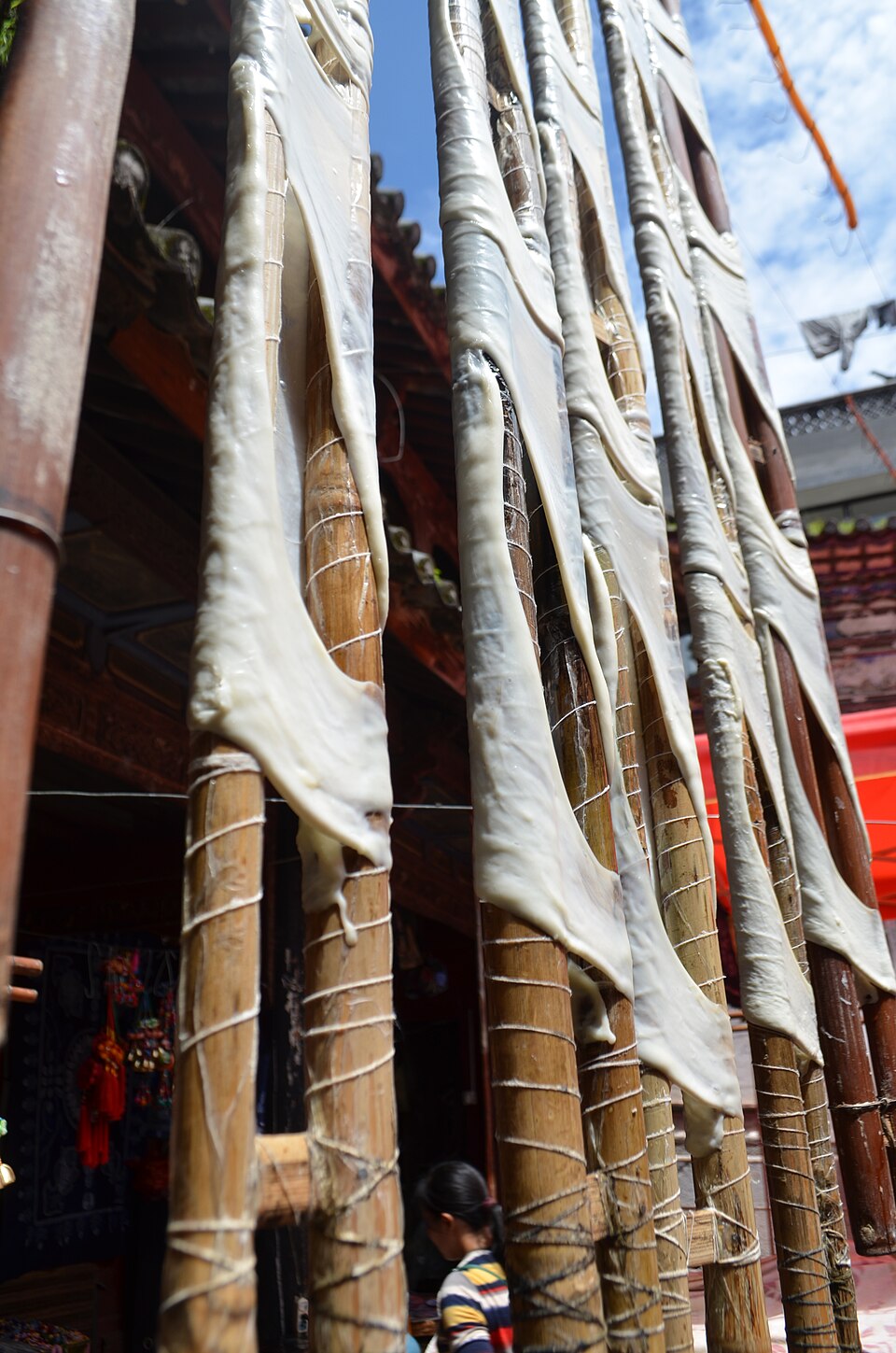 FoodRushanA crisp fried cheese, often wound round bamboo skewers. Bai cooks have eaten cheese for a long time, which is unusual in China. Look for it in restaurants and at some street stalls, and expect it in the sweet middle course of a Bai tea ceremony too.
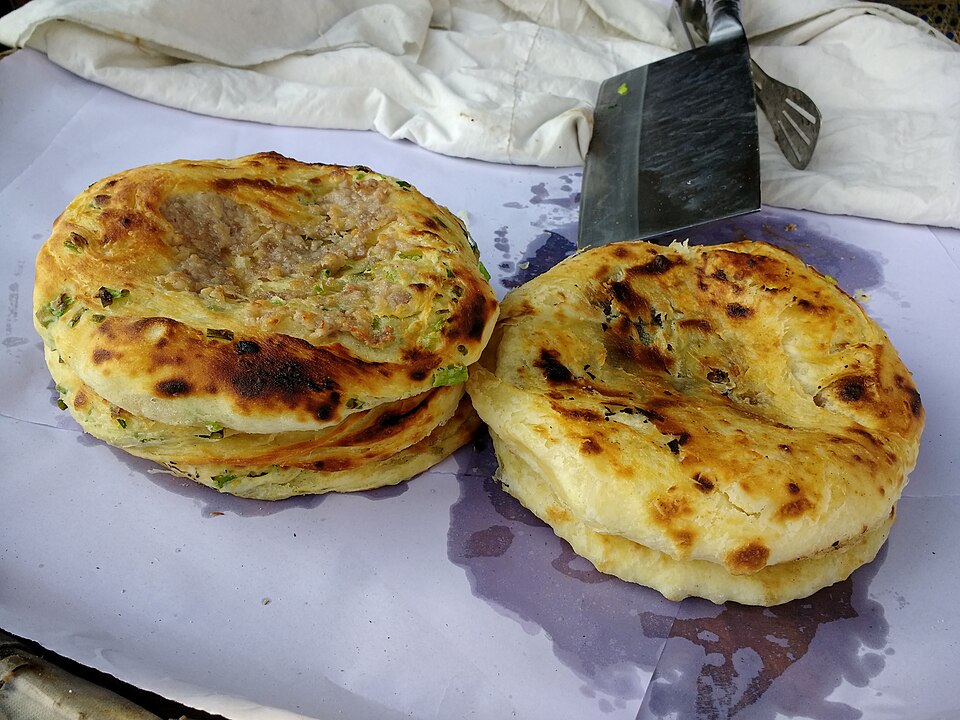 FoodBaba, the Xizhou pancakeA thick, flaky, slightly chewy pastry, and the dish Xizhou is known for, a village north of the old town. You can have it sweet or savoury. Eat it there if you go that way, and try one of each.
The story starts with kingdoms. Nanzhao was founded in 738, first at Weishan and then at sites around Erhai, and it held much of Yunnan and northern Burma for almost 200 years. After a few decades of chaos, Duan Siping founded the Kingdom of Dali in 937. His Duan clan ruled for about 300 years, kept a close alliance with the Song and helped carry Buddhism into the rest of China. By the year 1000 Dali ranked among the 13 biggest cities on earth. The Three Pagodas come from that Buddhist age.
Then came the Mongols. Kublai Khan's army took the kingdom in 1253, razed the capital and palace just south of the Three Pagodas and burned the records, so little is known about either kingdom. Many Bai were forced out, some as far east as Hunan. The Duan name survived anyway: many local people still carry it, which is rare in the rest of China. A stele for the conquest stands on a stone tortoise at the foot of the mountain, on Sanyue Street west of the old town.
The town you walk through now is a Ming rebuild, laid out toward the end of the 1300s under the Hongwu Emperor. It never regained the old importance, and Kunming, the provincial capital, took over as the centre of Yunnan. Not all of the wall survived. You can still see long mounds where it stood, and a stretch remains beside the north and south gates. The gates and walls you can climb today were largely built new.
From 1856 the town was the base of Du Wenxiu and his Panthay Rebellion. It began as a rising by the Hui Muslim minority against local rulers and grew into open revolt against the Qing. The Qing put it down with brutality, and Yunnan lost hundreds of thousands of its Muslims. You can still eat Dali Muslim food in the old town, at a small eatery on Yu'er Road.
A massive earthquake hit in 1925 and left severe damage. Rail and then air links opened Dali to tourists in the 20th century, and it is now an official tourist city, ranked with nearby Lijiang among the most popular towns. Since July 2018 a high-speed train runs to Kunming, with one an hour. To protect the old town, industry is kept to newer districts such as Xiaguan, and new buildings must follow the traditional style, with tiled roofs and white-washed walls.
Today Dali is a working city of about 650,000, and much of the local economy runs on tourism. The old town is one of two places called Dali. The other is Xiaguan, 10 km south, the modern centre with 20-storey towers, a Wal-Mart and the train station. The two are far apart, and the old town is what most guidebooks mean.
Dali is the seat of the Dali Bai Autonomous Prefecture, and the Bai are the local people. Their language belongs to the Sino-Tibetan family and is related to Chinese and Tibetan. It has no everyday writing system, so signs and menus are in Chinese. Mandarin is spoken by all, so you can get by without a word of Bai.
Bai taste runs to sour, cold and spicy. Bai restaurants are everywhere, and thickest in the north of the old town. The menu can surprise you: an underwater plant, a tree fungus called tree flower and another called bark, both bitter. For a gentler start, order cross-the-bridge noodles. The waiter brings a bowl of hot broth, then drops in the rice noodles and small plates of other foods at once. Buddhist-run vegetarian buffets are another cheap meal.
Religion here is layered. The Dali Kingdom was the first Buddhist state in Yunnan outside the Tibetan areas, and most Bai follow a local form of Buddhism. Many also worship local gods and ancestors in a native tradition called Benzhuism. A local god can be a Nanzhao prince, a folk hero or even a tiger.
The Bai welcome guests with a three-course tea. It is bitter first, then sweet, then a spiced finish you taste long after. The second cup is brewed with walnut and brown sugar. You will meet it at festivals and weddings. Dali's teahouses also welcome a regular: buy a little tea now and then and you are welcome back, often for free.
Dali has also been a backpacker stop for a long time, one of a string of towns on the Yunnan tourist trail leading up to Tiger Leaping Gorge. The old town's Boai Road and Renmin Road have western cafes, bakeries and foreign-run bars. Cafe de Jack is described as the oldest western cafe in town, and Bad Monkey as the longest-running foreign bar.
Dali sits high enough to take the edge off subtropical heat. Winters are short, mild and dry. January days reach about 16 °C, though nights fall to around 3 °C and frost is possible. In summer, daytime highs sit near 25 °C and most days bring some rain. Most of the year's rain falls between June and October, and August is the wettest month at 220 mm.
Spring and late autumn are the best times to come. April averages 23 °C by day, 11 °C at night and 28 mm of rain. November reaches 19 °C with 25 mm. From May the rain climbs to 83 mm, then 131 mm in June and 157 to 220 mm a month from July to September, so plan hikes outside those months. October is a gamble at 92 mm.
December is the driest month at 11 mm, and cold at night, so pack a layer. Bring a hat in any season: at this altitude the sun is strong.
Best months: Apr–May
The Dali in most guidebooks, 10 km north of Xiaguan on the plain below the Cangshan. It is squeezed between two multi-lane highways and heavily rebuilt, so go for the setting, not for age. Walk the city wall from the South Gate for a view over the roofs. The municipal museum is in the old headquarters of Du Wenxiu, with courtyard buildings and a stele forest, and it is free. Boai Road and Renmin Road have the cafes and bars, and the northern half has the Bai restaurants.
The modern centre of Dali City, sitting where the lake drains into the Yangbi River. Most long-distance transport ends here. The Dali Bai Prefecture Museum is the reason to visit: it has an extensive collection, with about half the signs in English, set around a traditional garden. It is free but needs ID. Erhai Park, at the lake's southern end, is the port for sightseeing cruises.
A small fishing village on the northeast shore before 2012. Many old buildings survive, but since 2012 tourism has overtaken most of the village, and the coast is now built up with tourist estates. Expect lots of restaurants, not village life. Yuji Island is reached over a bridge, and Nanzhao Island by ferry.
About 20 km north of the old town, and a break from its tourist streets. It has almost 200 listed private houses from the Qing dynasty, and its builders worked as far away as Vietnam and Myanmar. Most houses are lived in, so knock and ask before you enter. The Yan family estate is open as a museum, but it is the more commercial option, and ordinary family homes are the better look.
Caicun is where the cycle ride from the old town meets the lake. From there local paths run north through a string of villages, 17 in all between Xiaguan and Xizhou. It is the place to see village squares, banyan trees and Qing bridges rather than sights. On the eastern shore, Wase has a weekly market for townspeople and farmers.
About 40 minutes from Dali by road · about 40 min
A Bai village and one of the main places tie-dye is made. It has old Bai houses and a small afternoon market.
Monday only: long-distance bus from the old town's West Gate
A weekly market about 30 km north where farmers come out in force and horses are traded. There is little to buy unless you farm, so go to watch.
Bus from Dali toward Lijiang; direct buses run on from Shaxi to Lijiang
A well-kept town on the Old Southern Silk Road, midway on the bus route from Dali to Lijiang. Ming and Qing houses, bridges, theatres and temples lie scattered across its valley. Shibaoshan's grottos are reached from here.
Bus from Xiaguan's Eastern Bus Station to Binchuan, then a minibus or bus · about 3 h · worth a night
A mountain whose ridges look like a chicken's foot, east of the lake. Its top and slopes are covered in temples, some in disrepair and some restored with resident monks. The summit is at 3,200 metres and the hike is hard. A horse ride or a cable car from halfway up are the easier options.
Hourly bus from the Highway 214 junction near the North Gate market, ¥13
A small town next to Cibihu lake. The usual bus stop is 3 km uphill from the lake, and few motorbikes go there, so expect to walk back out too.
UK advice: No warnings
US advice: Level 2, exercise increased caution
Type A, C, I · 220 V
Bring an adapter unless your plugs are type A or C or I.
renminbi (CNY)€1 = 7.31 CNY · $1 = 6.67 CNY
Tipping: Tipping isn't expected: taxis, cafés and small inns won't look for one; tour guides are the exception
Dali Fengyi AirportDLU
Traffic drives on the right.
SIM and eSIM: China Mobile, China Unicom, China Telecom
Country calling code +86.
Spoken officially: Putonghua








