People lived on this plain more than 4,000 years ago, and digs at Sanxingdui and Jinsha show a bronze working culture that the later Chinese called Shu. Around the 4th century BC a Shu king, Kaiming, moved his capital to the site of today's city. A tenth century geography explains the name Chengdu as a saying about settlements: one year a town, two a city, three a metropolis. Most modern scholars doubt that story, and the name's origin is still unclear.
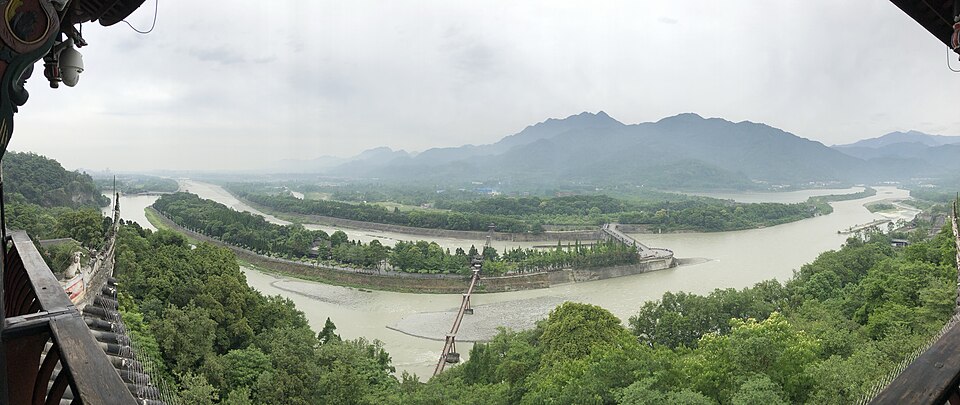
Qin armies took Shu in 316 BC, within a few months, and Chengdu became the seat of a Qin county. In 311 BC the general Zhang Yi built a city wall on the model of the Qin capital. The governor Li Bing arrived in 256 BC and oversaw the Dujiangyan waterworks. Within decades the plain was known as the Land of Abundance, and you can still see that water system today.
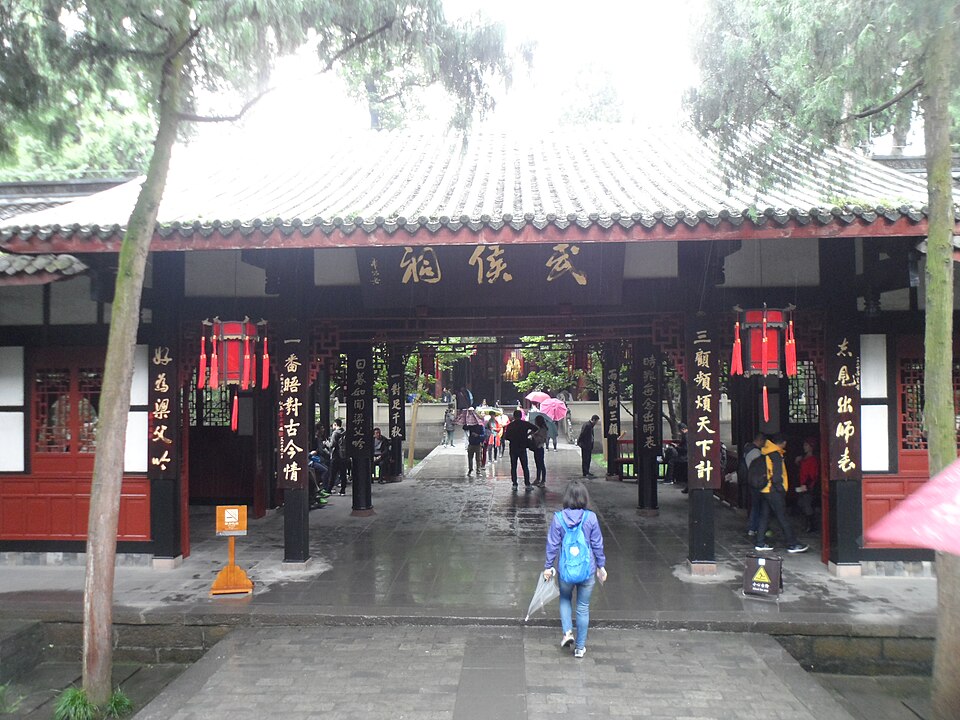
Under the Han, Chengdu wove brocade that sold across the country, and the court appointed an official just to oversee it. The city counted around 354,000 people, among the most populous of its day. When the Han fell, Liu Bei ruled the Shu Han state of the Three Kingdoms from here. His minister Zhuge Liang is the man the Wuhou Shrine honours.
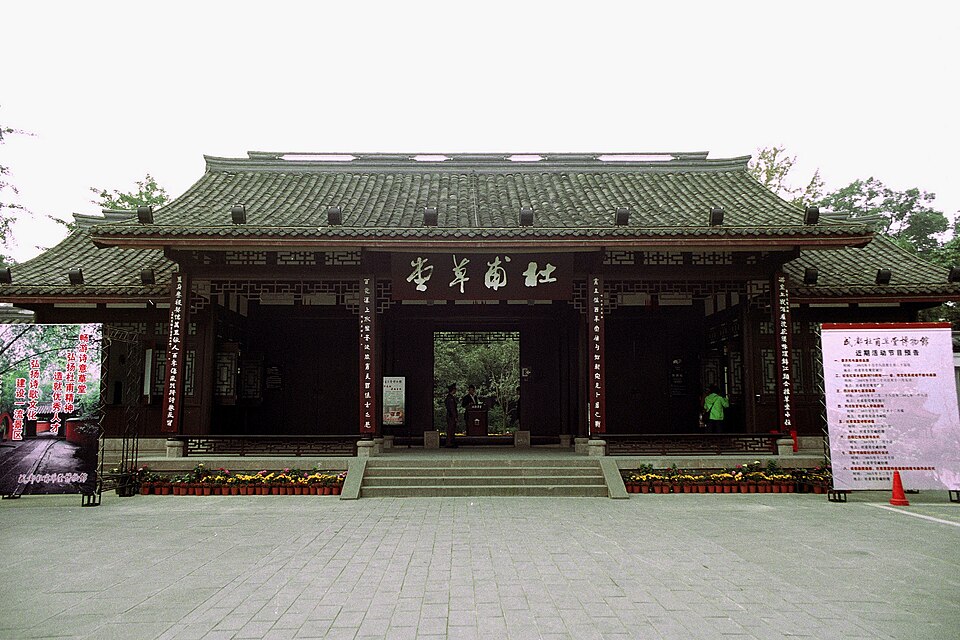
By the Tang dynasty only Yangzhou was thought to be more prosperous. Li Bai and Du Fu both lived here, and Du Fu spent four years in the city. A hall was raised in his honour in 1078. The Song took the city in 965, and under them paper money came into wide use for the first time anywhere.
The next centuries were hard on the city. The Mongol conquest after the fall of the Song was followed by deportations. Then came the rebel Zhang Xianzhong, who set up a Great Western Kingdom here that lasted only from 1643 to 1646. By the end, Chengdu was said to be a near ghost town, and millions of settlers from other provinces were brought in during the Qing dynasty to refill Sichuan. Kuanzhai, the Qing lanes for Manchu soldiers, comes from that rebuilt city.
In 1911 a protest in Chengdu over the railways helped spark the uprising that toppled the Qing. When Japan invaded, the Nationalist government retreated to Sichuan, and the businesspeople, workers and academics who came with it founded industries and cultural institutions that still matter to the city. American B-29 bombers flew from an airfield at Xinjin in 1944. In December 1949 Chengdu was the last major mainland city held by the Nationalists, and the People's Liberation Army took it without a fight.
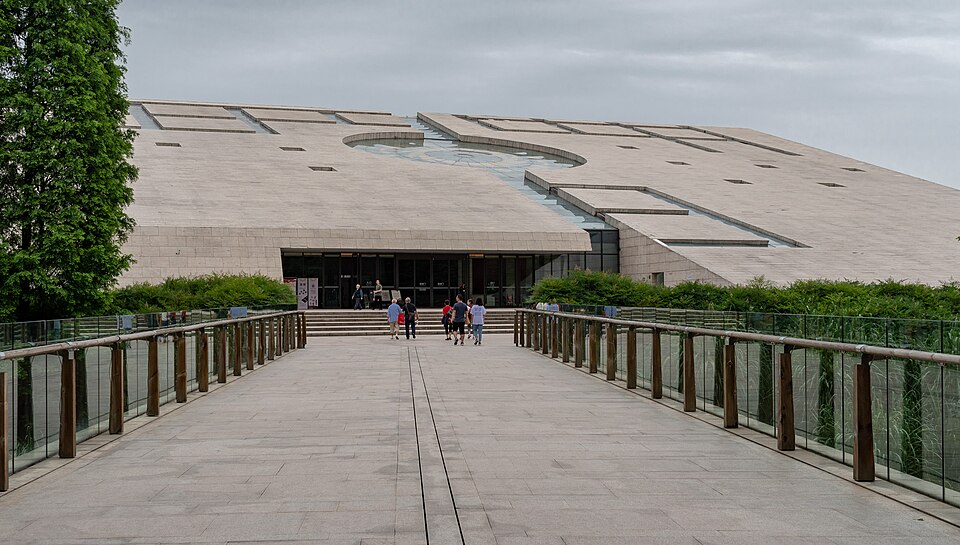
Under the People's Republic, railways linked Chengdu to Chongqing in 1952 and later to Kunming and Tibet, and the 1960s made it a hub for the defence industry. Today the city has 20.9 million people on the 2020 census, two international airports, and a UNESCO listing as a city of gastronomy since 2011. In 2023 it hosted the Summer World University Games, and in 2025 the World Games. The skyline holds the New Century Global Center, a mall and hotel complex that ranks third among buildings anywhere for floor space as of 2026.



 Sight
 Craft













