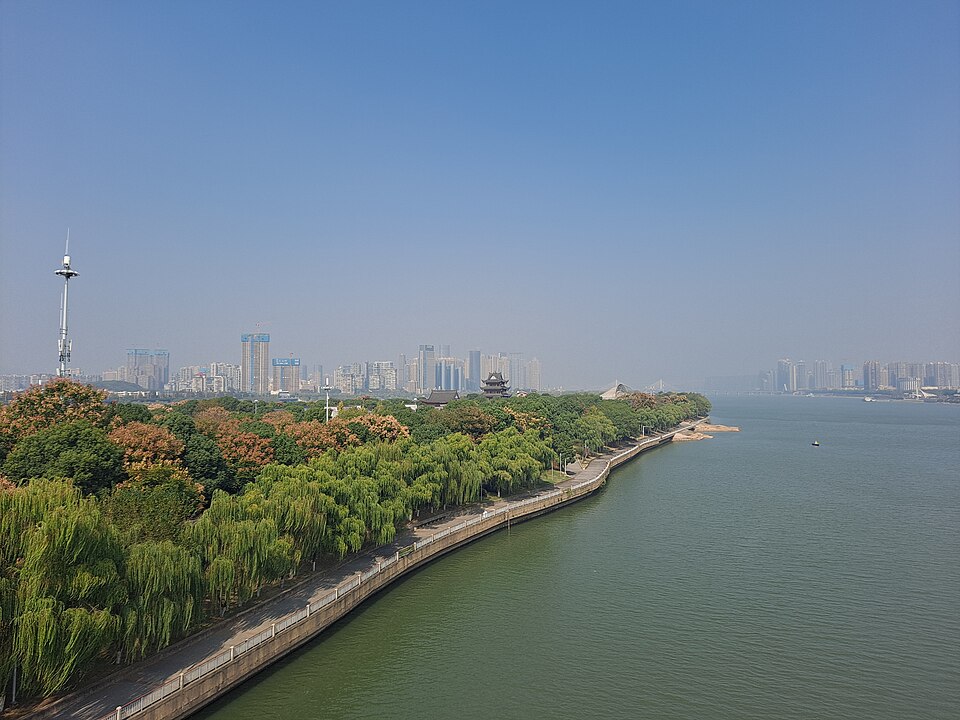
People were farming rice here long before there was a city. Relics at Nantuo Datang, dated to 7,100 years ago, show it. The name Changsha means "long sandy place" and appears as early as the 11th century BC. In Han times the local principality named its capital Linxiang, meaning a place overlooking the Xiang River.
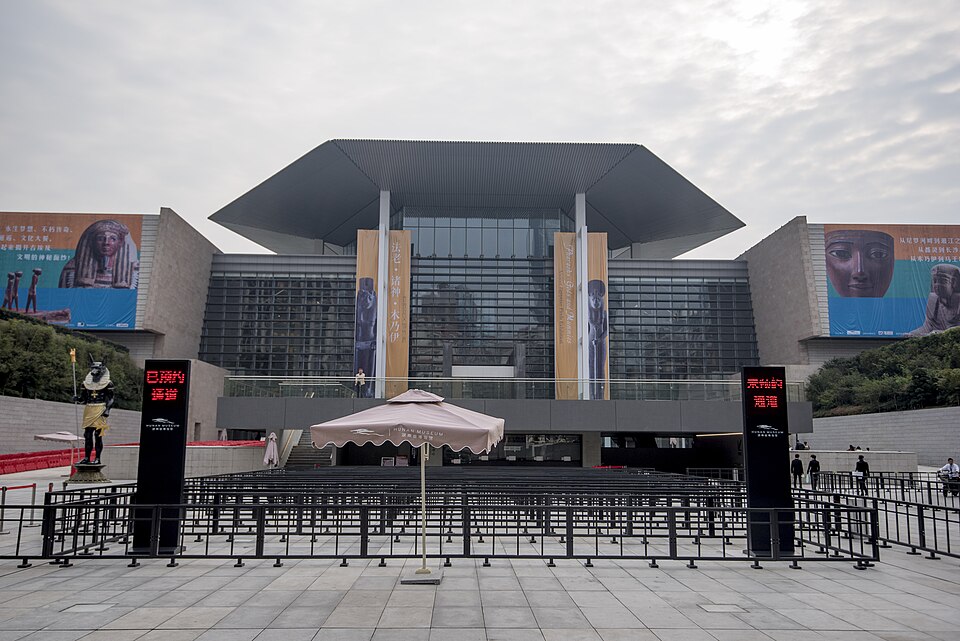
The Han kingdom of Changsha left the city its best-known find. At Mawangdui, the tomb of Lady Dai held silk banners and classical texts, and her body was so well kept that scientists could carry out an autopsy. Her diet was poor and she died of heart disease. Everything from the site is now in the Hunan Museum.
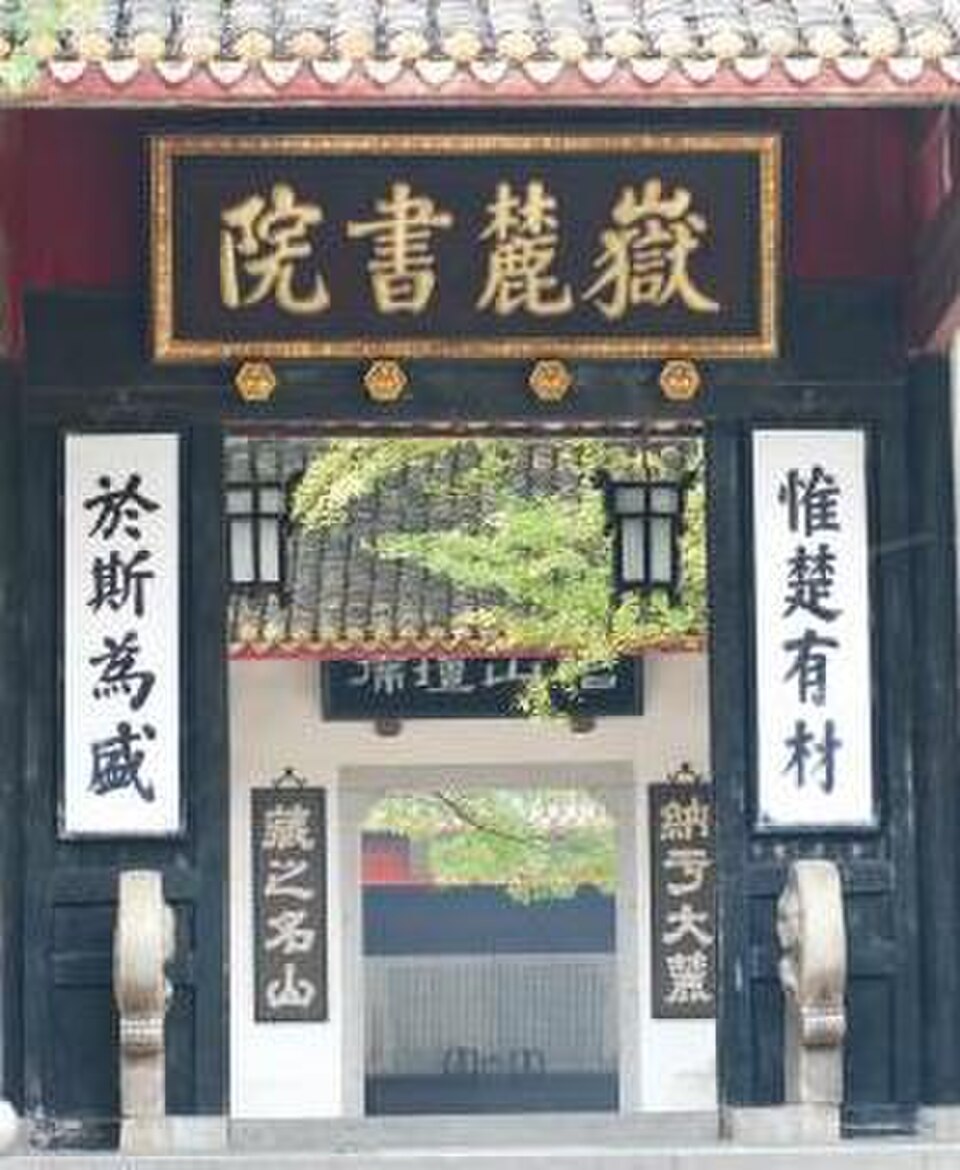
Under the Tang, Changsha's Tongguan kilns invented underglaze painted porcelain, and the poets Du Fu and Li Bai are recorded as officials or settlers here. In 927 Ma Yin made the city the capital of his Chu kingdom. Learning followed: in 976 the Yuelu Academy opened at the foot of Yuelu Mountain, and the Song count it among the four best academies in the country.
By the late Qing, Changsha was one of China's chief rice markets, and in 1904 it opened to foreign trade. A college started by Yale alumni became the Xiangya medical centre and the Yali School. A railway to Hankou opened in 1918 and was extended to Guangzhou in 1936. The city also bred revolutionaries: Huang Xing and Tan Sitong worked here.
Mao was a student at a Changsha teacher-training school from 1913 to 1918, and returned in 1920 to teach, later as principal. The old Hunan Communist Party office where he lived is now a museum, with his rooms and photographs from the 1920s. Chiang's troops then spent three weeks killing over ten thousand people in the city and its outskirts.
The Second Sino-Japanese War did the most damage. In November 1938 Nationalist commanders ordered a fire, wrongly afraid that Japanese troops were about to take the city. Most scenic spots, historical sites and buildings inside the city were lost. The first three Japanese attacks were repulsed under Xue Yue, and the city fell in 1944, for about a year.
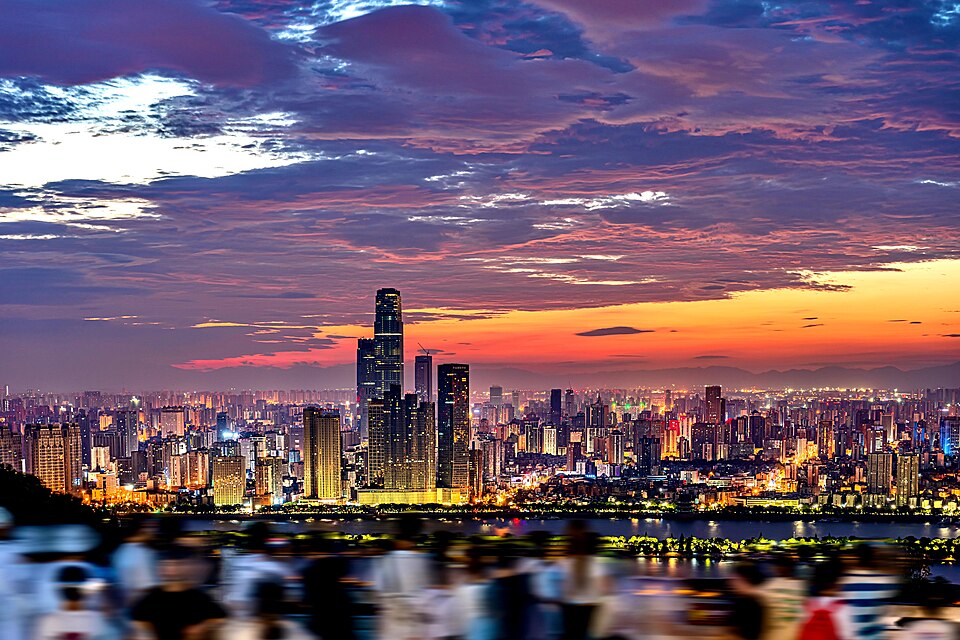
In the 2000s Changsha grew faster than any other major Chinese city. It is called the construction machinery capital of the world, and it is the home of Hunan Broadcasting, the maker of Super Girl. In 2015 Xiangjiang New Area was set up, the earliest of its national rank in the central region.

 Nature
 Food
 Experience
 Experience













